1
/
13
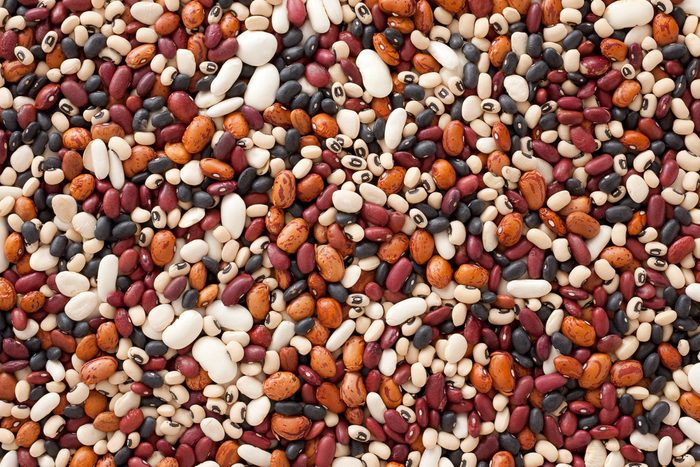
1. Dried Beans (Lentils, Black Beans, Chickpeas)
Dried beans are a cost-effective and highly nutritious addition to any pantry. Nutricianist Brittain notes that they are packed with protein, fiber, and iron, making them a versatile, plant-based choice that promotes heart health and provides long-lasting energy.
Shelf Life: Two to three years (or longer if vacuum-sealed)
Storage Tips: Store in airtight containers in a cool, dry environment.
Use In Meals: Soups, stews, grain bowls, salads, veggie burgers
2
/
13
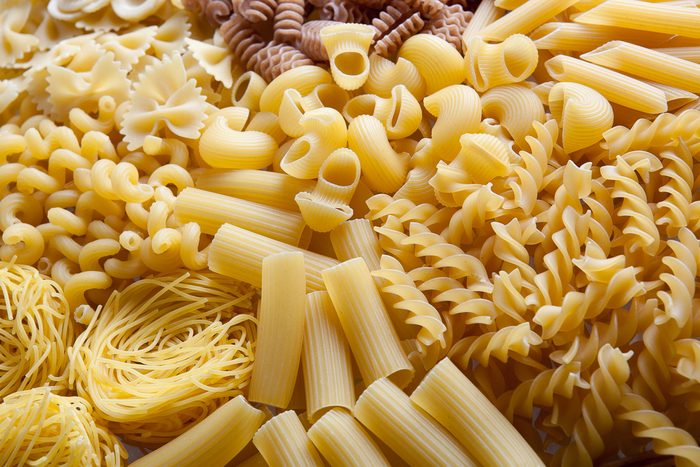
2. Dried Pasta
Pasta is a beloved pantry staple that offers both comfort and utility. According to nutritionist Czerwony, it’s an excellent source of complex carbohydrates that aids in digestion, controls blood sugar levels, helps in weight management, and lowers cholesterol. Many varieties are also fortified with essential B vitamins, benefiting cellular energy and immune function.
Shelf Life: Up to two years
Storage Tips: Keep in its original packaging, stored in a cool, dark area away from moisture.
Use In Meals: Pasta salads, casseroles, quick weeknight dinners
3
/
13
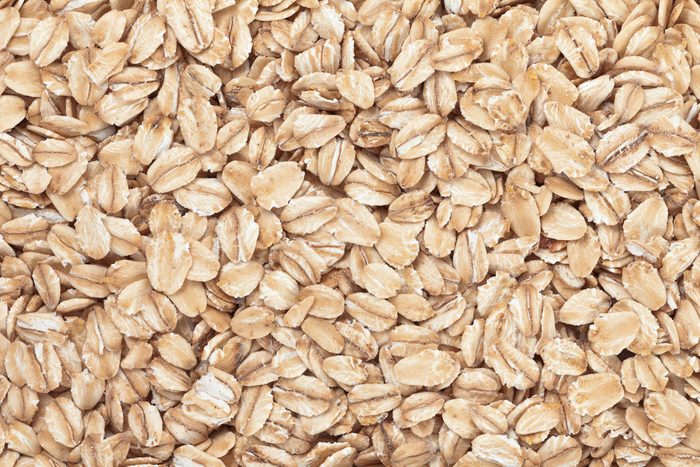
3. Rolled Oats
Oats are a well-regarded non-perishable food with numerous health advantages. According to Brittain, oats provide soluble fiber that assists in regulating cholesterol and blood sugar. They are also a slow-digesting carbohydrate that promotes a feeling of fullness and provides sustained energy levels.
Shelf Life: One to two years
Storage Tips: Store in a sealed container, protected from heat and humidity.
Use In Meals: Overnight oats, baked goods, homemade granola
4
/
13
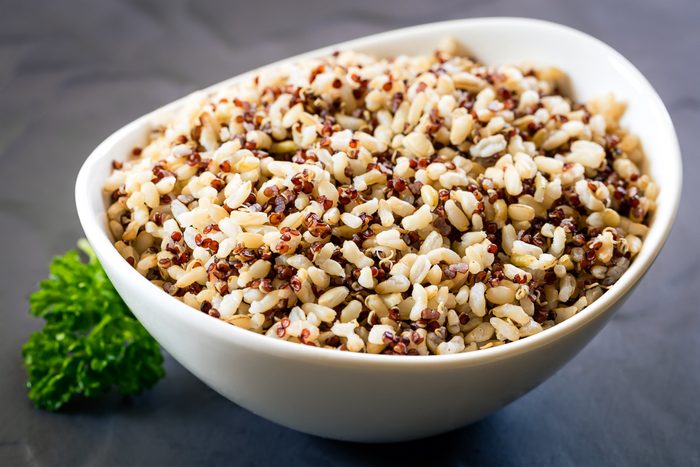
4. Brown Rice or Quinoa
Whole grains like brown rice and quinoa are essential pantry items rich in nutrients. Brittain explains that they are abundant in fiber, B vitamins, and vital minerals. Notably, quinoa serves as a complete protein, containing all nine essential amino acids, making it particularly suitable for those following plant-based diets.
Shelf Life: Brown rice: Six months to one year; quinoa: longer with proper storage
Storage Tips: Use an airtight container in a cool, dark area; refrigerating or freezing can extend freshness.
Use In Meals: Grain bowls, stir-fries, stuffed vegetables, pilafs
5
/
13
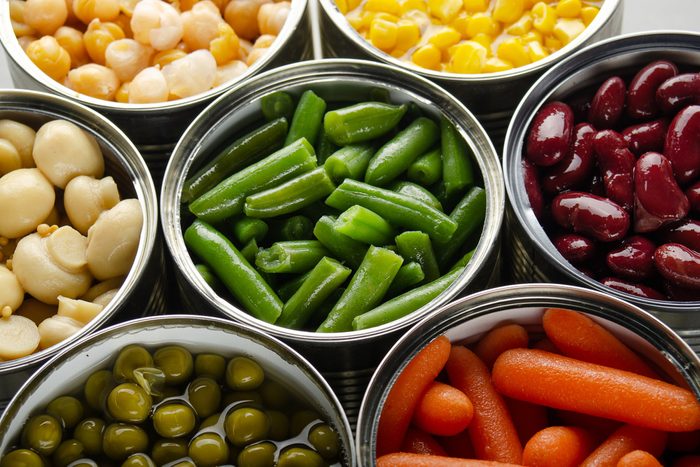
5. Low-Sodium Canned Vegetables
In times when fresh produce isn’t readily accessible, canned vegetables serve as a convenient way to maintain fiber and essential nutrients. “Prioritize low-sodium variants to minimize excess salt intake,” Brittain recommends.
Additionally, some canned goods may contain BPA in their linings, which may have health implications. Whenever feasible, opt for products labeled “BPA-free” to reduce exposure.
Shelf Life: One to five years
Storage Tips: Keep in a cool, dry pantry
Use In Meals: Stir-fries, soups, casseroles, pasta sauces
6
/
13
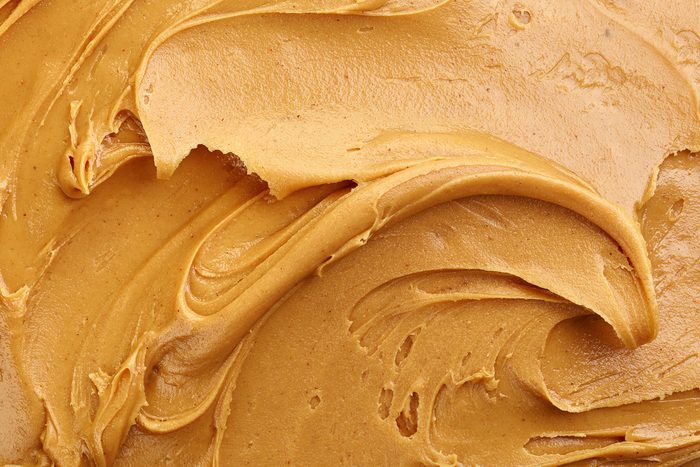
6. Nut Butters (Natural Peanut or Almond)
Nut butters are rich in unsaturated fats, which can help lower LDL cholesterol, according to Czerwony. They also promote satiety, aiding in appetite control. Opt for natural varieties with minimal added sugars, salt, or oils.
Shelf Life: Six to twelve months unopened
Storage Tips: Store in the pantry; refrigerate once opened.
Use In Meals: Smoothies, toast, sauces, baked goods
7
/
13
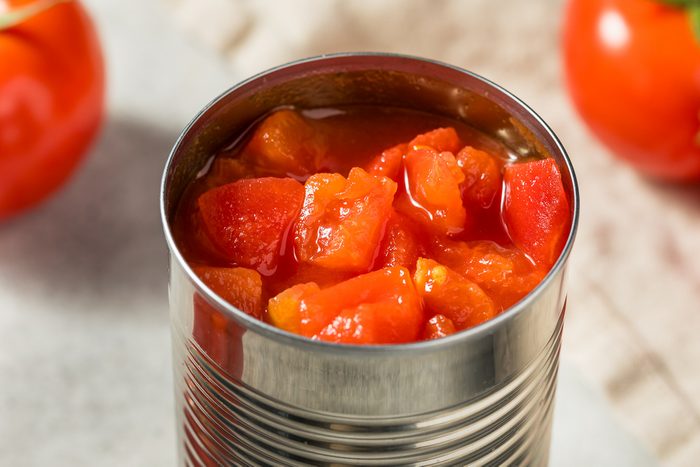
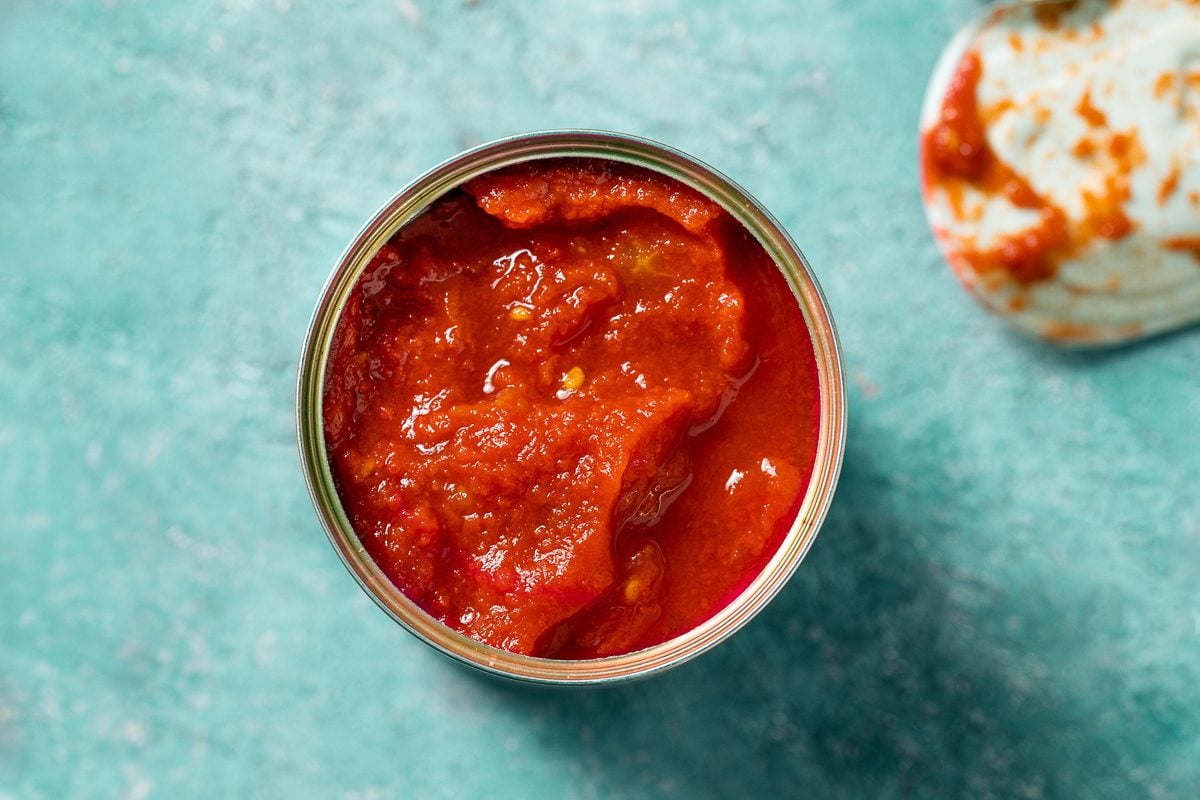
7. Canned Tomatoes
Canned tomatoes provide unique health benefits compared to fresh ones. Czerwony explains that cooking them releases lycopene, an antioxidant associated with a decreased risk of prostate, lung, and stomach cancers. They are also rich in vitamin C and potassium, which supports both immunity and blood pressure.
Shelf Life: Up to two years
Storage Tips: Keep at room temperature (ideally 50–70 degrees Fahrenheit) in a dry spot.
Use In Meals: Pasta sauces, stews, chili, soups
8
/
13
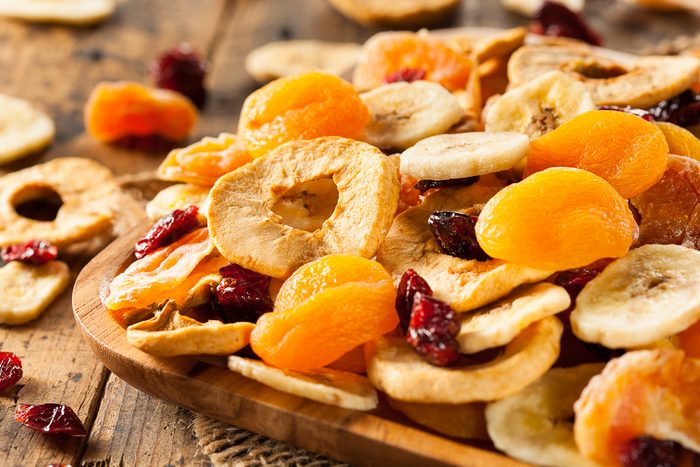
8. Dried Fruits (Without Added Sugar)
Dried fruit is not only a delicious snack but also a nutritious option rich in fiber, vitamins, and antioxidants. They can be a great addition to your diet; however, Brittain advises moderation regarding portion sizes and sugar content.
Shelf Life: Up to one year
Storage Tips: Store in airtight containers; refrigeration or freezing can help prolong their freshness.
Use In Meals: Trail mixes, baked goods, cereals, yogurt toppings
9
/
13
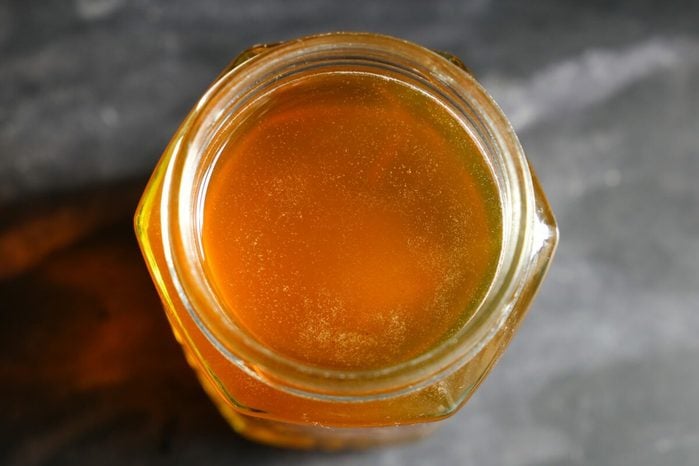
9. Honey
“Honey is one of humanity’s oldest known foods, packed with numerous health benefits,” Czerwony notes. With its natural antibacterial and antioxidant properties, honey supports immune function and gut health. Plus, it can last indefinitely when stored properly.
Shelf Life: Indefinite
Storage Tips: Store in a food-grade glass or plastic container; avoid metal to prevent oxidation.
Use In Meals: Teas, glazes, marinades, baked goods, dressings
10
/
13
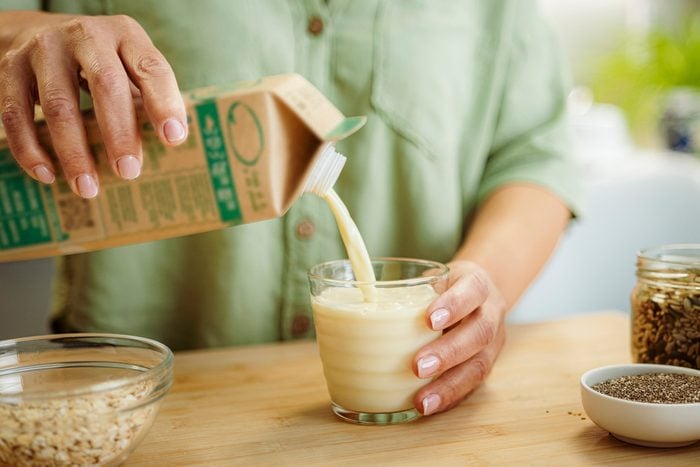
10. UHT Shelf-Stable Milk or Plant-Based Alternatives
Ultra-high temperature (UHT) pasteurized milk and non-dairy alternatives (such as almond, oat, or soy) have lengthy shelf lives without requiring refrigeration. “These options are excellent sources of calcium and support bone health,” states Brittain.
Shelf Life: Up to three months unopened
Storage Tips: Store in a cool, dry pantry; refrigerate after opening and use within seven to ten days.
Use In Meals: Smoothies, cereal, baking, coffee
11
/
13
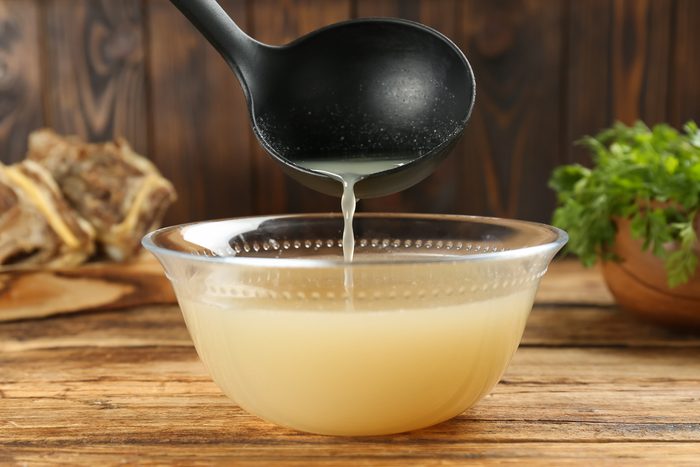
11. Low-Sodium Broth
Brittain mentions that low-sodium broth serves as a hydrating base that supports immunity and joint health, also helping to replenish electrolytes.
Shelf Life: One year (canned); three to six months (cartons)
Storage Tips: Store in a cool, dry pantry
Use In Meals: Soups, sauces, cooking grains, braising meats
12
/
13
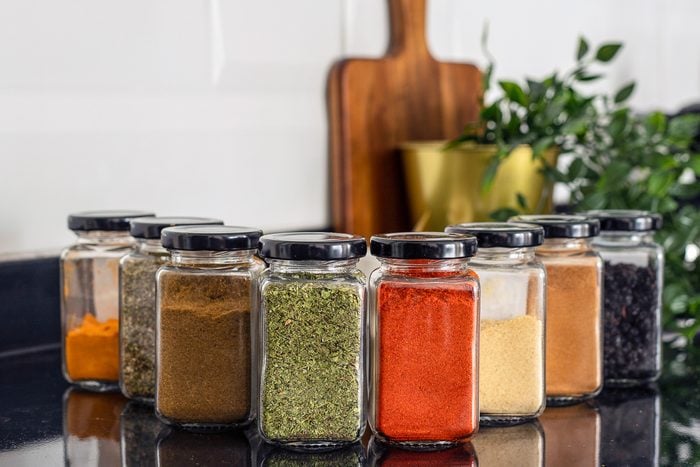
12. Dried Herbs and Spices
Czerwony emphasizes that herbs and spices are excellent sources of antioxidants and anti-inflammatory compounds. They serve as calorie-free flavor enhancers that can elevate the nutrition of any meal.
Shelf Life: One to three years
Storage Tips: Store in a cool, dark space away from heat and moisture; freezing can extend their life, but use thawed portions quickly.
Use In Meals: Everything from eggs to sauces to grains
13
/
13
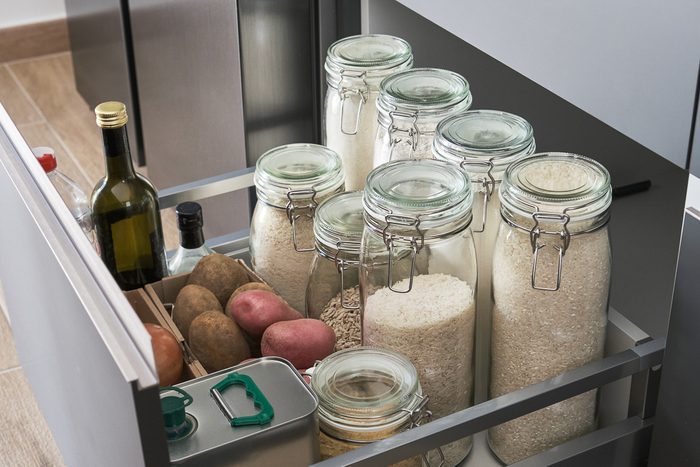
Tips to Extend the Life of Non-Perishable Foods
Maximizing the freshness and safety of your non-perishable foods is crucial, especially in areas susceptible to high humidity or power outages. Our experts offer the following recommendations:
- Store in cool, dry, and dark areas: Keep food off the floor and away from direct sunlight, windows, or heat sources to avoid spoilage, pest issues, and moisture damage. Ideally, maintain pantry temperatures below 75 degrees Fahrenheit.
- Use airtight containers: Storing dry goods like oats, rice, and pasta in sealed containers helps prevent moisture exposure, extending their shelf life.
- Label and date your items: Mark foods with purchase or expiration dates for easier rotation, especially if you update your emergency kit seasonally.
- Follow the FIFO method: Adhere to the “First In, First Out” principle to utilize older stock before newer items, minimizing waste while keeping your pantry fresh.
For daily wellness insights, subscribe to The Healthy by Reader’s Digest newsletter and follow The Healthy on Facebook and Instagram. Keep reading: