Intermittent Fasting and Diet Soda
When it comes to selecting beverages during intermittent fasting, the primary guideline is straightforward: Stay clear of anything that contains calories. The essence of intermittent fasting is to maintain a “fasted state” by avoiding carbohydrates, fats, or proteins for specific timeframes.
This helps your body decrease insulin production and start utilizing ketones stored in fat for energy, rather than relying on glucose from the liver. A 2019 article in The New England Journal of Medicine highlights that scientists think this process, known as ketogenesis (often associated with the keto diet), could slow down the aging process, mitigate chronic inflammation, and improve blood sugar control.
Since diet soda typically contains no calories, many believe it’s acceptable during fasting. Yet, the scientific community continues to discuss the effects of artificial sweeteners on two critical aspects of intermittent fasting: insulin levels and appetite. (More on that shortly.)
Understanding Intermittent Fasting
Intermittent fasting isn’t a singular diet; rather, it encompasses various eating patterns. The primary concept is that this method focuses on when you eat rather than what you eat. For a thorough overview of different methods, check our complete guide on initiating intermittent fasting.
Here are some of the most popular forms:
- The 16:8 or 14:10 Method: These time-restricted approaches require you to consume food only within a defined window. For instance, you might eat only from 10 a.m. to 6 p.m., fasting for the remaining 16 hours (from 6 p.m. to 10 a.m.). Alternatively, you could eat within a 10-hour period (like 9 a.m. to 7 p.m.) and fast for the next 14 hours (from 7 p.m. to 9 a.m.).
- Alternate-Day Fasting: Alternate between regular eating days and fasting days (consuming approximately 500 calories).
- The 5:2 Method: Maintain a standard diet for five days each week, selecting two non-consecutive days (such as Monday and Thursday) to limit your intake to around 500 calories.
- Eat-Stop-Eat Method: Fast for a maximum of 24 hours once or twice weekly while consuming regular meals on non-fasting days.
- The Warrior Method: Considered one of the most challenging options, this method requires you to consume all your daily calories within a four-hour span (like 11 a.m. to 3 p.m.) followed by a 20-hour fast (from 3 p.m. to 11 a.m.).
Is Diet Soda Permissible During Intermittent Fasting?
“In theory, most diet sodas with zero calories won’t disrupt your fast,” explains Autumn Bates, a certified clinical nutritionist based in Manhattan Beach, California. “However, if your objective is weight loss, drinking diet sodas might hinder your goals by triggering increased sugar cravings and heightened hunger levels throughout the day.”
Despite being calorie-free, some individuals may release insulin—a hormone responsible for fat storage—in response to the sweet flavors of diet drinks, even though they aren’t actual sugars. Bates refers to an April study published in the Journal of Family Medicine and Primary Care, which posits a link between artificial sweeteners and insulin resistance.
Furthermore, Bates notes that consuming artificial sweeteners may lead to heightened feelings of hunger and stronger sugar cravings, particularly later in the day, as suggested by a 2016 study in Cell Metabolism.
What’s particularly interesting is that not everyone reacts similarly; some individuals don’t release insulin upon consuming products with artificial sweeteners, and not all who drink diet soda experience stronger cravings post-consumption.
Leigh Merotto, RD, a registered dietitian from Toronto, adds, “Evidence indicates that artificial sweeteners like sucralose and aspartame—commonly found in diet sodas—may provoke a rise in insulin response due to a brain chemical reaction similar to that triggered by actual sugar ingestion.”
“While the consensus is still being formed, we know that diet sodas generally do not support weight loss objectives,” she adds.
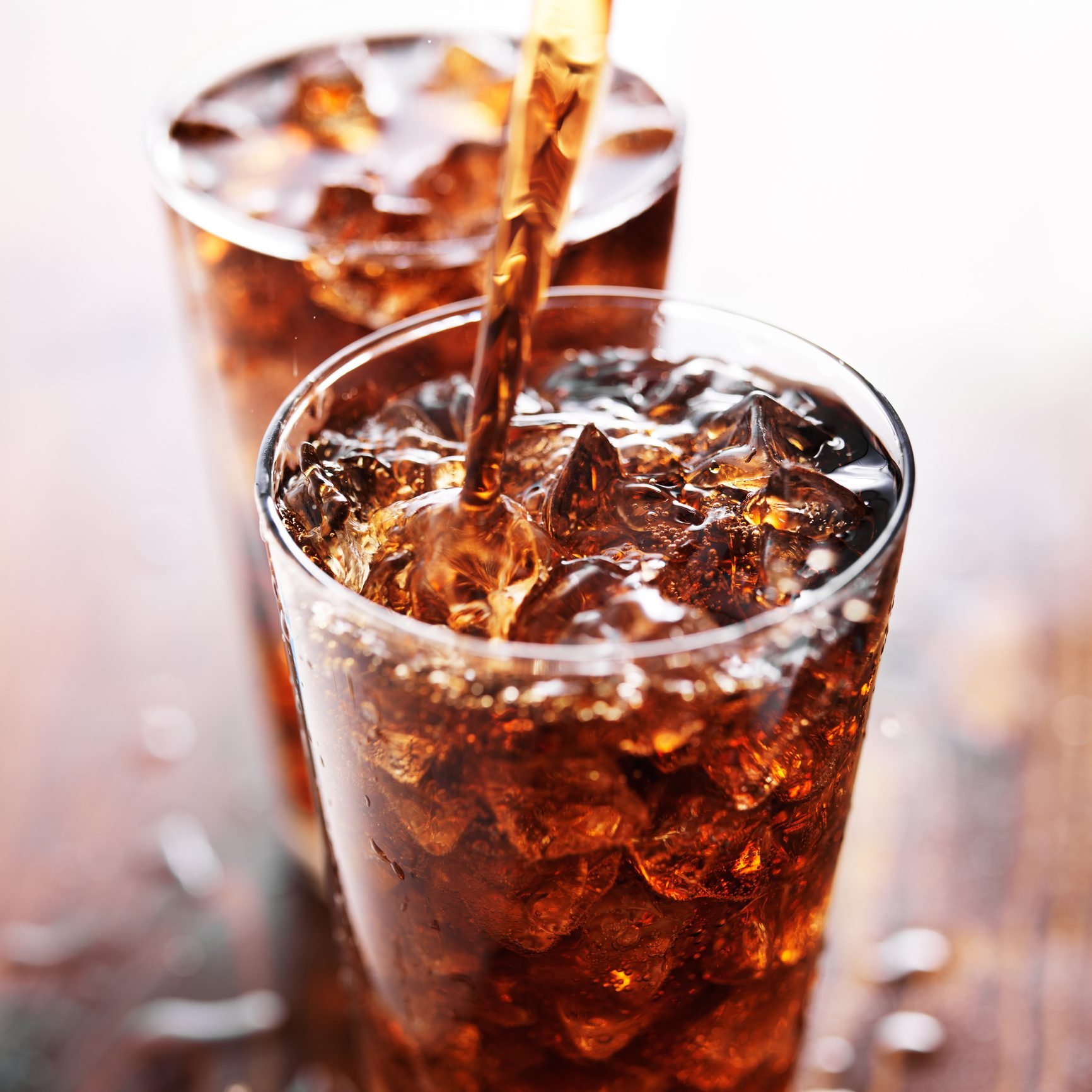
Health Benefits and Risks of Drinking Diet Soda
According to the U.S. Centers for Disease Control and Prevention (CDC), sugar-sweetened beverages such as sodas, juices, and sports drinks are the leading source of added sugars in America.
Such beverages can contribute to a range of health issues, including weight gain, heart disease, tooth decay, type 2 diabetes, and more.
Calorie-free drinks introduce a nuance when it comes to artificial sweeteners, which are often consumed in minimal amounts relative to safe limits.
For instance, aspartame, a commonly used sweetener in diet sodas, has a Daily Intake limit of 50 milligrams per kilogram of body weight, as established by the U.S. Food and Drug Administration (FDA). If you weigh 150 pounds, this means you could safely consume approximately 3,400 milligrams each day—equating to roughly 17 cans of diet soda, as noted by the Kendall Reagan Nutrition Center at Colorado State University.
While such quantities are impractical, it’s essential to recognize that even though reasonable amounts of artificial sweeteners are deemed safe, the American Heart Association recommends that we “limit low-calorie sodas” and prioritize water. The Center for Science in the Public Interest advises avoiding artificial sweeteners altogether, regardless of intermittent fasting.
Research on non-sugar sweeteners is generally limited to short-term studies or small samples, as highlighted in a 2019 extensive review published in the journal BMJ. This review analyzed 56 studies and found no link between weight gain and the intake of artificial sweeteners.
Nonetheless, potential long-term health impacts remain uncertain, suggested by a 2019 study published in Circulation. This research examined individuals who consumed sugar-sweetened versus artificially sweetened beverages. Compared to individuals who did not consume artificially sweetened drinks, those who consumed six or more servings daily were 20% more likely to develop cardiovascular disease over time.
However, it’s essential to note that causation cannot be firmly established, indicating that other factors might be contributing to the observed health issues.
Dietitians’ Perspectives on Intermittent Fasting
While diet sodas are a relatively modern invention (circa the 1950s), “fasting has a long history,” says Alyssa Pike, RD, a nutrition communications manager at the International Food Information Council (IFIC) in Washington, D.C. “Fasting has been practiced since ancient times, often stemming from scarcity or spiritual beliefs.”
While fasting itself is an age-old tradition, the term ‘intermittent’ adds a new dimension. Pike posits that the contemporary approach focuses more on weight loss than the spiritual discipline previously associated with fasting.
“It’s important to recognize that because intermittent fasting involves time-restricted eating, it can lead to various negative eating behaviors. Studies indicate that restriction may increase food fixation, leading to intense thoughts about food and subsequent overeating when food is accessible,” she explains.
Nonetheless, intermittent fasting does offer certain benefits, including enhanced weight loss. It’s crucial to establish realistic goals and ambitions. Keep in mind that your intermittent fasting plan will only be effective if you can adhere to it.
It’s not advisable to refrain from eating for extended hours, such as 24 hours, or even 14 hours for certain individuals. Those who are pregnant, breastfeeding, are on medications that regulate blood sugar, have diabetes, or a history of eating disorders should avoid this practice.