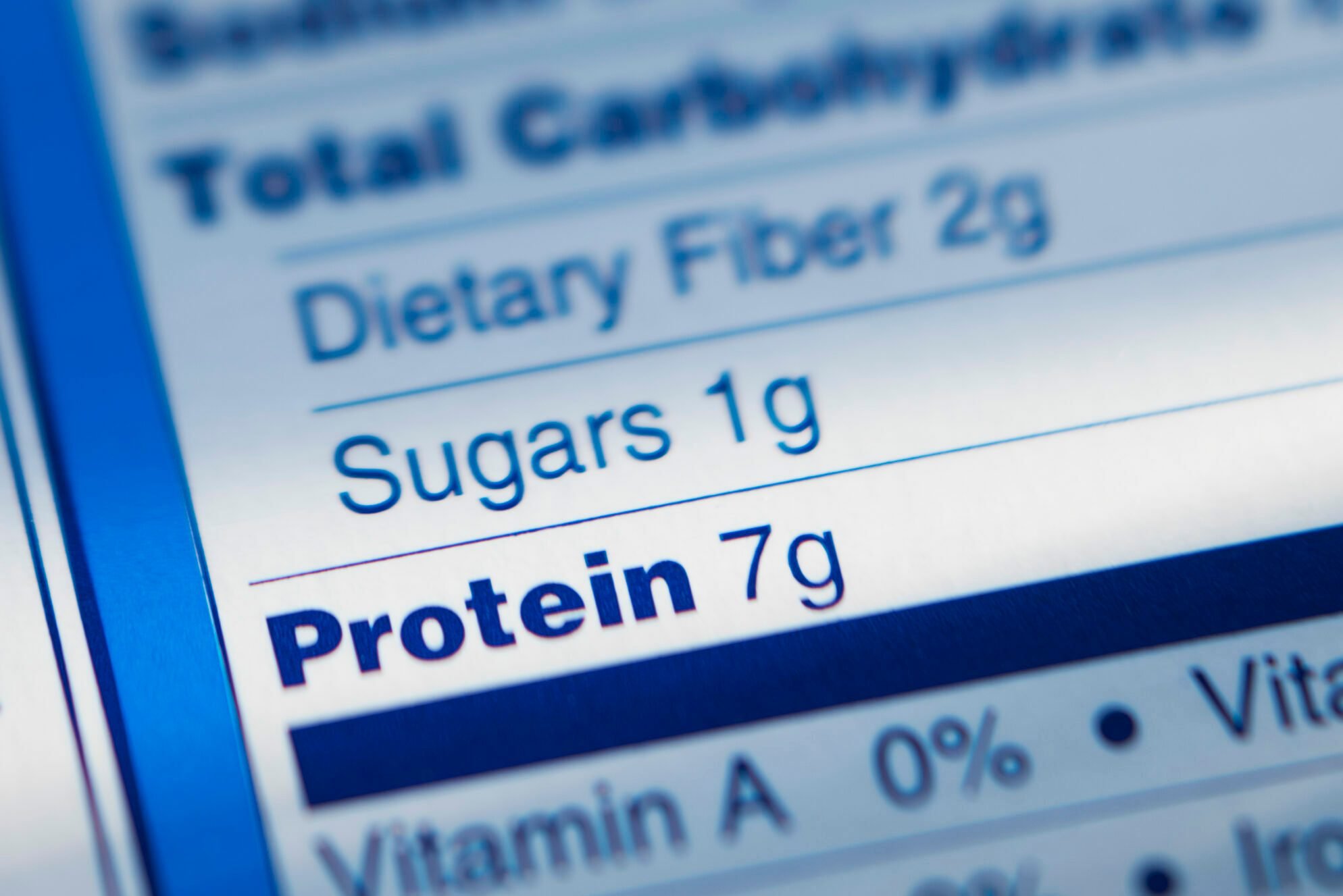
Since the 1940s, the standard daily protein intake recommendation has been set at 0.8 grams for each kilogram of body weight. According to this guideline, a person weighing 170 pounds (or 77 kilograms) would require approximately 62 grams of protein daily.
Recently, this long-standing guideline has been updated with the release of the 2025–2030 Dietary Guidelines for Americans (DGA) in early 2026, which suggests a higher daily protein target range of 1.2 to 1.6 grams per kilogram (g/kg) of body weight.
While this change has sparked some discussion, many nutrition experts believe it is an essential update, provided it is implemented correctly. To explore the reasons behind this update and to clarify the actual protein requirements for individuals, we consulted two nutritional experts, including one who contributed to the new guidelines.
About the Experts
|
The New Protein Range and Its Implications

Shapiro emphasizes that this guideline shift represents a significant research evolution, moving from merely avoiding deficiency to advocating for protein intake that fosters long-term health, function, and longevity. Dr. Layman notes, “That 0.8 grams per kilogram was never an ideal target. It merely indicates the minimum needed to maintain short-term nitrogen balance in healthy 25-year-old men consuming high-quality dairy protein. It applies to hardly anyone.”
The new recommendations align more closely with contemporary findings regarding aging biology. The primary insight? As we age, our muscles and bones regenerate less effectively. “While you can’t completely halt this process, you can mitigate it with higher-quality protein and resistance training,” Dr. Layman explains.
However, age is just one factor influencing protein needs. Life stages, medical conditions, and even temporary stressors can alter protein requirements. Dr. Layman reiterates, “People often ask, ‘What’s the requirement?’ implying a single number works for all, but that’s simply not the case.”
This is why the updated protein range aims to encompass the unique needs of almost everyone. While some may thrive on the higher end, others may find sufficient nourishment near the lower limit.
The Importance of Protein Quality
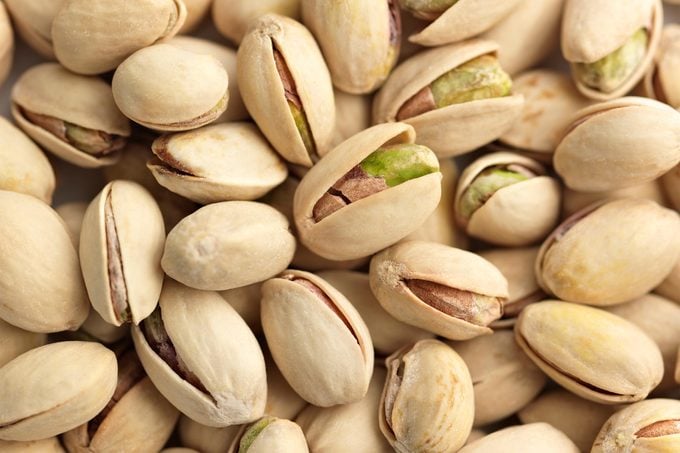
One concern raised by Dr. Layman regarding the updated guidelines is the trend of “proteinification,” where low-nutrient processed foods are enhanced with protein supplements. “Much of this is driven by marketing,” he explains. While the new Dietary Guidelines promote increased protein intake, they also emphasize the importance of prioritizing whole foods, especially when it comes to protein sources.
This focus is intended to encourage a more nutrient-rich diet overall alongside healthy aging. Dr. Layman highlights that protein foods, whether from animal or plant sources, generally have a better nutrient density compared to other foods and that a diet falling below 1.2 g/kg may hinder essential micronutrient requirements. “We see various vitamins and minerals at risk—including vitamin D, B12, B6, niacin, iron, zinc, and selenium—in the American diet,” he states.
This indicates that while protein-fortified snacks and beverages might help you meet your daily protein needs, they do not provide the same nutritional benefits as whole food counterparts and may be laden with additives like sodium, sugar, and unhealthy fats.
How Protein Requirements Change with Age

Throughout the lifespan, protein needs adapt due to variations in growth patterns, hormonal changes, physical activity, and muscle turnover. During younger years, meeting the daily recommended intake is typically adequate for health maintenance.
However, research spanning decades suggests that around age 35 marks a significant change when protein metabolism begins to decline in efficiency. Dr. Layman points out that as individuals progress through midlife and beyond, the distribution of protein intake throughout the day becomes increasingly vital, not just the total amount consumed.
Under Age 35
For children and adolescents, protein requirements tend to rise during growth spurts and active sports involvement, usually ranging from approximately 0.9 to 1.3 g/kg of body weight. Dr. Layman notes that these stages see muscle growth and repair predominantly driven by hormones.
In this demographic, protein intakes at the midpoint of the recommended range typically suffice, influenced by their activity levels and goals related to maintaining lean muscle and metabolic health. For the younger crowd, timing isn’t as critical; as long as total daily protein is sufficient, smaller doses throughout the day can be effective.
Ages 35 to 50
As individuals enter their late 30s and 40s, meeting the mid-range RDA becomes crucial, with a heightened emphasis on per-meal protein intake. Dr. Layman illustrates, “For an adult to benefit, they need at least 30 grams of high-quality protein per meal; merely adding a few grams as a snack will not provide significant advantages.”
Older Adults
Starting around age 50, individuals face an elevated risk for age-related muscle loss, diminishing bone density, and nutrient deficiencies. This is why Shapiro advises aiming for the upper range of the RDA during these years.
Protein distribution throughout meals becomes increasingly important, shifting the focus from just total daily grams.
For instance, Dr. Layman references Starbucks’ introduction of protein-boosted milk, containing about 15 grams of high-quality whey protein. While this can serve as a meaningful source for younger individuals, it may not be sufficient for those aged 65 and older; pairing it with an additional 15-gram protein source becomes essential.
When Your Protein Needs Might Change

It’s a common misconception that only athletes require elevated protein levels. In truth, there are various instances when our bodies may need additional protein. This doesn’t necessarily imply doubling your intake; rather, you may simply want to target the higher end of the recommended range during specific times.
Women Undergoing Hormonal Changes
Shapiro highlights that women may benefit from a slight protein increase during menstruation to support iron levels and recovery. Additionally, protein requirements rise during pregnancy and postpartum to facilitate fetal growth, tissue development, and physical recovery.
Hormonal fluctuations during perimenopause and menopause can also modify protein needs. “The decline in estrogen accelerates muscle loss and increases insulin resistance, making higher protein intakes critical for maintaining lean mass, strength, and metabolic wellness,” Shapiro explains.
Chronic Diseases
If diagnosed with a chronic condition, consult your healthcare provider regarding the appropriateness of a higher protein intake. Diseases such as diabetes, inflammatory disorders, sarcopenia, cancer, recent surgeries, and gastrointestinal (GI) challenges affecting nutrient absorption may necessitate a slight increase in protein requirements. However, individuals with chronic kidney disease should adhere to doctor-recommended guidelines.
Your doctor may be able to suggest the best protein sources tailored to your condition. For example, those with GI problems might need to avoid high FODMAP foods, which, while healthy protein options, may prove harder to digest.
Medications
Certain medications, including steroids and GLP-1s, may elevate protein requirements to help preserve muscle during weight loss or illness. Shapiro notes that in such cases, protein needs may trend toward the higher end of the spectrum, although personalized medical advice should always take precedence.
6 Foods To Eat on Semaglutides, Listed by a Doctor of Obesity Medicine
Sickness or Injury
During illness, recovery from injury, or battling ailments like the flu, increasing protein intake can facilitate healing, Shapiro explains. “In such states, the body enters a catabolic phase, rapidly breaking down protein. Elevated protein consumption supports immune function, tissue recovery, and muscle maintenance during and after these periods,” she adds.
8 Things You Should Always Eat When You Have a Cold
High-Stress Situations
“Continuous stress and sleeplessness can elevate cortisol levels, hampering muscle protein synthesis,” Shapiro says, indicating that protein needs might slightly rise to help mitigate muscle breakdown, regulate blood sugar, and promote recovery.
Dr. Layman adds that prioritizing complete protein sources can provide added advantages during stressful times. Complete proteins contain all nine essential amino acids, each serving distinct roles in bodily functions. For instance, certain amino acids like tryptophan and phenylalanine impact cognitive performance and mood, although further research is required in this area.
Is It Possible to Consume Too Much Protein?
Dr. Layman indicates that protein intake is safe across a spectrum from 0.8 to 3.0 g/kg of body weight, which allows for a wide range. However, Shapiro cautions that more protein isn’t always beneficial. “Concerns arise when protein intake overshadows other critical nutrients—such as fiber, carbohydrates, and fats—or for individuals with advanced kidney disease who should seek medical advice.”
Caloric balance is crucial as well. Excess calorie consumption—even from healthy protein sources—can lead to weight gain, potentially heightening the risk of illness or chronic disease. Therefore, factors like quality, balance, hydration, and meal distribution are equally important as total intake.
Stay informed about daily wellness tips by subscribing to The Healthy newsletter and following The Healthy on Facebook and Instagram. Continue exploring:
In summation, as dietary guidelines evolve, so too do our understanding and requirements for protein intake. It is crucial to ensure that protein consumption aligns with individual needs and circumstances, fostering overall health and well-being. Emphasizing high-quality proteins from whole food sources can enhance nutrition, support aging, and promote a more balanced diet.