Ginseng Authenticity and Adulteration
Recent research has shed light on the continuing issue of adulteration within the ginseng market. This article summarizes findings related to the authenticity of 910 commercial ginseng products as documented in 48 peer-reviewed studies.
Study Overview
The study published in Natural Product Communications reveals that of 853 ginseng products analyzed, 24.7% (211 products) were found to be adulterated. The primary reason for adulteration was the substitution of the declared ginseng species with less expensive powdered roots or extracts from alternative plants. This concern was highlighted by Nilüfer Orhan, PhD, a research scientist at the American Botanical Council (ABC), along with her colleagues Stefan Gafner, PhD, and Mark Blumenthal.
Insights from the Research
Dr. Gafner noted in a press release from ABC, “The information gathered suggests that ginseng adulteration is a persistent problem. In many cases, this occurs for financial reasons, despite insights from industry colleagues indicating that costs for Asian and American ginseng roots are quite similar.” The pricing of ginseng largely depends on the type of roots, with main roots commanding higher prices while slender roots are offered at a lower cost. This price disparity leads to economically motivated adulteration driven by the quality of the root material rather than species.
Understanding Ginseng
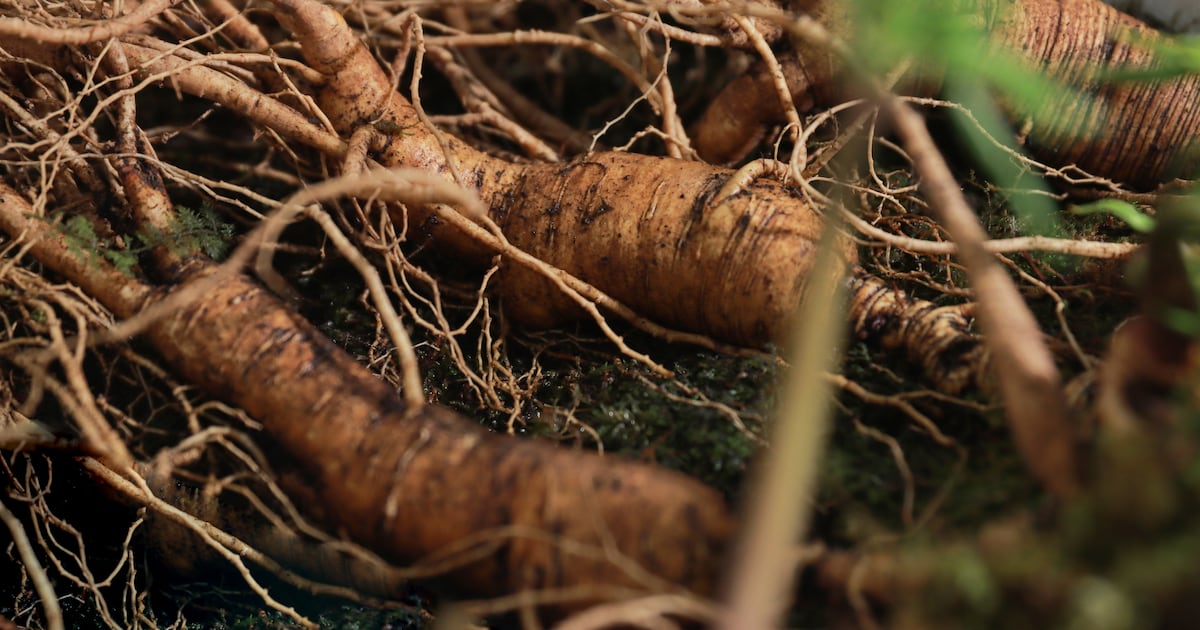
The term “ginseng” encompasses several species within the genus Panax (family Araliaceae), comprising 16 species. The most commonly cultivated varieties include Asian ginseng (P. ginseng), American ginseng (P. quinquefolius), and tienchi ginseng (P. notoginseng), all renowned for their significant health benefits. Roots that are five to six years old typically carry a market value that is 30% to 60% higher than those that are merely four years old, prompting practices such as adulteration using younger roots.
Types of Adulteration
Various forms of adulteration have been identified, including:
- Substituting lower-cost Panax species.
- Incorporating excessive fillers or excipients.
- Mixing extracted or waste materials with unextracted roots.
- Blending different non-root parts of ginseng or similar-looking species into genuine products.
- Containing undeclared active pharmaceutical ingredients in certain dietary supplements.
According to the research team, “The findings align with previous reviews regarding the extent of ginseng adulteration. This issue remains a significant concern, varying by type of ginseng, product form, and geographical region. Generally, dietary supplements are at a higher risk for adulteration compared to powdered ginseng root or ginseng sold as herbal tea.” These results underscore the need for enhanced quality control measures, stricter enforcement of existing regulations, and improved product labeling to maintain consumer safety and confidence.
Future Steps
This review will culminate in the release of the Botanical Adulterants Prevention Bulletin on ginseng, marking BAPP’s 32nd plant-specific bulletin.
Ginseng Supplement Market
According to ABC’s latest Herb Market Report (HerbalGram #144), sales of dietary supplements featuring ginseng as the primary functional ingredient reached approximately $10.7 million in 2024 across both mainstream and natural channels.
The Controversy Surrounding Ginseng
Mark Blumenthal from ABC, who has over 50 years of experience with ginseng, expressed that the new BAPP review significantly contributes to the scientific community’s understanding of this complex issue. Reflecting on past challenges, he noted, “I have been involved with problems related to ginseng in commerce since the 1970s. In 1979, as president of the then-nascent Herb Trade Association, we alerted the natural products industry about the dangers of ‘Wild Red American Ginseng’, a fraudulent product being sold to health food stores. Thankfully, our efforts led to its removal from the market.”
In his article “A Brief History of Adulteration of Herbs, Spices, and Botanical Drugs,” the late Steven Foster detailed how ginseng has been engulfed in controversy. An example includes the introduction of a Chinese herb known as Eleutherococcus senticosus, marketed as “Siberian ginseng,” which misled consumers for over 30 years. However, a provision in the 2002 Farm Security and Rural Investment Act prohibited the use of the term “ginseng” for any products not derived from the Panax genus, resolving much of the confusion.
Blumenthal highlighted that the new BAPP review addresses the misuse of the term “ginseng” for various unrelated plants, emphasizing that while such practices do not always represent outright fraud, they do contribute to public confusion.
Conclusion
The persistence of ginseng adulteration poses challenges for both consumers and the industry. As the market continues to grow, there is a pressing need for regulation and transparency to ensure the authenticity of ginseng products. The forthcoming Bulletin on ginseng will be a crucial resource in the fight against adulteration, enhancing consumer trust and promoting high-quality herbal supplements.