About the Experts
|
Highlights
|
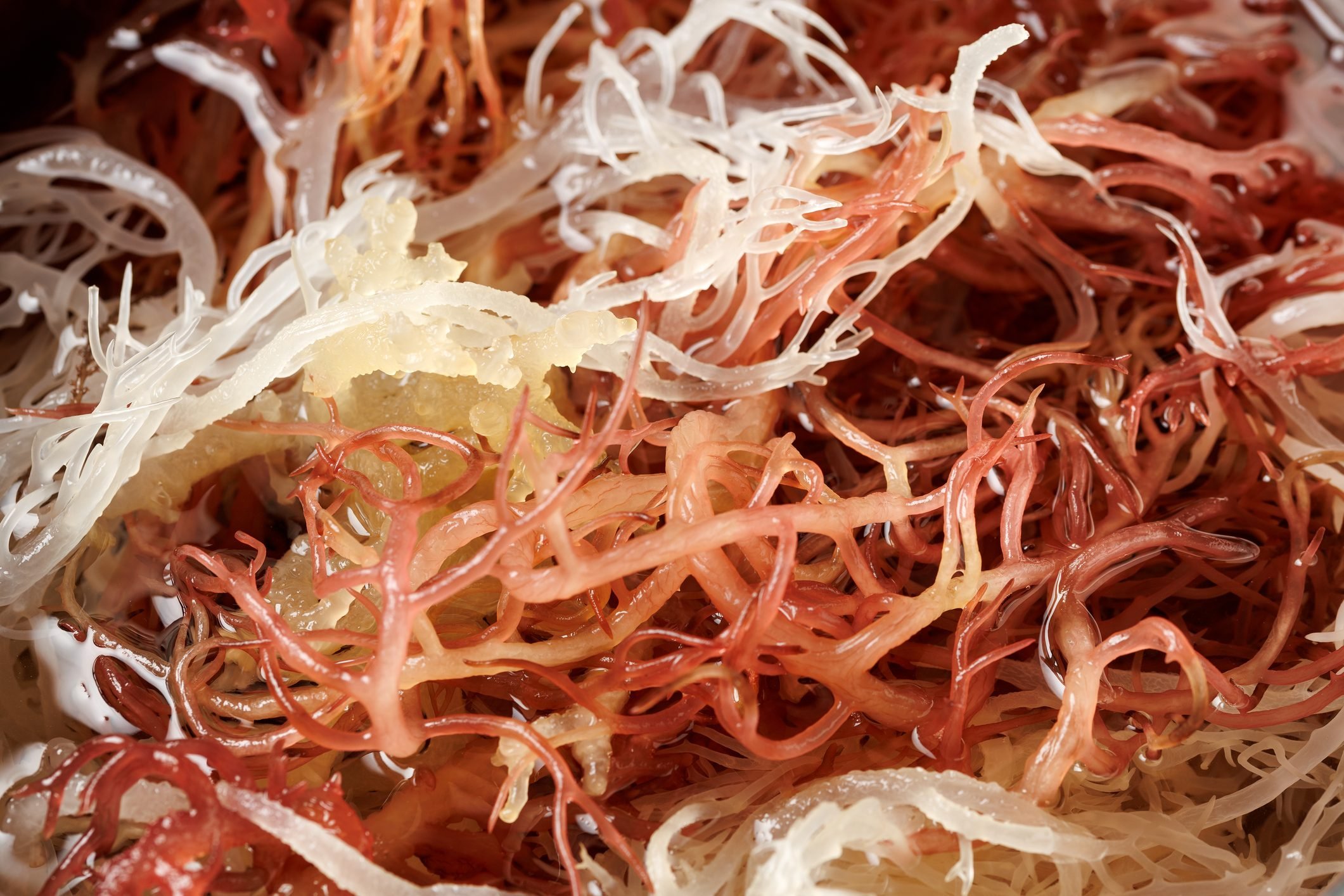
Sea moss, commonly referred to as Irish moss, is a variety of red seaweed that has been part of human diets for millennia, according to Martha Theran, MS, RD, RDN, a registered dietitian nutritionist and educator at the Pritikin Longevity Center.
“It is packed with vitamins, minerals, and antioxidants and has been traditionally used for its nutritional benefits,” she notes. Recently, “sea moss has surged in popularity as a superfood,” leading to its emergence as a multi-billion-dollar industry, as reported by Virtue Market Research. It is now available in forms such as supplements, powders, gels, or gummies, as noted by Amy Brownstein, MS, RDN, consultant dietitian with MyNetDiary. Raw forms are also available.
But does sea moss truly live up to the hype? According to Theran, while scientific investigations are limited, anecdotal reports suggest it may support various aspects of health, from skin health to brain function and digestive wellness—albeit in moderation. Given its dense nutrient profile, experts warn that overconsumption can lead to health issues.
What is Sea Moss?
This red algae, scientifically known as Chondrus crispus, is primarily found growing on rocks along the North Atlantic coasts. According to Theran, when it washes ashore in regions such as Europe, North America, and some Caribbean islands, it resembles the common sargassum algae.
Sea moss is commonly utilized in food production as a thickening and stabilizing agent, explains Katie Janeczek, MS, RDN, LDN, a dietitian at Ciba Health. This byproduct, known as carrageenan, is often found on ingredient lists. While carrageenan improves the texture of processed foods, it lacks nutritional value, according to a 2024 study published in Nutrition & Diabetes. In fact, research indicates that in this additive form, carrageenan may pose health risks, including an increased risk of type 2 diabetes.
In contrast, pure sea moss—with its naturally occurring carrageenan—serves as a rich source of nutrients like calcium, magnesium, and iron, according to Janeczek. With its rising popularity, sea moss is available in several forms depending on your preference, which include:
- Gel form: Ideal for use in smoothies, juices, soups, teas, or cereals
- Capsules (or gummies): “Convenient options for supplementation,” states Theran.
- Powders: Suitable for various beverages or meals.
- Raw (dried): “Can be soaked and rehydrated for recipes.”
Sea Moss Nutrition
Sea moss naturally provides micronutrients, including iodine (crucial for thyroid function) and iron (an essential mineral for overall energy).
A standard serving of two tablespoons of raw Irish sea moss contains the following nutrients:
- Calories: 5
- Fat: 0 g (0 percent daily value, or DV)
- Protein: 0.2 g (0 percent DV)
- Sodium: 6.7 mg (0 percent DV)
- Carbohydrates: 1.2 g (0 percent DV)
- Dietary Fiber: 0.1 g (0 percent DV)
- Magnesium: 14.4 mg (4 percent DV)
- Calcium: 7.2 mg (1 percent DV)
- Potassium: 6.3 mg (0 percent DV)
- Iron: 0.89 mg (5 percent DV)
- Phosphorus: 15.7 mg (2 percent DV)
Types of Sea Moss
While most sea moss products are derived from the red algae Chondrus crispus, the term “sea moss” may also refer to various types of algae or seaweed, appearing in colors ranging from green to yellow, purple, and black.
The nutritional content can differ based on its growing conditions, as noted by Vicki Shanta Retelny, RDN, an author and podcast host. Some manufacturers claim that sea moss harvested from the ocean is superior to that cultivated in controlled environments, such as pools.
However, current research does not substantiate these claims regarding nutritional disparities.
Sea Moss Benefits
“Sea moss shows potential benefits for gut health, blood sugar management, and cellular health, but further extensive human research is required to confirm these benefits,” says Shanta Retelny.
Despite limited studies, the strong nutritional profile is a primary reason for sea moss’s growing popularity in wellness circles.
1. May Protect the Nervous System
“Sea moss is particularly noted for its support of thyroid health due to its iodine content, which is vital for hormone production,” Janeczek explains. “This contributes to the regulation of metabolism, energy levels, and hormonal balance,” adds Theran.
Research suggests that the bioactive compounds in sea moss might help shield against neurological diseases, including Parkinson’s, Alzheimer’s, and multiple sclerosis, according to a 2021 review published in Marine Drugs. “Red seaweed could have protective effects on the nervous system due to its ability to reduce oxidative stress,” notes Theran. However, more clinical trials on humans are necessary to explore these potential effects further.
2. May Aid Weight Loss
“Low in calories and high in fiber, sea moss may enhance feelings of fullness and curtail appetite,” states Theran. Its main type of fiber, carrageenan, acts like soluble fiber in the gut, slowing digestion and promoting satiety, according to a 2020 study published in Life.
Additionally, a 2021 study in Food Science & Nutrition suggests natural carrageenan might promote fat burning efforts, although this research was conducted on mice and needs more human-centered studies.
3. Supports Immune System Function
Theran highlights that sea moss is rich in antioxidants and anti-inflammatory compounds, both crucial for immune health and reducing inflammation, linked to chronic diseases. Its impressive nutrient profile includes vitamins and minerals that bolster immune strength, such as iron, zinc, and B vitamins.
A 2020 study published in Nutrition Reviews supports sea moss’s anti-inflammatory and antioxidant properties. Additionally, it suggests seaweeds like red sea moss may exhibit antiviral qualities, potentially providing protective effects against viruses, including Covid, although this research is largely lab-based.
4. May Enhance Gut Health
“Sea moss is also popular for gut health because it provides prebiotic fiber, which fosters beneficial gut bacteria and aids in digestion,” explains Janeczek.
This support for gut microbiome health may contribute to sea moss’s immune-boosting properties. Imbalances in gut bacteria have been linked to chronic conditions like inflammatory bowel disease (IBD), immunodeficiency, high blood pressure, type 2 diabetes, obesity, and even cancer, per research published in 2021 in Marine Drugs.
“Sea moss contains mucilage, a gelatin-like fiber that may soothe the digestive tract,” adds Theran. This plant-based substance promotes regular bowel movements, according to research from 2021 published in Nutrients. It also contributes to feelings of fullness, aiding weight-loss claims associated with sea moss.
5. Could Assist in Blood Sugar Management
“Sea moss is abundant in vitamins, minerals, fatty acids, and polyphenols that may contribute to its health benefits,” states Brownstein. “These nutrients can offer anti-inflammatory effects that aid in regulating blood sugar and blood pressure.”
Specifically, “many varieties of sea moss contain fucoxanthin, which has been shown to help control blood sugar levels,” explains Theran. This plant-based compound found largely in seaweeds exhibits anti-diabetic and anti-obesity properties, as noted in 2022 research published in Marine Drugs.
6. May Promote Healthy Skin
Sea moss is rich in sulfur and vitamins A and E, which may help improve skin clarity and alleviate acne or irritations, according to Theran. “It is also incorporated into skincare products for its hydrating and soothing properties.”
The National Eczema Association (NEA) explains that sea moss is believed to have anti-inflammatory, antifungal, and antiviral effects, potentially making it a remedy for skin conditions like eczema. Additionally, seaweeds like sea moss contain bioactive compounds that may protect against skin damage caused by UV rays, as demonstrated in 2021 research published in Marine Drugs. Sea moss is also rich in various vitamins and minerals conducive to healthy skin, as noted by the NEA.
However, if you are using medications to manage a skin condition, such as corticosteroids or cortisone creams for eczema, the NEA advises consulting with a healthcare provider before switching to natural remedies like sea moss since “natural” does not always equate to “better.”
7. Might Support Joint and Bone Health
Sea moss is packed with minerals such as magnesium, calcium, and potassium, essential for joint and bone function, according to Theran. Historical references indicate that seaweed was used as a medicinal treatment for bone fractures, as highlighted by a 2024 study published in Marine Drugs.
Contemporary research suggests that the mineral content of sea moss may foster joint health and enhance bone density. One study published in the Asian Journal of Medical Sciences found that sea moss assisted individuals with musculoskeletal complaints by reducing pain, fatigue, and weakness, although the sample size was small (80 participants), indicating the need for more comprehensive research.
8. May Increase Energy Levels
“The iron found in sea moss may help combat fatigue,” states Theran, particularly in those deficient in iron. A serving of two tablespoons can supply around 10% of your daily iron requirement, depending on the specific product used.
Roughly one in three Americans may have an unnoticed iron deficiency, according to a 2024 report published in JAMA Network Open. Iron is essential for carrying oxygen throughout the body; even a minor deficiency means that muscles, tissues, and cells may lack sufficient fuel, leading to symptoms such as fatigue, cognitive impairment, and difficulty focusing.
9. Potential Anti-Cancer Properties
Various marine plants are currently being examined for possible anti-cancer effects, including sea moss. Although the research is still evolving, a 2024 review in Marine Drugs indicates that the compounds found in sea moss—such as fatty acids, carrageenan, and polysaccharides—have exhibited anti-cancer potential in lab studies.
A 2021 study released in Cancers focused on a specific compound, fucoxanthin, which was shown in lab environments to induce apoptosis (cell death) in colon cancer cells while preventing the spread of cancer cells. Further research, published in Frontiers in Oncology in 2023, suggests that habitual intake of the anti-inflammatory phytochemicals prevalent in marine products like sea moss may lower cancer risk.
Risks and Side Effects
Sea moss contains iodine, a critical element for thyroid health. However, Shanta Retelny warns against excessive iodine intake, which may lead to thyroid disorders. Similar to a deficiency, too much iodine can result in goiters and hypothyroidism. “It may increase the risk of thyroiditis (inflamed thyroid) and thyroid cancer,” Brownstein adds.
The recommended dietary allowance for iodine is 150 micrograms (mcg) for most adults.
According to the National Institutes of Health, the upper intake limit of iodine for most adults is 1,100 mcg. Consuming over 286 grams of sea moss in a single day could result in adverse health effects, surpassing that threshold, based on a 2020 study published in Environmental Science and Pollution Research.
Beyond the risks of iodine overload, sea moss “may also contain elevated levels of heavy metals,” cautions Shanta Retelny. “Like all things, moderation is key.”
A 2025 report in the Journal of Agriculture and Food Research suggests that long-term exposure to heavy metals, such as arsenic, cadmium, lead, and mercury, can result in severe health issues, including cognitive impairment, heart disease, kidney damage, and liver problems.
Given the potential contamination risks, Brownstein recommends limiting sea moss intake to a few times a week instead of daily consumption.
Theran notes that while sea moss can be safe for most individuals when taken in moderation, specific cases should be approached cautiously:
- Thyroid conditions: Individuals with thyroid issues should consult a healthcare provider before consuming sea moss due to its iodine content.
- Pregnancy and breastfeeding: It is advisable to avoid sea moss during pregnancy and breastfeeding unless recommended by a healthcare professional.
- Allergies: Those with seafood or iodine allergies should refrain from using sea moss.
- Medication interactions: Sea moss may interact with specific medications, including those used for thyroid issues or blood thinners.
How to Shop for Sea Moss
Sea moss supplements are frequently combined with doses of anti-inflammatory ingredients like turmeric or other health-promoting nutrients.
When purchasing pure sea moss, look for dried or fresh red algae labeled as “Irish moss” or “Chondrus crispus.” This can be found online or in some health food and supplement stores.
The U.S. Department of Agriculture doesn’t specify a recommended serving size for sea moss, so it’s best to follow the serving sizes provided on product labels. “Iodine content may vary depending on the form of sea moss,” Brownstein notes. “Make sure to review supplement or ingredient labels to determine an appropriate quantity of sea moss to meet the recommended dietary allowance for iodine.”
Interested in trying sea moss? Here’s what our nutrition experts recommend.
How to Incorporate Sea Moss into Your Diet
“There is no established dosage, but it is recommended to limit to one to two tablespoons (four to eight grams) of sea moss daily,” advises Theran. “Start with a smaller amount to assess your tolerance.”
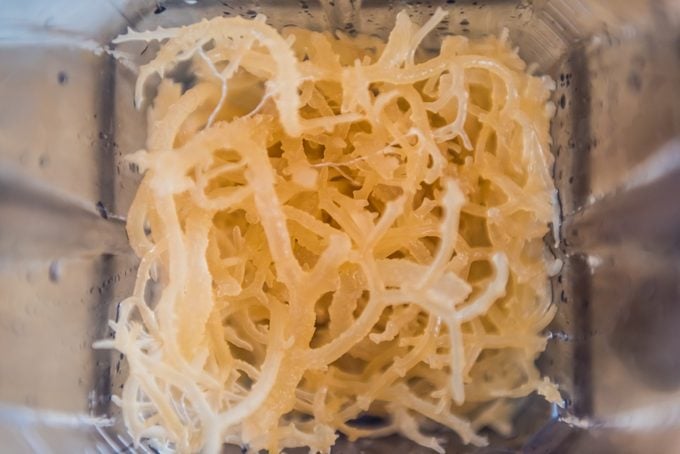
Sea moss can be taken in supplement form or as a prepared gel or powder that can be added to various recipes, Brownstein explains. “You can even create a sea moss gel by soaking [raw, dried] sea moss and blending it with water,” she suggests. “Sea moss may have a fish-like flavor,” but soaking it beforehand can diminish some of that taste.
Here are some creative ideas for incorporating sea moss into your meals:
- Blend a couple of tablespoons of sea moss into your favorite morning smoothie.
- Use sea moss to thicken broths and soups.
- Add sea moss gel to homemade ice cream as a binding agent.
- Stir a spoonful of sea moss into applesauce, pudding, jam, or pie filling.
“You can even eat it straight from the jar,” adds Brownstein. And if a recipe calls for sea moss gel, that simply refers to dried sea moss that has been soaked in filtered water overnight.
There is no conclusive research on the length of time sea moss gel remains fresh in refrigeration, so any leftovers should be stored cautiously.
For ongoing wellness tips, subscribe to The Healthy by Reader’s Digest newsletter and follow The Healthy on Facebook and Instagram. Keep reading: