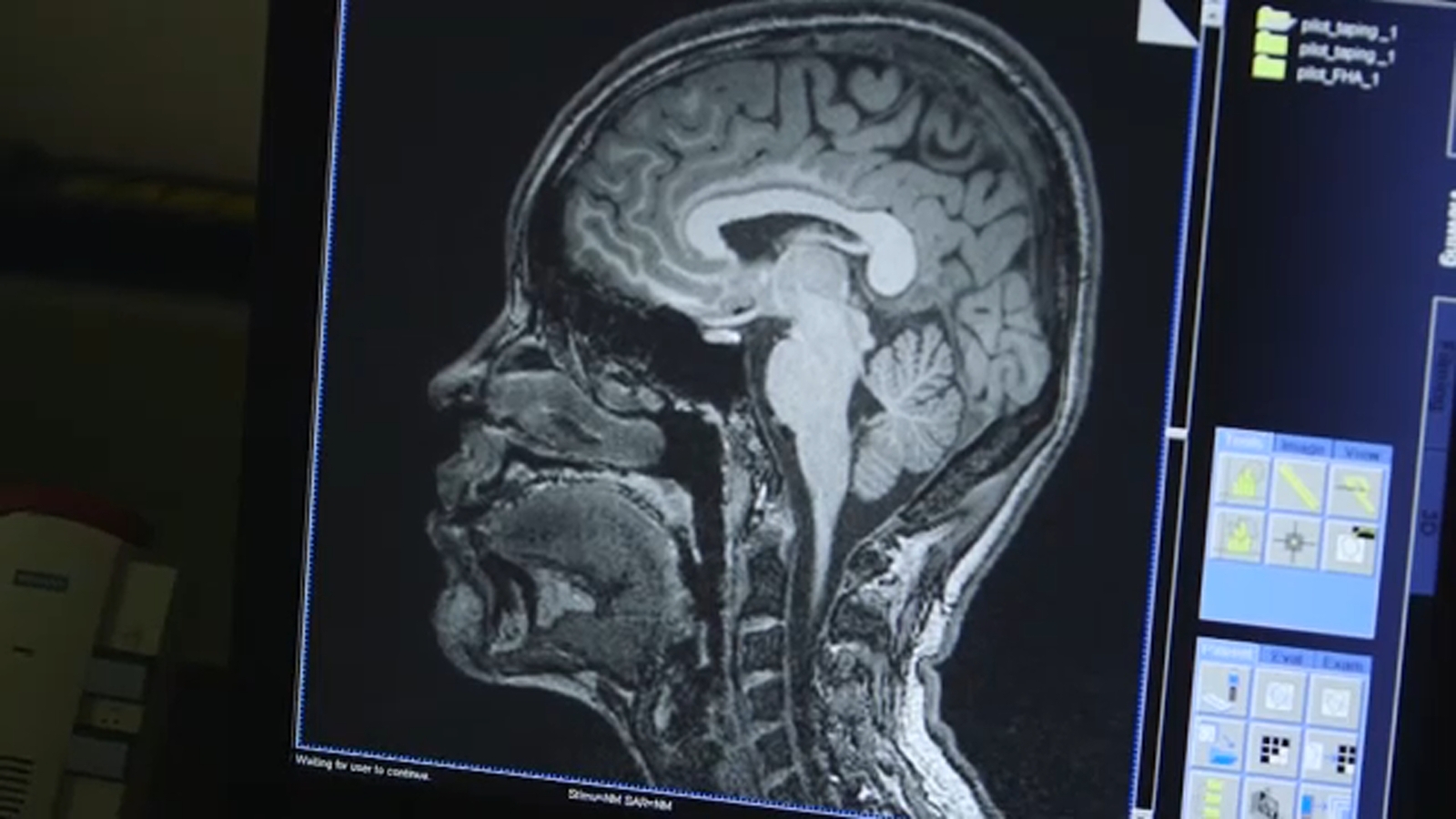
LOS ANGELES (KABC) — Researchers at UCLA are leveraging artificial intelligence to identify individuals who may be at risk for Alzheimer’s disease.
Scientists are developing an AI tool designed to detect undiagnosed cases and reduce disparities across various communities.
Alzheimer’s disease ranks as the sixth leading cause of death in the United States, and researchers emphasize that early diagnosis is vital for several important reasons.
“With new therapies available for those diagnosed with early Alzheimer’s disease, it becomes increasingly important to identify patients as soon as possible,” stated UCLA Neurologist Dr. Timothy Chang.
He pointed out that studies suggest that as many as 40% of Alzheimer’s cases remain undiagnosed.
How does the UCLA AI tool work?
This innovative algorithm analyzes patient medical records, focusing on prior diagnoses, age, and neurological indicators.
“We were able to identify about 80% of individuals who would otherwise remain undiagnosed with Alzheimer’s disease,” Chang explained.
This success rate is nearly double that of existing models.
The researchers also trained the AI tool to better identify cases within underrepresented groups. Notably, Black and Latino individuals are at a higher risk of developing Alzheimer’s but are less frequently diagnosed.
“It performs fairly across various demographic groups. For those experiencing early signs, there are lifestyle changes that can be implemented,” Chang added.
How the new AI tool can support families
Ana Kelly and her husband Jim cared for Ana’s mother, Anita Chavira, until her passing from Alzheimer’s.
“I realized years before her official diagnosis that she had dementia,” Kelly recounted. “Her condition deteriorated, and she passed away in January 2016.”
Her mother’s journey, featured in a USC student documentary, provided Kelly with valuable insights.
“If I were to face a similar situation, I want to be a supportive patient and family member,” she noted. “I don’t want to complicate things for my loved ones.”
Following her experience caring for her mother, Kelly expressed concern over the shortage of caregivers as more Americans receive dementia diagnoses. She believes taking an active role in one’s future health is imperative.
“Your eating habits, exercise routine, and mental well-being—those are all important factors to focus on at a younger age,” Kelly emphasized. “While I might not be able to prevent it, I could potentially slow its onset by a decade or two, and that would be significant for me,” she concluded.
Copyright © 2026 KABC Television, LLC. All rights reserved.