Experiencing a sudden toothache can be a deeply unsettling experience, leading many to fear an urgent dental visit. New dental problems often mean expensive treatment, with the costs for examinations, fillings, and X-rays accumulating quickly.
As reported by the National Oral Foundation, nearly one in three adults in the UK suffers from tooth decay, with cavities ranking among the most widespread health issues.
Interestingly, could a simple post-meal snack aid in preventing cavities?
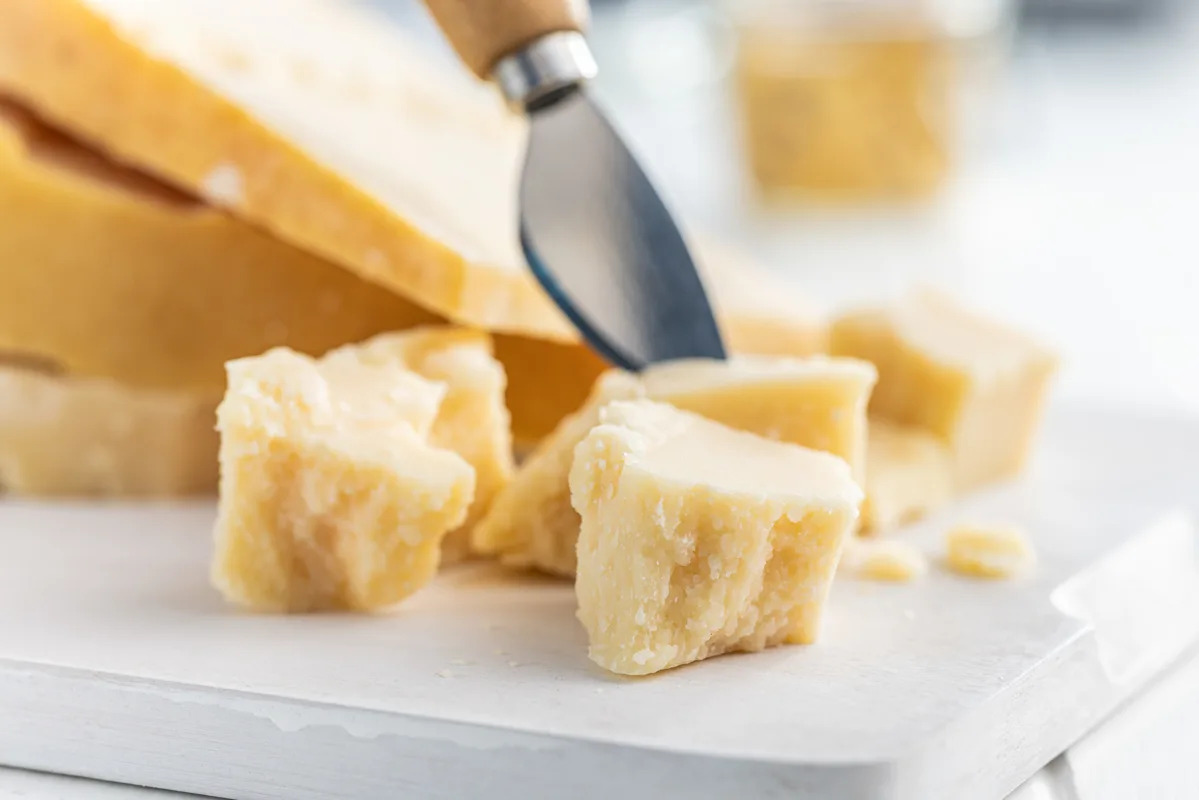
Dental professionals suggest that having a small piece of cheese after meals may naturally strengthen tooth enamel, offering protection against the acids that gradually erode teeth.
Why do cavities develop?
Cavities are essentially holes or areas of decay that appear on the hard surface of teeth, known as enamel.
“They occur when bacteria in plaque feed on sugars and starches, leading to the production of mouth acids that demineralize your enamel,” explains Dr. Kabir Bhogal, a dentist at Revive Clinic.
“Frequent consumption of sugary foods raises the acidity in saliva, which softens enamel and increases the likelihood of cavities over time.”
How does cheese safeguard teeth?
Most of us don’t need an excuse to enjoy a serving of Stilton after a tiring day, but Bhogal highlights that cheese can be particularly beneficial for oral health as it helps to regulate the pH balance in the mouth.
“Cheese boosts saliva production, which neutralizes harmful acids present after meals,” he explains. “It’s also rich in calcium, phosphate, and proteins that contribute to strengthening and safeguarding enamel.”
Since cheese is low in sugar and non-acidic, Dr. Abdul Dalghous from Yorkshire Dental Suite notes that it’s most beneficial when consumed at the end of a meal.
“However, it should never replace regular brushing and flossing,” he emphasizes.
Are some cheese types more effective than others?
Not all cheeses are created equal when it comes to dental benefits. “Hard or aged cheeses tend to be better choices than softer varieties,” Bhogal says, “as they are lower in sugar and require more chewing, which helps remove plaque from teeth.”
It’s important to consider that cheese can be high in saturated fat, which isn’t ideal for heart health in large amounts. As such, the British Heart Foundation recommends limiting cheese intake to roughly 30 grams per day—equivalent to a small matchbox or half the length of your index finger.
Are there other foods that benefit dental health?
For those concerned about their teeth, a trip down the dairy aisle might prove worthwhile.
“Other foods that offer similar advantages include milk and unsweetened yogurt, which contain minerals essential for strengthening enamel, as well as nuts and leafy greens that promote oral health due to low sugar content,” explains Dalghous.
He also points out that crunchy fruits and vegetables, like carrot sticks and apples, can help stimulate saliva and naturally clean teeth. Likewise, sugar-free gum, especially those containing xylitol, can reduce harmful bacteria in the mouth.
What other measures can be taken to prevent cavities?
Brush your teeth before having breakfast in the morning.
(Sally Anscombe via Getty Images)
Maintaining a routine of brushing, flossing, and minimizing sugar intake is crucial for a healthy smile. However, the sequence of your morning routine can significantly impact dental health.
“We advise against brushing your teeth immediately after eating,” notes Bhogal. “It’s best to wait at least half an hour before brushing.”
“A common misconception is that one should eat breakfast first and then brush their teeth, but the reverse is actually beneficial; eating generates acids that soften tooth enamel, making it more susceptible to damage during brushing.”
Another useful tip: If you indulge in something sweet, such as chocolate, it’s better to enjoy it right after dinner rather than waiting for your food to settle.
“After dinner, saliva levels are higher, which helps wash away sugars and acids,” Bhogal explains. “The key is to avoid constant snacking throughout the day, as it keeps your teeth in contact with sugary foods and acids, allowing little time for recovery.”
Explore more on dental health: