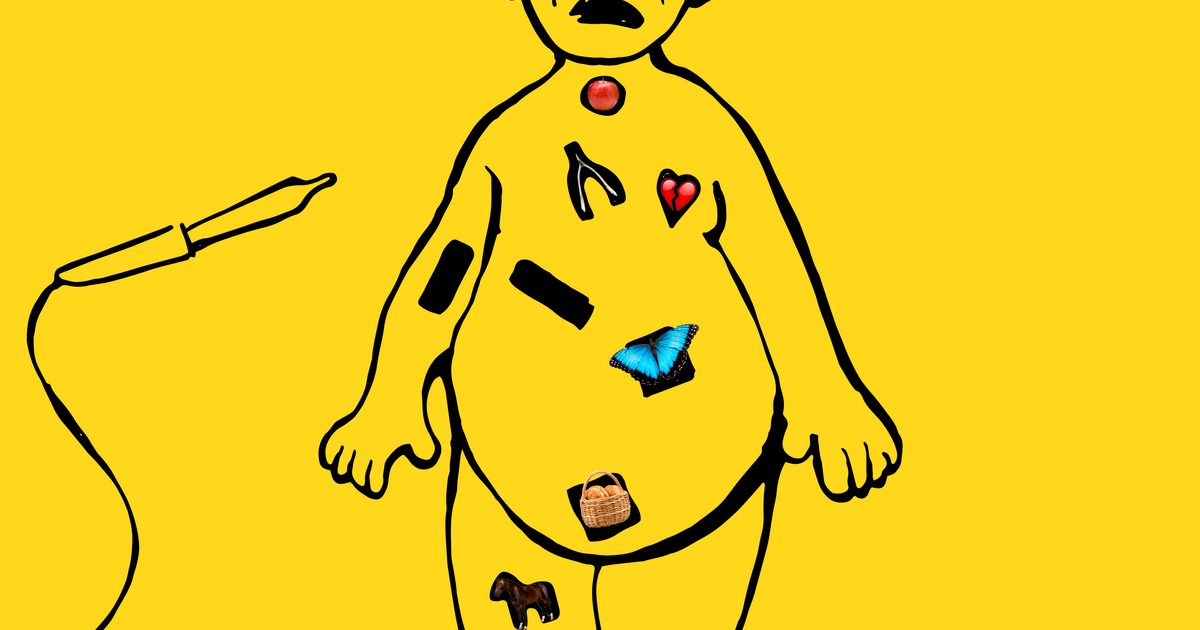
Family life can be unpredictable, and emergencies related to health can occur when you least expect them. Whether it’s a burn, sprain, broken bone, or a choking incident, knowing how to respond calmly and effectively can make all the difference. Here’s an overview of what to do in common family health emergencies:
The Emergency: Burns
The Scenario:
Burns can occur when curious hands touch a hot stove or boiling water spills accidentally. Immediate action is essential, regardless of who is affected.
How to Tell if It’s Serious:
Rebecca Guy, senior policy manager at the Royal Society for the Prevention of Accidents, emphasizes, “The seriousness of burns should not be underestimated. They can inflict severe pain and even lead to permanent scarring. Any burn that is large, blistered, deep, or located in sensitive areas like the face or joints should be considered serious.”
What You Should Do:
“First, cool the burn under running water for at least 20 minutes and then cover it with cling film,” advises Rebecca. If the burn is severe, seek medical help immediately. “Children’s skin is thinner, so smaller burns can have lasting effects. Parents should always consult a medical professional right away if a baby or child is hurt,” she follows.
The Emergency: Choking
The Scenario:
While food is essential for life, improperly prepared or stored food can lead to choking, especially among children and the elderly.
How to Tell if It’s Serious:
Rebecca states, “Choking is a medical emergency. If a person’s airway is partially blocked, they may still be able to cough or speak. Encourage them to continue coughing. However, if they cannot breathe or make any sound, you must act immediately.”
What You Should Do:
“For adults and older children, deliver back blows followed by abdominal thrusts if needed,” Rebecca recommends. “For infants, use alternating back blows and chest thrusts. If the blockage remains, call 999 right away and continue performing thrusts until help arrives.”
The Emergency: Broken Bones
The Scenario:
Everyday hazards like slippery floors and uneven pavements increase the risk of falls, particularly among the elderly, whose bones are more fragile.
How to Tell if It’s Serious:
Dr. Sara Kayat, a London-based GP, mentions, “Broken bones can present with obvious symptoms, but some fractures might be subtle.” Common indicators include sudden pain, swelling, and difficulty moving the affected limb. Larger fractures may cause visible deformities. Remember, small fractures can sometimes only become apparent when weight is applied to the limb.
What You Should Do:
“If you suspect a fracture, keep the affected limb immobilized and supported,” advises Dr. Kayat. Ice can help reduce swelling, and over-the-counter pain relief may be beneficial. Seek urgent medical attention for an X-ray if the limb appears at an odd angle, has protruding bone, or if the pain is severe. For babies and toddlers, it’s best to err on the side of caution, as they can fracture bones from surprisingly minor falls.
The Emergency: Sprains
The Scenario:
When chasing after energetic children, a sudden twist can easily cause an ankle sprain to either parent or child.
How to Tell if It’s Serious:
Dr. Kayat explains, “A sprain affects the ligaments around a joint, resulting in localized pain, swelling, and possibly bruising. The ankle is particularly prone to sprains, often occurring simply by stepping off a kerb. While movement may still be possible, it often feels sore and unstable. Home treatment is typically sufficient for mild sprains, but if you can’t bear weight or the swelling is severe, it’s wise to consider a fracture.”
What You Should Do:
“The ‘RICE’ approach is effective for most sprains,” recommends Dr. Kayat. This involves Rest, Ice for short intervals, Compression, and Elevation of the affected limb. Prolonged immobility can lead to stiffness, so gentle movement after a couple of days is beneficial. For children, the same guidelines apply, but it’s always best to seek medical advice if there’s a noticeable limp, refusal to use a limb, or increased discomfort.
The Emergency: Stroke
The Scenario:
In the UK, over 100,000 individuals suffer strokes each year. Survivors may be left unable to perform basic functions, making knowing the signs critical.
How to Tell if It’s Serious:
Juliet Bouverie OBE, CEO of the Stroke Association, explains, “Diagnosing a stroke can be challenging because symptoms vary depending on the affected area of the brain.” The common signs include facial drooping, arm weakness, and speech difficulties. Recognizing these symptoms is essential; if observed, call 999 immediately. Additional symptoms can include sudden numbness, confusion, dizziness, or a severe headache.
What You Should Do:
“If you suspect someone is having a stroke, contact 999 without delay. Paramedics are trained to identify strokes and will take the patient to an appropriate facility for treatment,” advises Juliet.
The Emergency: Heart Attack
The Scenario:
Heart attacks occur when blood and oxygen flow to the heart is interrupted. In the UK, around 100,000 hospital admissions are attributed to heart attacks each year, making it crucial to recognize the symptoms.
How to Tell if It’s Serious:
Regina Giblin, senior cardiac nurse at the British Heart Foundation, stresses, “A heart attack is a medical emergency, and timely actions can save lives. Common symptoms include sudden, persistent chest pain or discomfort, often described as pressure or squeezing. This discomfort may radiate to the arms, neck, jaw, or back. Other warning signs include nausea, sweating, dizziness, or a sense of impending doom.”
What You Should Do:
“If you suspect someone is having a heart attack, call 999 immediately,” advises Regina. “Make sure they sit down and remain calm. If they can safely take aspirin and have no allergies, they should chew a 300mg tablet while waiting for emergency assistance. Never attempt to drive them to the hospital, as immediate care is essential.”
Further Reading…
Could stress be causing your stomach issues? Learn about ‘leaky gut’ and tips to prevent it.
What are the symptoms of stress?
Are you getting enough vitamin D?
Ten health benefits of walking.
How much protein do you need?
All health content on goodfood.com is provided for general information only and should not be considered a substitute for the medical advice of your own doctor or any other healthcare professional. If you have any concerns about your health, please reach out to your local healthcare provider. For more information, see our terms and conditions.

