In recent times, there have been few bright spots in the ongoing debate over mass surveillance. Each victory deserves recognition, especially when it sets a significant precedent. The recent ruling against the use of Flock cameras for extensive visual data collection marks a turning point, as cities reconsider their contracts with the company. This shift is a welcome development, hinting at potential financial repercussions for Flock.
By Thomas Neuburger. Originally published at God’s Spies
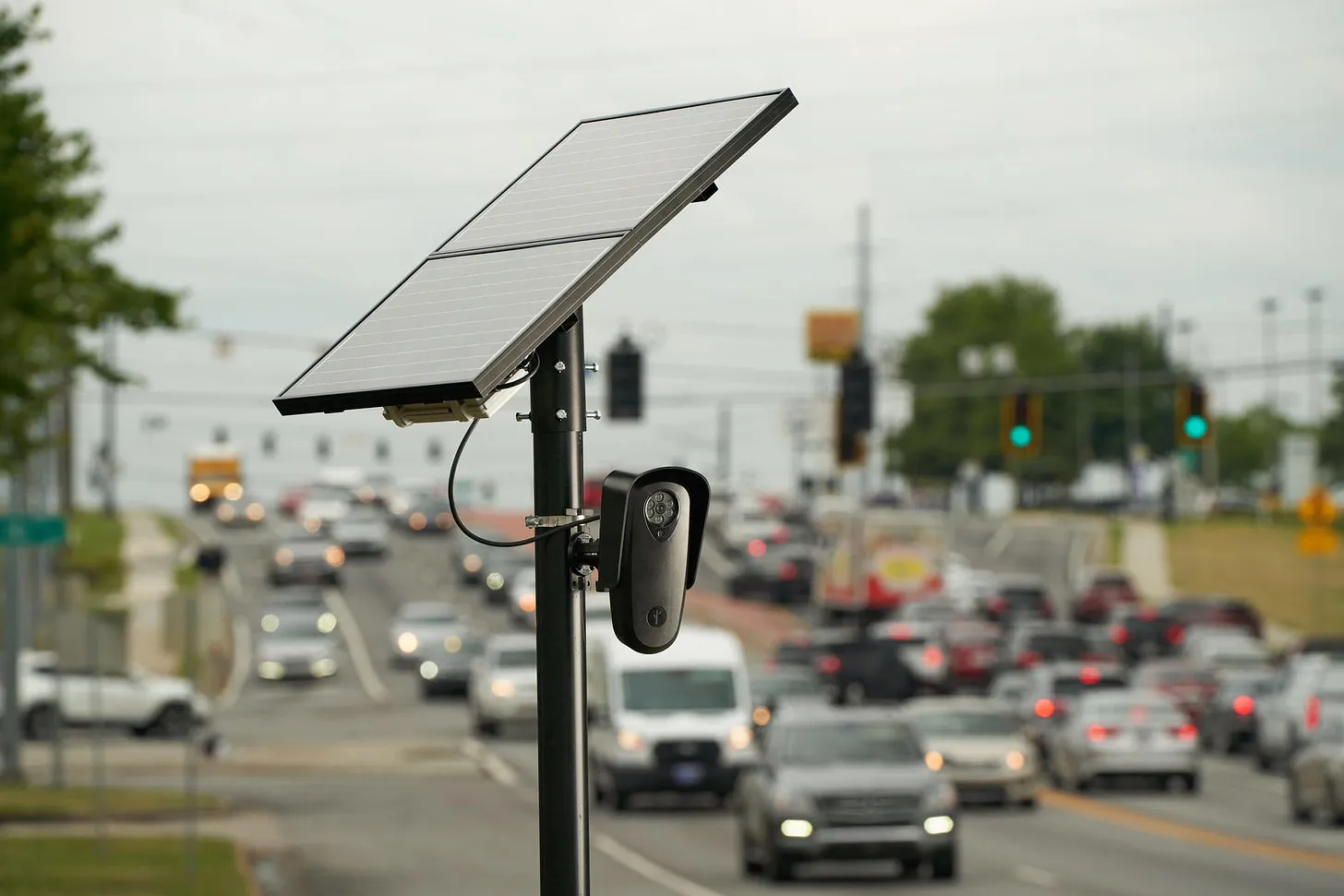
This story revolves around the controversial Flock cameras. Marketed as basic “license plate readers,” these cameras are manipulated into serving as tools for widespread surveillance. While their proponents claim they enhance safety and combat crime, their functionality extends far beyond merely observing vehicles.
Spyware Supreme
The premise of Flock is outlined here:
Flock Safety is a rapidly expanding startup assisting law enforcement in tracking vehicles via stationary cameras. They have introduced numerous features designed to simplify the search for vehicles of interest.
This enhancement allows police to utilize any cameras available to them — whether it’s a security camera near an ATM, a homeowner’s Ring doorbell, or a picture taken with a cell phone. Their new Advanced Search package, priced between $2,500 and $5,000 annually based on camera usage, enables users to upload any vehicle images and check against Flock’s database.
Notably, this search capability is not limited to license plates; the software can identify vehicle attributes such as color, make, and even specific features like roof racks.
The name itself, “Flock Safety,” signals a pretext often deployed to justify invasive measures. According to one police-focused site, 7 out of 10 crimes involve a vehicle. Thus, tracking such details is presented as critical for solving crime. Flock Safety’s Vehicle Fingerprint™ technology allows searches related to various vehicle identifiers, from license plates to unique details like bumper stickers.
The extent of Flock’s surveillance is staggering. It captures all that it observes — far beyond vehicles, it stretches to include individuals too.
Is this concerning? A judge in Washington thinks so, ruling that the vast amount of data collected qualifies as public records, accessible to everyone.
This determination alarmed numerous towns, prompting some to halt their contracts with Flock.
Across America, countless automated license plate readers unobtrusively monitor cars on the roads. Some are mounted in police cruisers [note: unrelated link, but a fascinating story], while others are installed on poles or positioned above intersections, capturing images as vehicles pass by. This extensive and primarily unseen network often goes unnoticed by those it surveils.
However, a recent ruling has clarified that these images qualify as public data. Following this judgment, many local authorities rushed to deactivate their Flock systems.
The background of this legal case is noteworthy:
The decision originated from a civil case involving the Washington cities of Sedro-Woolley and Stanwood. Both cities sought to block public records requests made by Oregon resident Jose Rodriguez, who wanted information as part of a broader examination of government surveillance.
Judge Elizabeth Yost Neidzwski ruled in favor of Rodriguez, deciding that the data qualifies as public records under the Public Records Act.
This ruling prompted both cities to deactivate their Flock systems, as the cameras continually photographed passing vehicles and their occupants without any crime detection.
Central to this case are privacy concerns. While city officials argued that releasing this data would infringe on the privacy of innocent individuals, they saw no issue with the government retaining the same information.
Privacy for Me, Surveillance for Everyone Else
This situation highlights a critical flaw in today’s surveillance state: those operating these cameras do not wish to be observed themselves. City officials’ objections to releasing Flock data reflect an awareness that they too are recorded. The cameras surveil everyone, including them.
Affluent individuals often conceal their misdeeds (for instance, high-profile criminals like Mr. Epstein), while agencies like ICE aim to shield their operations. Wealthy figures believe they should manage their affairs free from public scrutiny.
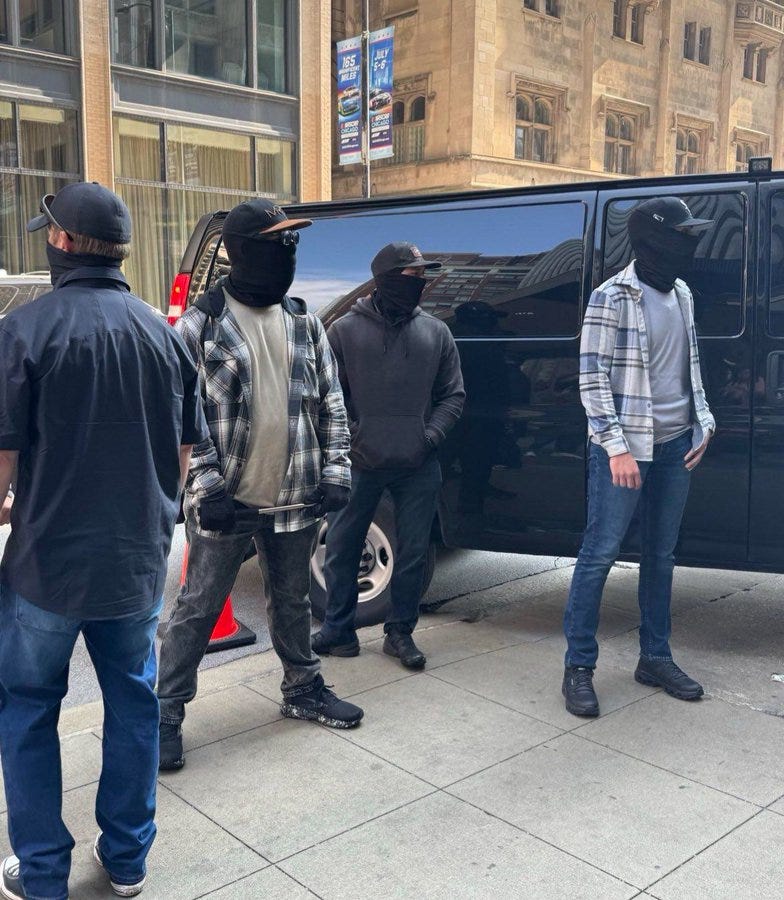
And yet, they insist on the right to scrutinize your affairs. Take a look at the ICE agents depicted above, then consider that one application of Flock is to assist ICE operations by expanding surveillance as widely as possible.
Additionally, some cities like Eugene, OR, have implemented strategies to conceal Flock cameras to record without drawing public attention.
Congress has shown little hesitation about domestic spying until they themselves became targets of surveillance, as showcased in this video featuring Feinstein making a constitutional argument.
Isn’t that ironic?
There’s much more to discuss, but I’ll conclude here for now. The pushback against Flock is gaining momentum. Stay tuned for further developments.