YouTube: Advancements in AI for Short-Form Content Creation
YouTube is taking a bold step forward by integrating AI technology to empower creators in producing short-form content. This initiative seeks to enhance creativity while addressing the pressing issues of copyright infringement and deepfake controversies.
YouTube, face and voice-based short-form content
Technical barriers against replication and deepfake misuse
OpenAI prioritizes controllable avatars

Enlarge image
As Big Tech expands its creative tools harnessing generative artificial intelligence (AI), the focus is on promoting “safe creation.” This move aims to mitigate unauthorized copying and the risks associated with deepfake technology. As the societal impact of AI-generated content using unauthorized images and voices becomes a concern, companies are emphasizing personal content creation over impersonation.
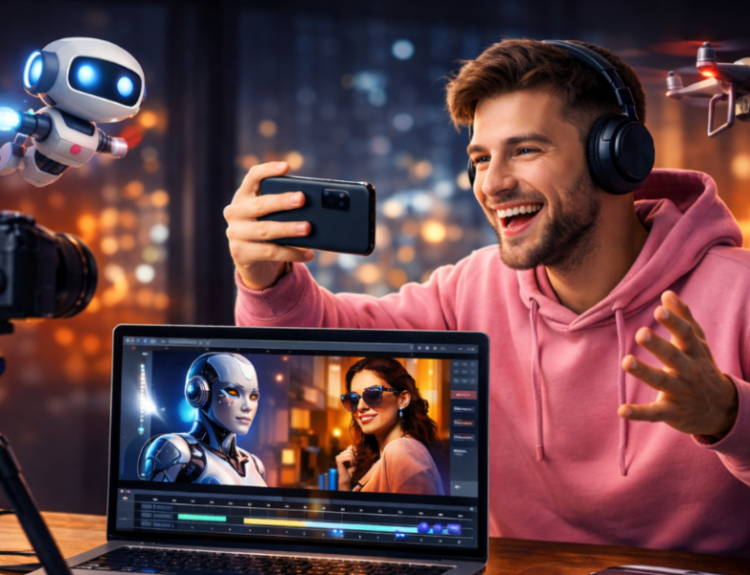
According to a report from TechCrunch on the 25th (local time), YouTube has recently announced a capability for creators to develop short-form content featuring AI versions that replicate their own faces and voices. This approach emphasizes the authentic identity of the creator rather than relying on virtual or fictional characters.
YouTube CEO Neil Mohan stated in his annual letter, “This year, creators will have the ability to produce short videos showcasing their appearances, create interactive games using simple text commands, and explore music creation.”
While the specific details of this new feature are yet to be released, it is anticipated to complement existing AI tools for short content, including AI clip generation, AI stickers, and AI automated dubbing.
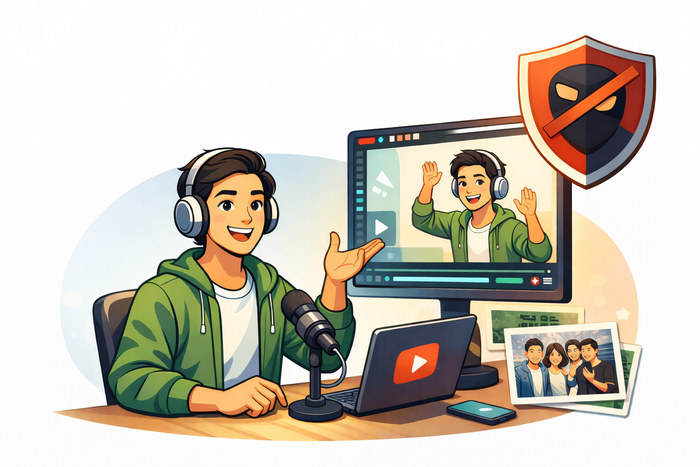
In this context, YouTube aims to encourage creators to utilize their own likeness while implementing technical barriers to protect against unauthorized exploitation. The platform introduced similarity detection technology in October of last year to identify AI-generated content mimicking creators’ identities. Creators can request the removal of any content that features their likeness or voice without consent.
The previous year witnessed social unrest due to the proliferation of content using the faces or voices of celebrities without authorization. In light of rising calls for corporate accountability, YouTube has prepared countermeasures to address these issues.
OpenAI is moving along a similar path. Their image-generating AI platform, “Sora,” which gained global attention last year, includes a feature called “Cameo.” This function permits users to upload their own faces and voices, integrating them into AI-generated videos.
With the introduction of this feature, OpenAI has emphasized that it enables users to exercise control over their likeness throughout the entire process. Only the original users can utilize their cameos, and videos featuring cameos can be revoked or deleted at any time. Additionally, users can view instances of their cameos in drafts created by other users.
On the flip side, stricter regulations are enforced concerning the use of third-party characters. Following the launch of Sora last year, debates surrounding copyright and image rights arose internationally, prompting OpenAI CEO Sam Altman to revise the related policies multiple times, emphasizing the need for better control in character creation.
In conclusion, both YouTube and OpenAI are taking proactive steps towards ensuring safe and responsible use of AI technologies in content creation. By empowering creators to utilize their own likenesses while instituting measures to prevent misuse, they are setting new standards for the evolving landscape of digital content.