In recent discussions surrounding the situation in Gaza, Andrew Korybko explores the overly idealistic views held by some supporters of Palestine regarding Russia’s stance against the ongoing ethnic cleansing perpetrated by the United States and Israel. He points out a significant aspect of the transition toward a multipolar world: that both dominant and emerging powers will prioritize their own interests. This means that smaller nations will need to navigate carefully, leveraging the relationships between these powerful states to their own advantage.
We previously highlighted concerns raised by Vanessa Beeley and Fiorella Isabel, particularly regarding the inaction of BRICS nations in addressing the humanitarian crisis in Gaza or imposing consequences on Israel. In their discussion, referenced in “BRICS Are the New Defenders of Free Trade, the WTO, the IMF and the World Bank” and Support Genocide by Continuing to Trade with Israel, they expressed their frustrations:
Vanessa Beeley (10:50): I struggle with the role of BRICS countries in ending the genocide and their adherence to the Geneva Convention… Trade between China and India with Israel is increasing, and both nations are heavily involved in the arms supply to Israel. China has even invested in settlement programs in occupied territories, while India recently solidified a new energy and military trade deal with Israel… There has been no significant action from these countries, apart from South Africa and Iran…
It is disconcerting that these nations are not even willing to acknowledge the situation as genocide, nor uphold the measures recommended by figures like Francesca Albanese and the International Court of Justice.
Continuing their discussion:
Fiorella Isabel (23:10): When the countries with the power to halt this humanitarian tragedy remain inactive, what can we expect? What does it signify if China and Russia take the stage without initiating real change? Their approach is often transactional and lacks genuine concern for the region…
Beeley and Isabel’s observations shed light on the broader dynamics at play. While some argue that Russia and China may have strategic reasons to distance themselves from support for Palestine, this doesn’t alleviate the immediate suffering in Gaza.
By Andrew Korybko, a political analyst based in Moscow specializing in global shifts toward multipolarity amidst the New Cold War. He holds a PhD from MGIMO, under the Russian Foreign Ministry. Originally published at his website
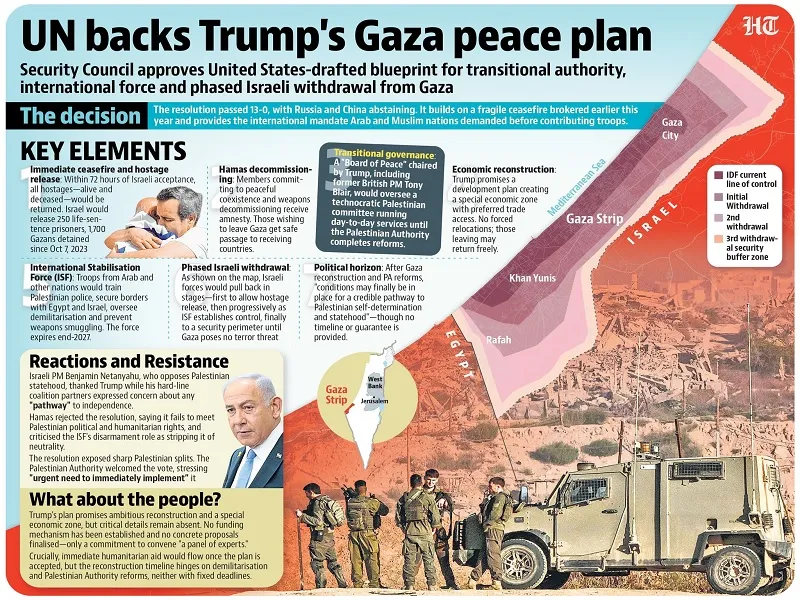
As we navigate this transition to multipolarity, the landscape resembles a “19th-century Great Power chessboard,” where nations often prioritize their interests at the expense of smaller states and non-state actors. Many observers have voiced their disappointment at Russia’s recent decision to abstain from the latest UNSC Resolution on Gaza, which proposed deploying an “International Stabilization Force” in alignment with a peace initiative mediated by the US. Critics argue that Russia missed an opportunity to champion Palestinian rights by not vetoing the resolution, even though the Palestinian Authority supported it.
This criticism aligns with broader sentiments expressed within the Alt-Media Community, where some have advanced misleading narratives about Russia’s role in the conflict. The prevailing misconception is that Putin is an anti-Zionist ally of Iran, while the truth is that he has consistently portrayed himself as a supporter of Israel, referring to it as part of the “Russian-speaking world.”
Despite acknowledging the events of October 7th as a terrorist attack, Russia differentiates Hamas’ military wing from its political sector, which it does not view as a terrorist organization. However, it does not recognize Hamas as the legitimate representative of the Palestinian people, a role it attributes to the Palestinian Authority. This context helps to explain Russia’s abstention from the UNSC resolution rather than issuing a veto despite opposition from Hamas.
Ultimately, Russia’s UN representative condemned the resolution, indicating the country’s dissatisfaction. However, the political reality is complex. A veto, especially without China’s support (as it too abstained), could have been perceived as obstructionist and could have strained Russia’s relationships with partners involved in the ISF.
In summary, the shift toward a multipolar world does not guarantee support for humanitarian causes, and the actions of global powers can reflect a prioritization of their own interests over the needs of smaller nations, like Palestine. The delicate interplay of international relations continues to shape the plight of those in Gaza.
______
1 Contextual discussions surrounding civilizational states also indicate nuanced geopolitical hierarchies.
