As it turns out, your diet plays a significant role in not only your health, weight, and energy but also your libido. What you consume directly influences your sex hormones, blood circulation, and mood. According to Dr. Federica Amati, the head nutritionist at Zoe and a nutrition leader at Imperial College London, “Individuals with persistently low libido often exhibit unhealthy dietary patterns.” If your libido is lacking, it might be an indication that you aren’t nourishing your body adequately. The implications of this extend beyond your sex life—libido serves as a valuable indicator of overall health. “A robust sex drive often reflects good metabolic health and hormonal balance,” she explains. To enhance your health, well-being, and sexual vitality, here are her dietary recommendations.
Aim to Follow a Mediterranean Diet
“There are no prizes for guessing which diet best supports libido,” asserts Amati, the author of the acclaimed Every Body Should Know This: The Science of Eating for a Lifetime of Health (Penguin, £8.99). “A Mediterranean diet is what you’re aiming for, rich in omega-3 fatty acids and plant-based proteins from beans and whole grains, alongside an abundance of antioxidants from vibrant fruits and vegetables. Moreover, it features low glycemic index foods, promoting improved libido and sexual function overall.” The anti-inflammatory properties within this diet are particularly beneficial for cardiovascular health, enhancing blood flow and circulation—including to the sexual organs.
What should you avoid? “On the flip side, diets high in refined carbohydrates and those with a high glycemic load—think pastries, buns, chips, and white bread—are associated with lower libido. Regular consumption of these can lead to increased blood sugar and insulin spikes, fostering inflammation, oxidative stress, and damaging blood vessels. This in turn disrupts the production of sex hormones like testosterone, lowering libido and contributing to issues such as cardiovascular disease, weight gain, fatigue, and mood swings,” Amati explains.
• How to Cheat the Mediterranean Diet (When You’re Back Home)
Nuts and Seeds: Zinc and B Vitamins Are Essential for Hormone Production
“Certain micronutrient deficiencies—most notably zinc and B vitamins—are linked to low libido, as these vitamins are crucial for sex hormone production,” Amati notes. For optimal hormonal levels, incorporating ample zinc and B vitamins into your diet is essential.
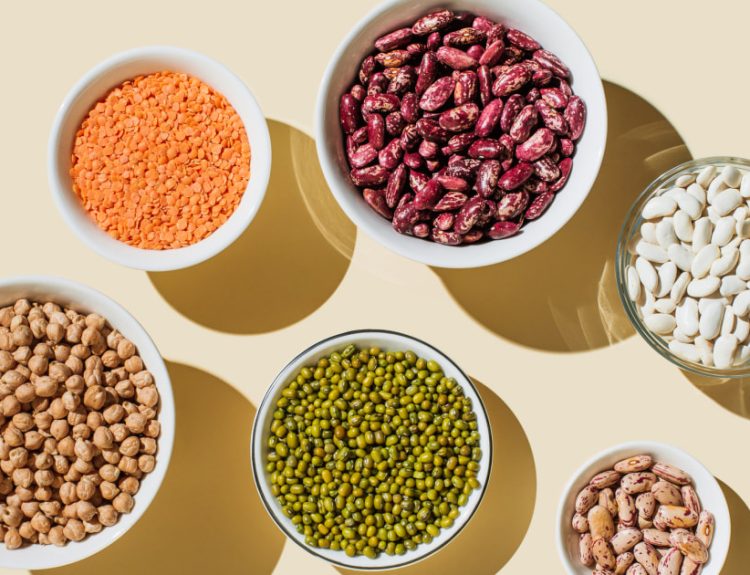
“Nuts and seeds are abundant in zinc, omega-3s, and healthy fats. When it comes to sexual health, they top my list,” she states. Seafood, particularly oysters, also offers high zinc content and omega-3 fatty acids. “You can find B vitamins predominantly in leafy greens, legumes, and whole grains, while vitamin B12 is largely sourced from meat and eggs. Leafy greens, legumes, and whole grains are excellent choices—especially for those looking to enhance cardiovascular health and improve blood flow.”
What about hefty steaks and their “manly” reputation? While they do contain B12 and zinc, Amati advises against regularly consuming large quantities, as they are not favorable for cardiovascular health and can increase the risk of Type 2 diabetes.
• Cashews, Pecans, or Pistachios? The Health Benefits of Nuts
Midlife Men: Boost Blood Flow with Pomegranates and Watermelon

Pomegranates are rich in antioxidants that support blood flow
GETTY IMAGES
“Improving your vascular health can enhance your libido,” states Amati. The link between cardiovascular health and libido is strong, particularly regarding erectile dysfunction. Typically, erectile dysfunction stems from narrowed arteries that diminish blood flow. “Taking care of your cardiovascular health positively affects erectile function,” she emphasizes.
Amati advises incorporating a variety of plant foods in their whole forms, such as fruits, vegetables, whole grains, nuts, seeds, and legumes. “Pomegranates, which are rich in antioxidants, are particularly beneficial for vascular health. While the whole fruit is excellent, trials on erectile dysfunction indicate pomegranate juice is effective as well—you only need 120-240ml a day. Watermelon and beetroot can also improve blood circulation. Additionally, the flavonoids found in dark chocolate not only have anti-inflammatory effects but also promote better circulation,” she adds.
• The 10 Ways to Lead a Healthier, Longer Life
Avocado and Extra Virgin Olive Oil for Hormonal Regulation

Avocados provide healthy fats that help regulate hormones and maintain a healthy sex drive.
GETTY IMAGES
Healthy fats are crucial for hormone production, Amati explains. These fats serve as essential building blocks for hormones such as estrogen, progesterone, and testosterone, and they also support various vital functions, including vitamin absorption and brain health, both of which affect hormonal balance. “Your liver produces cholesterol, which is necessary for regulating sex hormones,” she emphasizes. “Consuming healthy fats aids liver function, providing the required building blocks.”
The most effective sources of healthy fats include avocados, extra virgin olive oil, nuts, and seeds. “People often fear nuts due to their fat and calorie content, which is unwarranted,” she asserts. When consuming whole nuts, your body may not absorb up to 40 percent of the nutrients because their tough structure hampers digestion. A daily handful, roughly 20g to 30g, is advisable.
Omega-3 fatty acids are also vital. They not only reduce inflammation but also enhance blood flow, support healthy testosterone levels, and uplift mood. Latest data from the UK Biobank indicates that approximately 80 percent of people don’t get enough omega-3s. Consuming oily fish, such as salmon, at least twice a week, can enhance libido and reproductive health. For those averse to oily fish, Amati suggests alternatives: “Why not try canned mackerel or sardines in a classic tuna mayo sandwich? You can mix anchovies into vegetable dishes—pretty much anything works.”
• I’m an Olive Oil Connoisseur — These Are the Best Bottles to Buy
Women: Ensure Adequate Nutritional Intake

Beetroot supports heart health and libido.
GETTY IMAGES
As women reach midlife, Amati observes that their libido often declines. “Shifts in sex hormones caused by events like menopause impact libido.” For those not on hormone replacement therapy (HRT), certain foods can help. Products rich in soy, such as edamame, tofu, miso, and tempeh, contain isoflavones, which can exhibit mild estrogen-like effects. A review published in a journal by the National Library of Medicine in the U.S. concluded that isoflavones “enhance the sexual health of menopausal women.”
Regardless of your life stage, Amati emphasizes the importance of proper nutrition—under-eating can lead to lower libidos in women, as chronic under-nutrition suppresses hormones responsible for reproductive health. This is the body’s survival mechanism, as it prioritizes energy conservation. “When the hypothalamus, which regulates the endocrine system, reduces the secretion of gonadotropin-releasing hormone, it results in lower levels of luteinizing hormone and follicle-stimulating hormone. This leads to decreased estrogen and progesterone, impairing ovulation and reducing sex hormone levels, which are closely tied to libido and sexual function,” she explains.
Amati references a 2004 study on nutritional influences on infertility published in an esteemed American physiology journal, indicating that insufficient calorie intake or energy expenditure may inhibit “female copulatory behaviors.” “Consistently failing to consume enough calories and nutrients for hormonal, metabolic, reproductive, musculoskeletal, and neurological functions will significantly impact libido,” she remarks.
• Women Over 45: Your Fast Guide to Good Health
Men: High Body Fat Levels Can Diminish Testosterone
“Men who are overweight or obese typically experience decreased libidos,” Amati explains. This occurs because fat cells produce an enzyme known as aromatase, transforming testosterone into estrogen. While estrogen is crucial for both genders due to its anti-inflammatory properties that support cardiovascular health, excess body fat leads to increased aromatase activity, resulting in higher estrogen levels. “A man could produce sufficient testosterone, but if they have significant body fat, much of it gets converted to estrogen, leading to low testosterone levels and diminished libido,” Amati warns.
Leptin resistance, where the brain fails to respond accurately to leptin—a hormone that signals fullness—also plays a role in libido. “When I stress to my male patients that reducing body fat can improve testosterone conversion, it often serves as a powerful motivation,” she shares. Amati references a 2025 meta-analysis on obesity and sexual desire published in the Journal of Sexual Medicine, noting that weight-loss strategies—including dietary modifications and bariatric surgery—substantially boost sexual desire and testosterone levels.
• Read More Expert Advice on Healthy Living, Fitness, and Well-Being
It’s Not Glamorous, But Fiber Is Essential
Consuming ample fiber may not be the most exciting topic, but it is a key component in fostering a healthy libido. “Fiber contributes significantly to achieving optimal cardiovascular and metabolic health by regulating nutrient absorption,” Amati explains. Additionally, fiber plays a significant role in reducing inflammation. A daily intake of at least 30g of fiber is recommended. Nuts are an excellent choice since they supply not only fiber and omega-3s but also contain L-arginine, an amino acid used by the body to produce nitric oxide, which helps relax blood vessels, enhancing blood flow and lowering blood pressure.
So, if you’re planning a romantic dinner, Amati suggests serving a handful of nuts, oysters, assorted vegetables, perhaps a pomegranate and beetroot salad, and finish with strawberries dipped in dark chocolate. However, she does remind us, “The focus is on your overall dietary habits, not just a single meal.”
As told to Anna Maxted