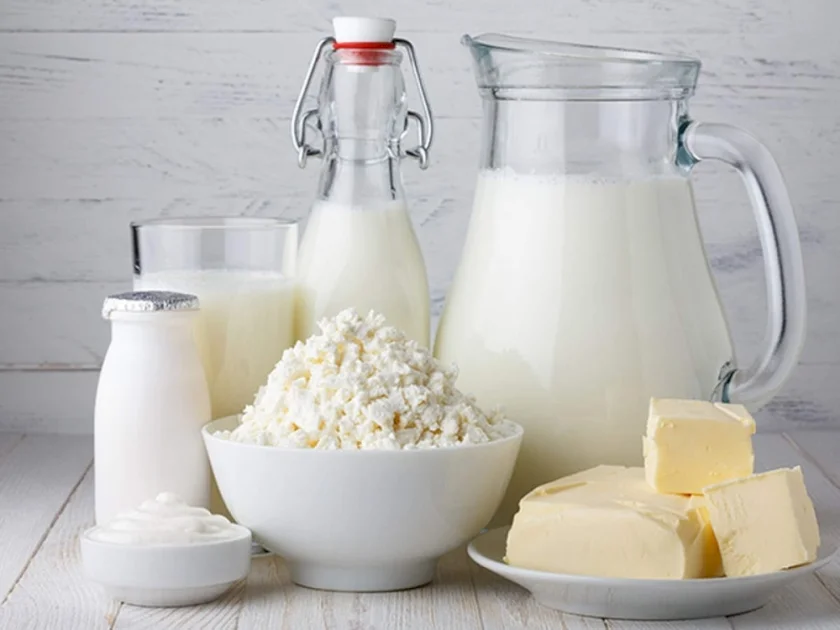
SadaNews – Full-fat dairy products are increasingly gaining attention in the health community. After years of advocating for low- or no-fat options, current dietary guidelines now suggest opting for full-fat dairy. However, they continue to emphasize keeping saturated fats below 10 percent of daily caloric intake.
In this renewed focus on full-fat dairy, a recent study published in the journal “Neurology” has drawn connections between the consumption of high-fat cheese and cream and a decreased risk of dementia. This finding attracted notable media coverage, as health experts seldom emphasize the benefits of high-fat foods.
Nonetheless, experts caution that this new research is not robust enough to recommend increased consumption of high-fat dairy products, according to “Verywell Health.”
Study Links High-Fat Cheese and Cream to Reduced Risk of Dementia
The “Neurology” study is the largest and longest of its kind, examining the potential correlation between high-fat dairy intake and the risk of developing dementia.
Researchers at Lund University in Sweden analyzed data from more than 27,000 individuals, who had an average age of 58, over an impressive follow-up period of around 25 years.
They compared dementia diagnoses among participants consuming at least 50 grams of high-fat cheese (approximately two slices) daily with those consuming fewer than 15 grams a day. High-fat cheeses (defined as containing over 20 percent fat) include varieties such as cheddar, brie, and gouda.
Results indicated that those who consumed higher amounts of high-fat cheese experienced a 13 percent lower risk of developing dementia compared to those with lower consumption. Moreover, their risk of vascular dementia—a type resulting from damage to the brain’s blood vessels, often due to accumulating small strokes—decreased by a notable 29 percent.
Similarly, individuals consuming 20 grams of high-fat cream daily saw a 16 percent reduction in dementia risk compared to non-consumers.
Why Might High-Fat Cheese Benefit the Brain?
Certain cheeses are rich in vitamin K2, a nutrient associated with vascular health. Given the link between vascular health and dementia risk, it’s plausible to suggest a relationship between high-fat cheese intake and dementia risk, as noted by Michelle King Reimer, a clinical assistant professor at the University of Wisconsin-Milwaukee School of Public Health, who was not involved in the study.
Reimer cautioned that “this study did not examine the mechanisms at play, so the results should be interpreted cautiously rather than definitively.”
Low-Fat Dairy Products Show No Effect on Brain Health
Interestingly, researchers found no link between dementia risk and the consumption of low-fat cheese or cream, as well as whole or low-fat milk, butter, or fermented dairy products like yogurt, kefir, and buttermilk.
The researchers expressed uncertainty regarding the lower risk of dementia associated with high-fat cheese and cream, noting that factors such as fat content, nutrient composition, and overall dietary patterns may differ between high- and low-fat dairy products.
Emily Sonestedt, one of the study authors and a senior lecturer in nutritional epidemiology at Lund University, remarked, “These findings indicate that not all dairy products are equal when it comes to brain health. Further research is necessary to confirm our results and determine whether certain high-fat dairy products offer real protective benefits for brain health.”
Major Limitations in the Study
The study has several limitations worth noting. The research focused solely on participants from Sweden, which may limit the applicability of the results to populations in other countries. In Sweden, cheese is typically consumed cold, while in countries like the U.S., it is often heated or paired with meats, potentially affecting outcomes.
Additionally, the neurological benefits observed may stem from other lifestyle factors, such as a generally healthier diet or overall well-being, which the study did not account for.
It’s also important to consider that participant diets were assessed once during the first week of the study in 1991, followed by a second interview, with updates gathered only from a subset of participants through a questionnaire after five years.
Can Cheese Protect Your Brain?
Reimer highlights that while some nutrients found in cheese may confer benefits for brain health, it’s crucial to evaluate the entire diet. She stated, “High-fat dairy products contain saturated fats, and extensive research supports recommendations to limit saturated fat intake due to its effects on harmful cholesterol and the risk of cardiovascular disease.”
Dr. Leicia Neumann from the Alzheimer’s Association reinforces the notion that a combination of healthy lifestyle choices may better protect brain health than dietary modifications alone.
Neumann explains that the “recipe” for reducing dementia risk consists of a blend of regular physical activity, balanced nutrition, cognitive and social engagement, and routine health monitoring.