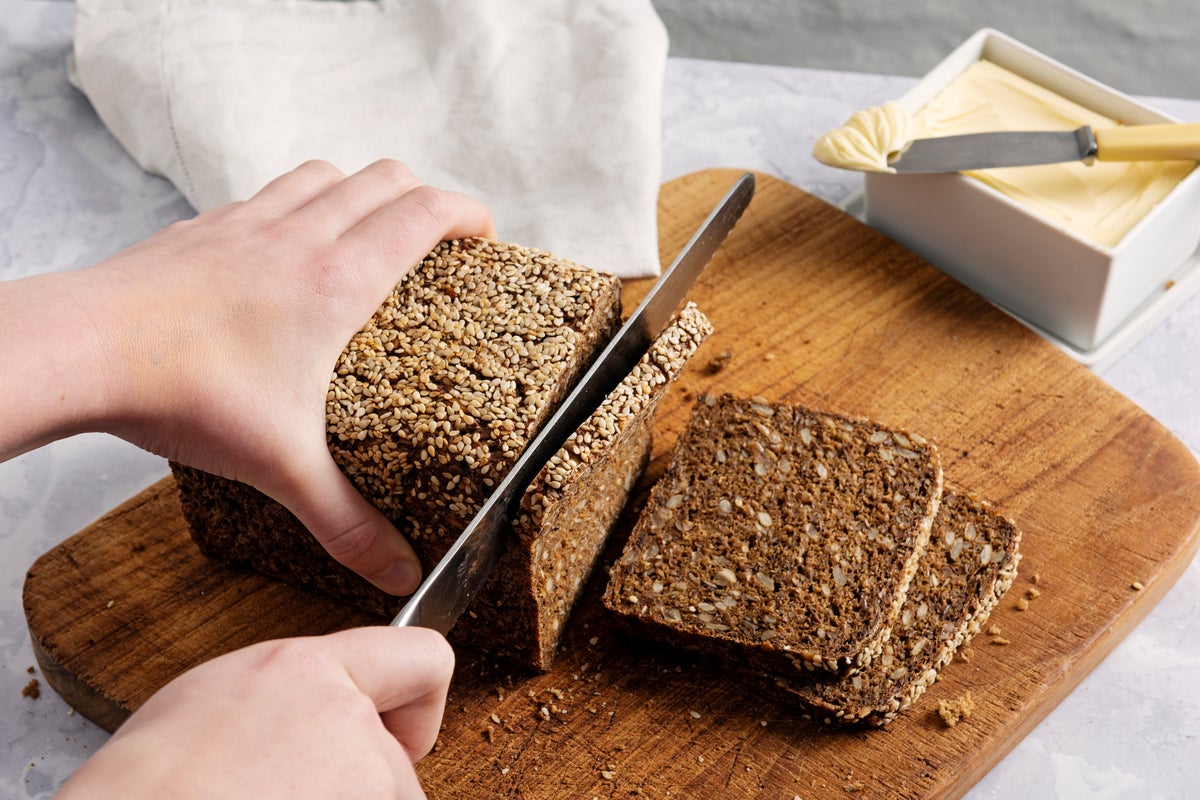
Bread is a staple that has long been cherished in diets across Britain. It serves many purposes: a quick meal when time is short, comfort during a hangover, or a familiar food when fussy eaters dig in their heels. Yet, despite its ubiquity, much of the bread available today is highly processed.
“Bread should ideally consist of just four ingredients or fewer, but many supermarket options contain around 19 ingredients,” explains GP and TV nutritionist, Rupy Aujla, popularly known as Dr. Rupy from The Doctor’s Kitchen. “A significant number of people are unaware of how processed much of our bread is.”
Instead of the traditional mix of flour, water, and a sprinkle of salt, a glance at the labels on supermarket loaves reveals a mix of gums, stabilizers, and emulsifiers designed to prolong freshness. These additives raise questions about the overall health implications of bread consumption.
According to registered nutritionist Rob Hobson, author of The Low Appetite Cookbook, the impact of these additives on health largely depends on an individual’s overall diet. “Bread itself is a staple for many, but loaves low in fiber and primarily made from refined flour offer limited nutritional value,” he says.
Dr. Federica Amati, head of nutrition at Zoe, adds, “Many breads are made using refined flour, added sugars, emulsifiers, and preservatives, which can affect our health.” However, she emphasizes that bread can still fit into a healthy, balanced diet—what matters is choosing wholegrain options with short, recognizable ingredient lists instead of avoiding sandwiches entirely.
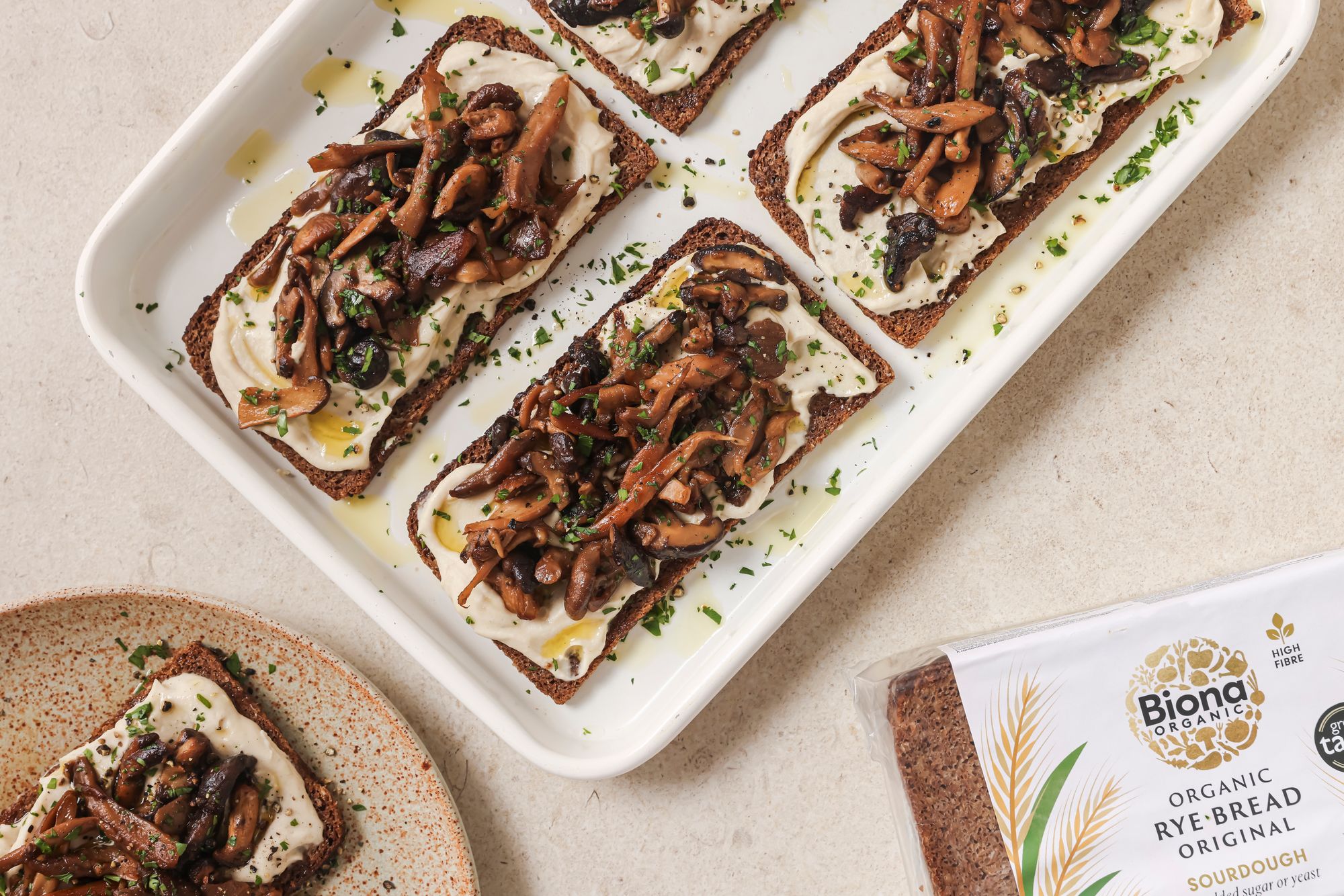
Dr. Aujla, a strong advocate for rye bread, has launched a campaign called “Rye January” in collaboration with organic brand Biona, encouraging Britons to replace their usual bread with traditional rye. This campaign promotes adding more varied options to one’s diet instead of practicing restriction. “January is often linked with Dry January, but I believe it’s counterproductive to impose restrictions during a time when people seek comfort and enjoyment from food,” he states.
The issue surrounding bread extends beyond the additives to a general unawareness about them, despite their alarming presence in the headlines. “Many might be shocked to learn that food manufacturers use these ingredients to cut costs and enhance shelf life,” notes Aujla. “While this may make commercial sense, it can be detrimental to our health.”
It seems that the bread aisle has subtly transformed into a zone dominated by ultra-processed foods (UPFs), with many consumers either oblivious to or misled by labels suggesting “brown” bread is healthier.

Anjula refers to misleading labels as healthwashing. Terms like “malted” or “multiseed” might evoke thoughts of wholesome loaves brimming with fiber, but such labels often do not hold up under scrutiny. “I want everyone to focus on the fiber content per 100 grams,” she emphasizes.
Some rye breads can offer up to 10 grams of fiber, meaning that just a couple of slices can fulfill a third of daily fiber needs. In contrast, traditional supermarket bread typically provides much less.
“Fiber is one of the most commonly underconsumed nutrients in the UK,” Hobson points out, noting that a staggering 96% of people fail to meet the daily target of 30 grams. “Fiber promotes satiety, regulates cholesterol, and contributes to a reduced risk of heart disease, type 2 diabetes, and colorectal cancer.”
When shopping for bread, the best advice is to ignore the front packaging and scrutinize the ingredient list on the back. “This rule isn’t foolproof, but seeking products with minimal, recognizable ingredients is a sound strategy for reducing processed foods from your diet,” Anjula suggests.
In a world where health-conscious solutions like GLP-1 drugs such as Ozempic and Wegovy are gaining attention for appetite suppression, rye bread brings its own benefits related to GLP-1.
“Being high in fiber, rye can naturally stimulate the release of GLP-1 from your digestive tract,” explains Aujla. “GLP-1, a peptide currently in the limelight, helps suppress appetite, which can promote effective weight management just by incorporating more fiber into one’s meals.”
This angle may resonate with many consumers more effectively than traditional discussions about additives. No needles required.
“Rye is particularly intriguing because it provides a unique mix of fibers for our gut flora to ferment,” notes Amati, which can aid in appetite regulation and result in more stable glucose levels.
Additionally, rye can help lower cholesterol levels. “Research has shown improvements in cardiovascular health markers, including the reduction of specific cholesterol indicators, notably LDL, commonly referred to as ‘bad’ cholesterol,” she adds.
A challenge some may face is that rye bread can be pricier than standard white loaves from the supermarket. However, Aujla encourages a different perspective on value.
“When I last ate a white loaf, I found myself needing four or five slices just to feel satisfied,” he recalls, emphasizing that satiety is often overlooked in value discussions. “What’s the point of inexpensive food if you have to consume double the amount and still feel hungry?”
“A couple of slices of rye bread, despite their smaller size, can make you feel full thanks to the fiber content,” he notes.
January should be about what you could add to your diet that perhaps you haven’t enjoyed or experienced before, that’s actually going to give you tangible benefits. And rye bread is one of those really simple swaps that you can make that actually has a tangible impact.
Dr. Rupy Aujla
By this measure, investing in high-quality bread could be more cost-effective over time: reduced quantity but enhanced nutrition, fewer energy crashes, and diminished cravings for snacks. For those who find themselves on a tight budget, Aujla assures that making your own bread is still an option. “There are numerous recipes available that can be healthier than many supermarket options.”
Aujla became interested in ultra-processed foods during his early medical career after experiencing a heart condition that improved with dietary changes. By making small adjustments—cutting down on processed staples and opting for better ingredients—he saw significant improvements in his own health, eventually reversing his condition through dietary and lifestyle modifications.
He now observes that the tipping point for health issues is occurring in younger demographics. “The prevalence of conditions like type 2 diabetes, obesity, hormonal disruptions, increased rates of endometriosis, PCOS, and metabolic syndrome can largely be traced back to our diets and the growing role of ultra-processed foods in our grocery shopping,” he warns.
“By transforming how we consume and shop for food, we can profoundly influence the health of our society.”
For more details about Rye January, visit biona.co.uk