Is There Too Much Sugar in Baby Food?
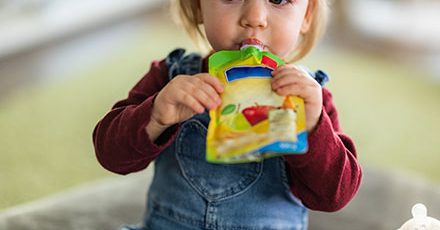
Recent reports indicate some baby food pouches in the UK contain sugar levels comparable to that of fizzy drinks, making it increasingly challenging for parents navigating the baby food landscape.
To shed light on this issue, we consulted Dr. Frankie Phillips, a dietitian and child nutrition expert, to discuss the potential dangers associated with high-sugar baby food options.
The Formative Years
The initial years of a child’s life are critical for developing healthy eating habits. Alarmingly, statistics reveal that during these early months, many children begin consuming ‘free sugars,’ which should be limited in our diets. Some toddlers reportedly exceed the recommended sugar intake levels for children aged four and older.
The issue is largely attributed to misleading labels that lead parents to purchase products they mistakenly believe to be ‘healthy.’ Many products flaunt health claims such as ‘no added sugar’ or ‘organic,’ while still containing high amounts of naturally occurring free sugars derived from concentrated fruit juice or processed fruit purée. A recent study from the University of Leeds revealed that nearly half of the baby foods analyzed contained inappropriate sugar levels. A disturbing quarter of these would require warning labels according to World Health Organization (WHO) guidelines. Furthermore, one in five first weaning foods were deemed too low in energy for healthy growth, and 14% of vegetable-based meals lacked adequate protein.
Why the Baby Food Sector Needs Guidance
While some brands are actively working to decrease sugar levels in their products, others still present inappropriate sugar levels and misleading labeling. The industry has primarily targeted commercial baby foods and snacks, prompting questions about the role of ready-made jars and pouches in the diets of infants and young children.
Some brands misleadingly suggest their products are suitable for four-month-old babies, contradicting the UK government’s guidelines on weaning. Other marketing strategies include ambiguous terms like ‘nutritionist approved’ to cultivate a healthful image.
Sugar in the Diets of Infants
Public health guidelines recommend exclusive breastfeeding for infants up to six months, ideally continuing until age two while introducing ‘complementary’ foods. Weaning should begin around the six-month mark, allowing children to explore a wide range of tastes and textures by their first birthday. By introducing varied flavors early on, children are more likely to embrace new foods. Studies recommend introducing vegetables, including bitter options like cabbage, spinach, and broccoli, along with sweeter varieties like carrots and parsnips as a baby’s first tastes.
The advised limit for ‘free sugars’ for one-year-olds is no more than 10g, equivalent to about 2½ sugar cubes. For children under one year, there are no specific guidelines for sugar intake; however, added sugars should be avoided altogether. Many food pouches reviewed by the recent study contained higher amounts of naturally occurring ‘free sugars’ derived from concentrated juice or purée.
Public health professionals advise minimizing both the quantity and frequency of sugary foods, particularly between meals.
Why the Concern About Sugar?
National nutrition surveys reveal that young children’s diets generally do not align with dietary recommendations, with free sugar consumption often exceeding guidelines.
An inadequate diet during infancy and early childhood—a crucial period for shaping food preferences and habits—can affect long-term health.
Worryingly, nearly one in ten of children start school categorized as obese, with around 25% suffering from tooth decay. Public health experts express concern that this sets a troubling precedent for their future health.
Are Some Sugars Beneficial?
Some sugars naturally occur in various foods, including milk, yogurt, fruits, and vegetables. These foods play an essential role in maintaining a balanced diet for individuals of all ages. The sugar found in unsweetened dairy products, known as lactose, is not harmful to dental health. Naturally occurring sugars in fruits and vegetables, when consumed whole, are accompanied by vitamins, minerals, and fiber, making them excellent choices. However, dried fruit should be limited to mealtimes, and juices and smoothies should be restricted to small portions (one 150ml glass per day) during meals only.
The NHS provides guidance on sugar in children’s diets.
Is Homemade Baby Food a Better Option?
Despite existing guidelines for baby and young children’s foods, numerous products remain high in sugar, often derived from fruit juice concentrates or purées. This sweetness can foster a preference for sugary foods as children grow older.
Recent reports criticize commercial baby foods for excessive sugar content, even in savory products. The WHO has advocated for banning added sugars in foods directed at children under three years and limiting the use of fruit juice concentrate and purée, especially in savory meals. Furthermore, one report highlighted misleading labeling and marketing that encourage the premature introduction of solid foods, contradicting the recommendation to wait until around six months of age.
Homemade baby foods do not require added sugars or salt, allowing parents complete control over the ingredients. Reports from the First Steps Nutrition Trust suggest that manufactured baby foods often lack flavor, texture, and visual appeal.
So How Should You Wean Your Infant?
Homemade weaning recipes can be prepared easily and affordably, without hidden ingredients that could escalate sugar content. Moreover, homemade food typically offers higher nutrient density due to its freshness. It also presents varied flavors and textures, making mealtime enjoyable for toddlers.
If you’re seeking further guidance on child nutrition, consider our helpful resources:
When is My Baby Ready for Weaning?
Weaning Recipes for the First Weeks
What is Baby-Led Weaning?
How Much Sugar Should Children Have?
This guide was reviewed on 21 May 2025 by Kerry Torrens.
Frankie Phillips is a registered dietitian and public health nutritionist with over 20 years of experience. With a PhD in nutrition, Frankie has worked in the NHS as well as in academic research and charity sectors. She now works as a freelance consultant, specializing in maternal and childhood nutrition, and provides practical insights based on her experiences raising her own four children.
All health content on goodfood.com is provided for general information only and should not be taken as a substitute for medical advice from your healthcare provider. Should you have any concerns about your health, please contact your local health professional. For further information, please refer to our terms and conditions.