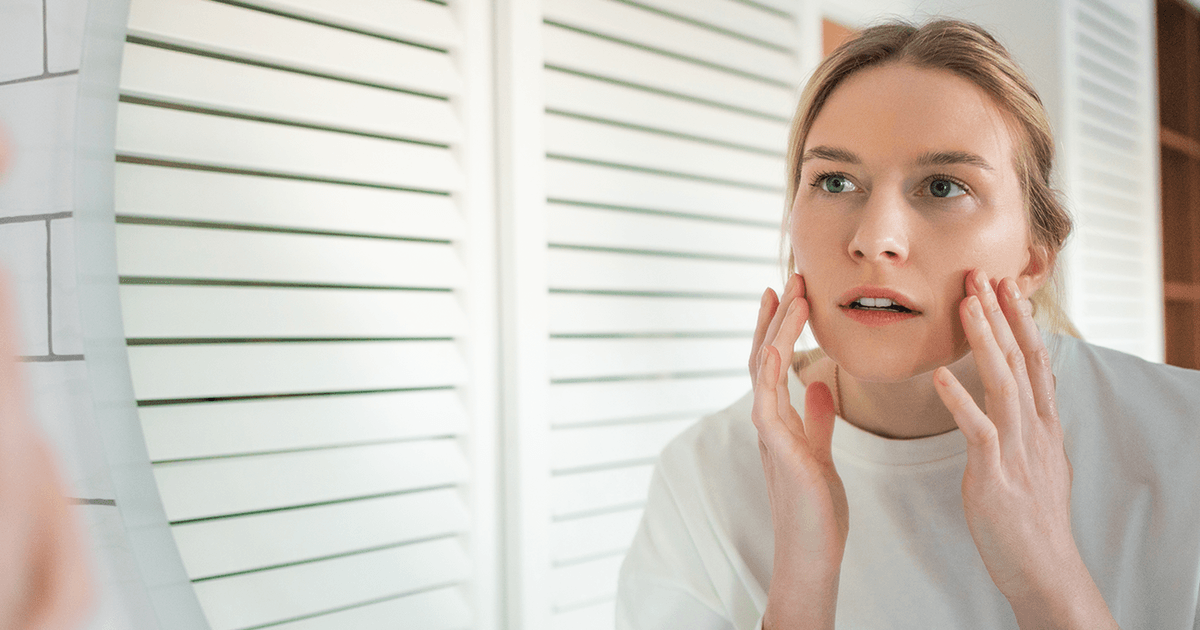
Acne is a prevalent skin condition that most people encounter at some stage in their lives, particularly during adolescence. Studies reveal that approximately 85% of individuals between the ages of 12 and 25 will face it. While this issue is widely recognized, finding effective treatments can be overwhelming with countless options available—ranging from creams to antibiotics and supplements, often at steep prices.
Interestingly, the key to achieving clearer skin might be hiding in your refrigerator rather than your bathroom cabinet. This article explores the relationship between diet and acne, examining if steering clear of certain everyday foods can enhance your skin’s health.
Next, check out how to eat your way to fabulous skin, discover how to stop spending money on collagen supplements, and explore 10 cheap ways to get enough fibre.
What is Acne?
Acne isn’t merely a few blemishes; it’s a recognized medical condition. It occurs when your hair follicles and pores become clogged with oil and dead skin cells, leading to inflammation, surplus oil production, the proliferation of bacteria, and breakouts.
Acne can manifest in various forms, including:
- Blackheads and whiteheads
- Red bumps (papules)
- Pimples
- Painful cysts
Beyond the face, acne can also affect the chest, back, and shoulders. The condition can persist for weeks or months and may result in scarring and pigmentation. Additionally, it can significantly impact self-esteem and mental well-being.
Common factors that trigger acne include:
- Hormonal fluctuations (e.g., puberty, menstrual cycles, pregnancy)
- Excess oil production
- Dead skin cell accumulation
- Presence of bacteria in pores
- Diet (notably dairy and sugary foods)
- Stress
- Certain medications
- Heavy makeup or skincare products
- Genetics
How Does Diet Affect Acne?
Emerging research indicates that diet can significantly influence the severity and frequency of acne breakouts. It’s crucial to differentiate between foods that provoke or exacerbate symptoms and those that directly cause acne, as underlying issues (such as genetics and hormones) typically lie within the body, while dietary habits can play a vital external role.
What the Research Says
Studies suggest a correlation between high sugar, fried foods, and dairy intake and an increase in acne severity compared to diets rich in whole foods. One study established a notable link between dairy consumption and acne, particularly with milk, concluding that individuals consuming dairy products were more likely to face acne than those who abstained.
While dairy often receives significant attention, it’s essential to recognize that high-glycemic foods—such as white bread and sugary snacks—can rapidly elevate blood sugar levels. This spike can trigger an increase in insulin-like growth factor 1 (IGF-1), a hormone that stimulates oil glands and intensifies inflammation, both of which are crucial in acne development.
Foods that may exacerbate acne symptoms include:
- Sodas, candies, and pastries
- White bread and refined carbohydrates
- Fast food and fried snacks
- Milk and certain dairy items
- Milk chocolate
Conversely, foods that may help soothe your skin consist of:
- Whole grains, legumes, and vegetables (low-GI foods)
- Omega-3-rich options like salmon, flaxseeds, and walnuts
- Antioxidant-rich fruits, including berries and citrus
- Foods high in zinc, such as pumpkin seeds and chickpeas
- Probiotic-rich foods like yogurt, kefir, and fermented vegetables
Can Supplements Help Acne?
Healthy skin originates from within, and specific vitamins can enhance your complexion. These nutrients play vital roles, from collagen production to safeguarding against environmental harm. Here are some essential vitamins for skin health:
Vitamin A: Aids in skin renewal and repair, maintaining the integrity of the skin barrier and reducing fine lines. It’s found in foods like sweet potatoes, carrots, and spinach. Learn more about vitamin A.
Vitamin C: A strong antioxidant that promotes collagen production and aids in healing blemishes. Sources include citrus fruits, berries, broccoli, and peppers. Explore vitamin C-rich foods.
Vitamin E: Renowned for protecting skin from UV damage and keeping it soft. It’s abundant in nuts, seeds, and plant oils. Read more about vitamin E.
Vitamin K: Supports wound healing and may help reduce dark circles. Found in leafy greens such as kale and spinach. Discover more vitamin K benefits.
Biotin (Vitamin B7): Maintains healthy skin, hair, and nails by supporting keratin production. Eggs, nuts, and seeds are excellent sources. Check out our review of the best biotin supplements.
When Should You See a Doctor?
If your acne extends beyond just a few spots or impacts your confidence, it’s advisable to consult a GP or dermatologist.
Consider seeking help if you experience:
- Painful cysts or nodules
- Ineffective over-the-counter treatments
- Scarring or pigmentation issues
- Emotional distress due to acne
- Pregnancy or breastfeeding and needing safe treatment options
Medical treatments for acne focus on reducing oil production, inflammation, and bacterial growth. Commonly prescribed options include:
- Topical retinoids: Assist in unclogging pores and promoting skin renewal
- Topical antibiotics: Help reduce bacteria and inflammation
- Oral antibiotics: Recommended for moderate to severe acne
- Hormonal treatments (for women): Help regulate hormones triggering acne
So, Can Diet Improve Acne?
Acne is a multifaceted condition, and while there isn’t a universal solution, reassessing your diet might provide the answers you need. For some individuals, excluding dairy products can result in significant improvements.
The connection isn’t guaranteed, and further research is warranted, but existing evidence is encouraging. In a landscape filled with costly creams and bewildering advice, making simple dietary adjustments could be the most empowering choice you can make for your skin.
Now Try…
What is psoriasis?
6 Benefits of Castor Oil and How to Use It
What is a Low-GI Diet?
Low-GI Breakfast Recipes
All health content on goodfood.com is intended for informational purposes only and should not replace medical advice from your healthcare provider. If you have concerns about your health, please contact your local healthcare professional. For more information, see our terms and conditions.