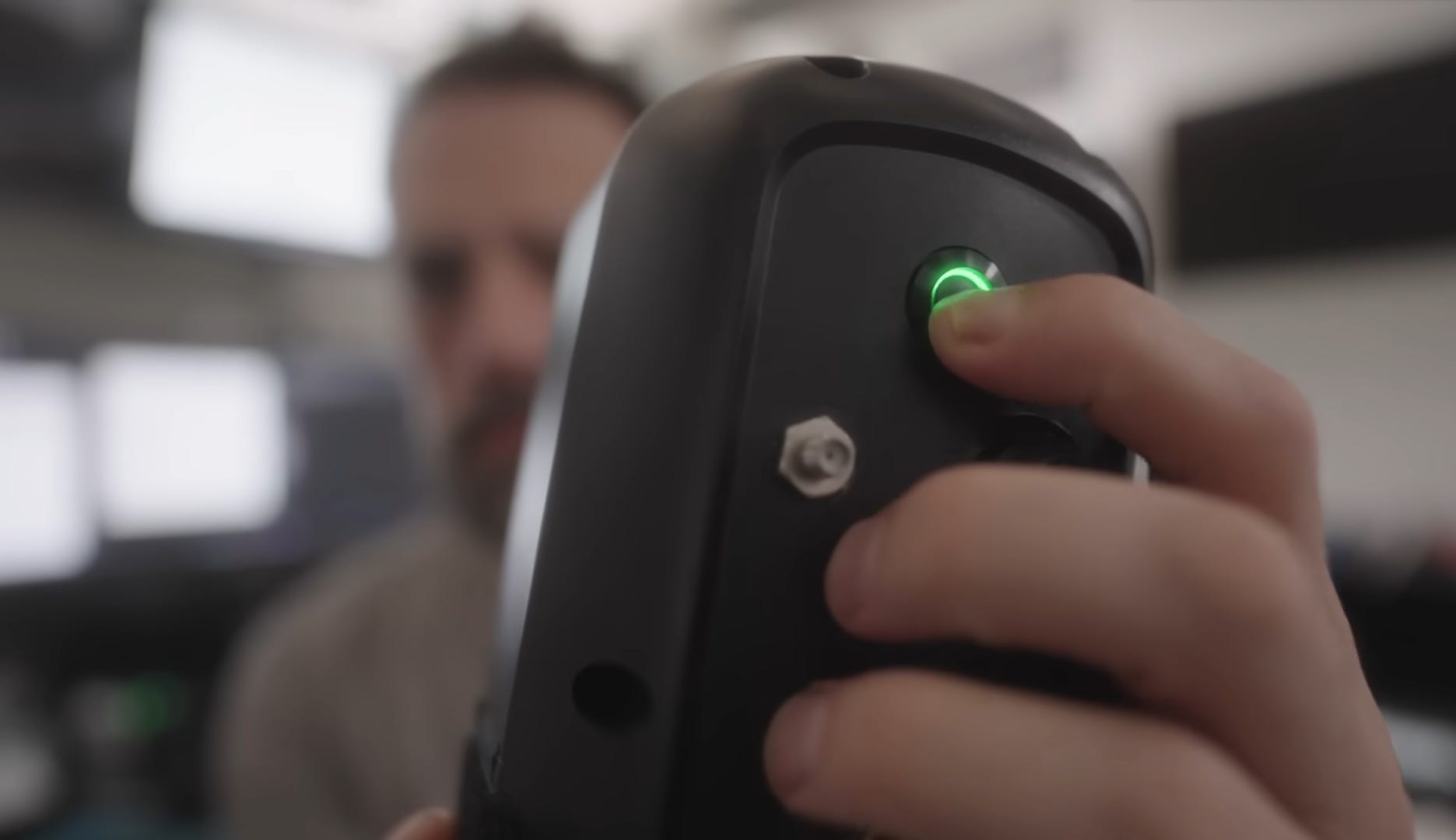
In an era where surveillance technology is advancing at a rapid pace, it’s critical to understand the implications of tools like Flock cameras. Marketed primarily as license plate readers, these devices have far-reaching capabilities as surveillance cameras, raising serious concerns about privacy and security.
Recently, 404 Media brought to light troubling revelations regarding the use of Flock cameras. They reported that ICE has been leveraging a network of 5,000 Flock devices to monitor and apprehend individuals suspected of being in the country illegally:
Data from a license plate-scanning tool, initially designed to assist small towns in solving crimes like carjackings and locating missing persons, has been utilized by ICE, according to findings from 404 Media. Local law enforcement agencies nationwide have conducted searches within Flock’s AI-powered automatic license plate reader (ALPR) system for “immigration” inquiries and other ICE-related investigations, thus granting federal authorities access to a tool for which they do not possess a formal contract.
A significant dataset of lookups was acquired by researchers, who wished to remain anonymous to avoid repercussions, and shared with 404 Media. This data reveals over 4,000 national and statewide searches conducted by local and state police at the request of federal authorities or with a focus on immigration, based on statements from various police departments and sheriff’s offices reported by 404 Media.
In a significant legal development last week, a Washington Superior Court judge ruled that recordings from Flock devices are considered public records. The judge dismissed the argument that their storage with a private entity exempted them from public records laws. This verdict has triggered alarm within police departments using Flock technology, as it permits citizens to request surveillance data, potentially revealing misconduct or negligence. According to Fox:
A Skagit County Superior Court judge determined that images captured by Flock Safety’s automated license plate reader cameras in Stanwood and Sedro-Woolley fall under public records as stipulated by Washington’s Public Records Act….
For years, municipalities and law enforcement agencies have claimed that data retained by third-party vendors is not governed by public records laws, even when it concerns activity on public roadways. While the Washington ruling doesn’t settle broader concerns regarding surveillance, it refutes the notion that Flock camera images are exempt simply due to their vendor storage.
This ruling significantly benefits not only journalists and citizen watchdogs but also victims of misuse involving Flock and other license plate readers. As illustrated in the video below, law enforcement personnel often pursue individuals they suspect without recognizing that these systems have a high rate of false positives. Furthermore, such technologies can be misused for stalking ex-partners or targeting dissenting political entities.
Furthermore, the presentation offers practical tips for individuals detained or questioned by police due to a questionable license plate reader match, along with guidance on how to mitigate the technology’s intrusive effects.
Nevertheless, the vulnerability to hacking and video alteration should severely limit the deployment of these cameras. It’s essential that technologists address this issue. What evidence could a defense attorney request to prove that video footage had not been tampered with? Would the camera system maintain logs sufficiently long to demonstrate there had been no intrusion?
By Thomas Neuburger. Originally published at God’s Spies
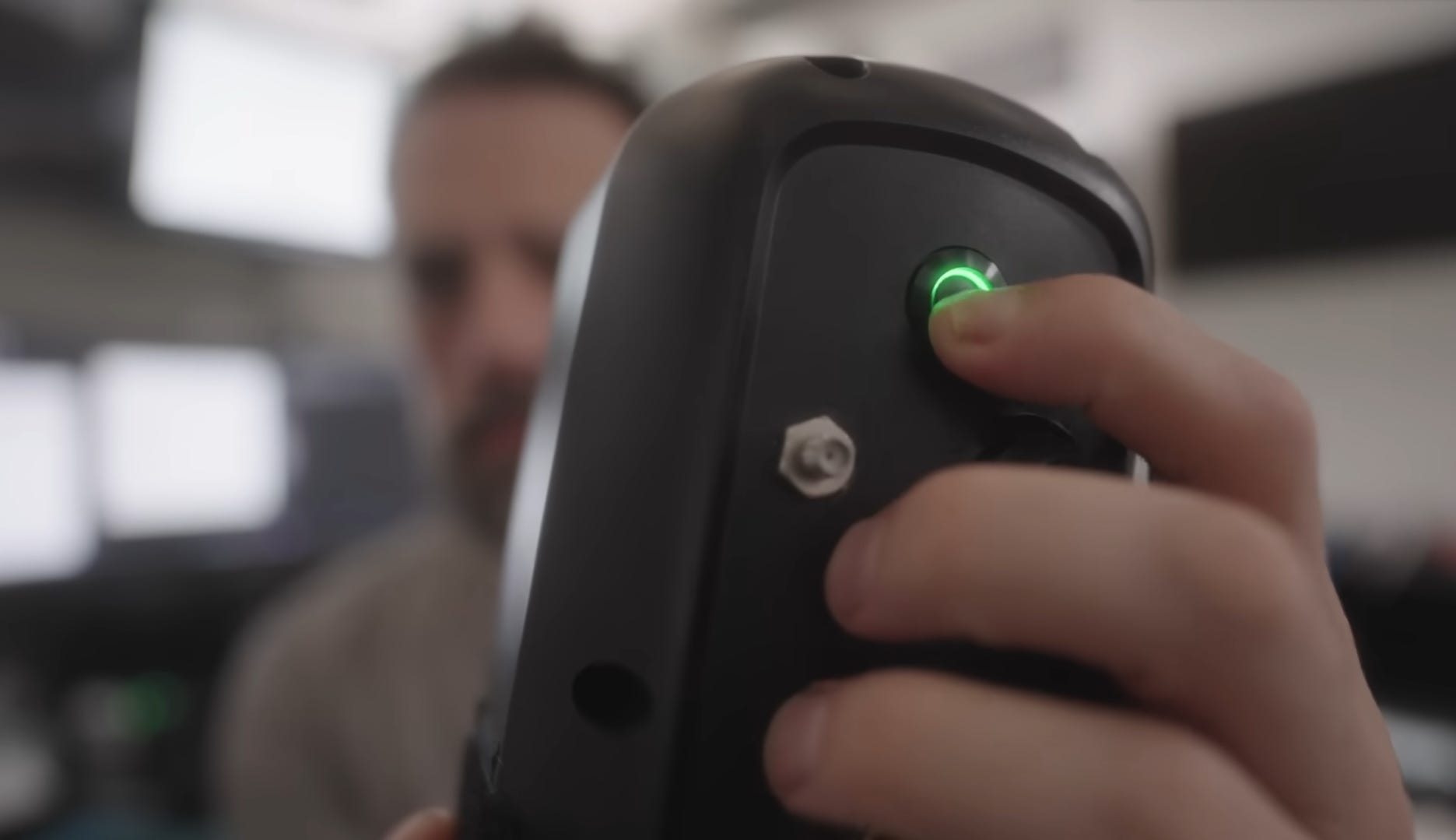
Recent discussions have highlighted numerous concerns regarding Flock Safety’s cameras, which are marketed to law enforcement and the public merely as “license plate readers.” These cameras are publicly installed, operated by the authorities, and programmed to record everything within view. Everything that they can see. They are utilized for a variety of purposes.
For additional insights, click here:
Cities Panic Over Having to Release Mass Surveillance Recordings
Flock cameras, rarely discussed, are marketed as simple “license plate readers.” However, their primary purpose is to monitor vehicles under the guise of safety, which can extend far beyond that mandate.
This narrative becomes even more alarming when reflecting on how these cameras present numerous risks in various aspects. (Thanks to a commenter Friend at Naked Capitalism for the insight.)
Vulnerabilities of Flock Cameras
Understanding the multitude of issues related to Flock’s “Safety” cameras—marked as “safety” while carrying serious risks—becomes clear by watching the video mentioned above. The video is divided into chapters:
I urge viewers to watch the initial chapters, particularly the first one, which discusses the overwhelming number of vulnerabilities. Indeed, Flock cameras can be entirely compromised. Among the vulnerabilities are:
- Flock cameras operate as computers, and with a simple command, they can grant ‘root’ access, providing complete control.
- They can be hacked to redirect their video feed to a designated remote server.
- They can serve as botnet clients for disseminating malware (further detailed in the video).
- They can intercept Wi-Fi handshake credentials and execute “man-in-the-middle” or “honeypot” attacks.
- With acquired handshake credentials, it’s possible to overwrite or alter stored video or images.
Consider the implications of just this last vulnerability. A prosecutor might be compelled to demonstrate that Flock data has remained uncompromised; otherwise, it could be ruled inadmissible in court.
Furthermore, consider the potential for blackmail by unethical individuals utilizing hacked (or even unaltered) footage. (“Was that really the mayor involved with someone he shouldn’t have been?”) Keep in mind that Flock cameras capture everything, not just license plate information. And what’s more, they do not effectively deter crime (21:26). This section is particularly enlightening.
Visit here for a detailed map of Flock camera installations (as referenced in section 3).
Consequences of Surveillance
While I can’t comment on the perceptions of constant surveillance among the Chinese populace, what can be said for those in the Western world is both alarming. From the video (26:45):
In a workplace where employees feel monitored and evaluated constantly, there is a heightened concern about being perceived as productive rather than developing skills at their own pace.
Recent studies suggest that intense surveillance leads to a notable reduction in voluntary visual processing abilities, literally impairing the brain’s capacity to recognize human faces. This may come as a surprise, yet it isn’t implausible upon reflection.
If individuals feel mistrusted in their environment, they’re less likely to forge meaningful social connections. Such dynamics create an atmosphere far from the essence of safety.
This is compounded by a wealth of research detailing how increased surveillance diminishes overall well-being and mental health, even as some individuals choose only to acknowledge studies that support corporate narratives.
The term “some individuals” here specifically references law enforcement and city officials. I will explore why contemporary Americans have come to accept constant surveillance and control as the norm.
Moreover, we find ourselves complicit in this submission; we defend our compliance. Why do we comply, akin to the “airport experience”?
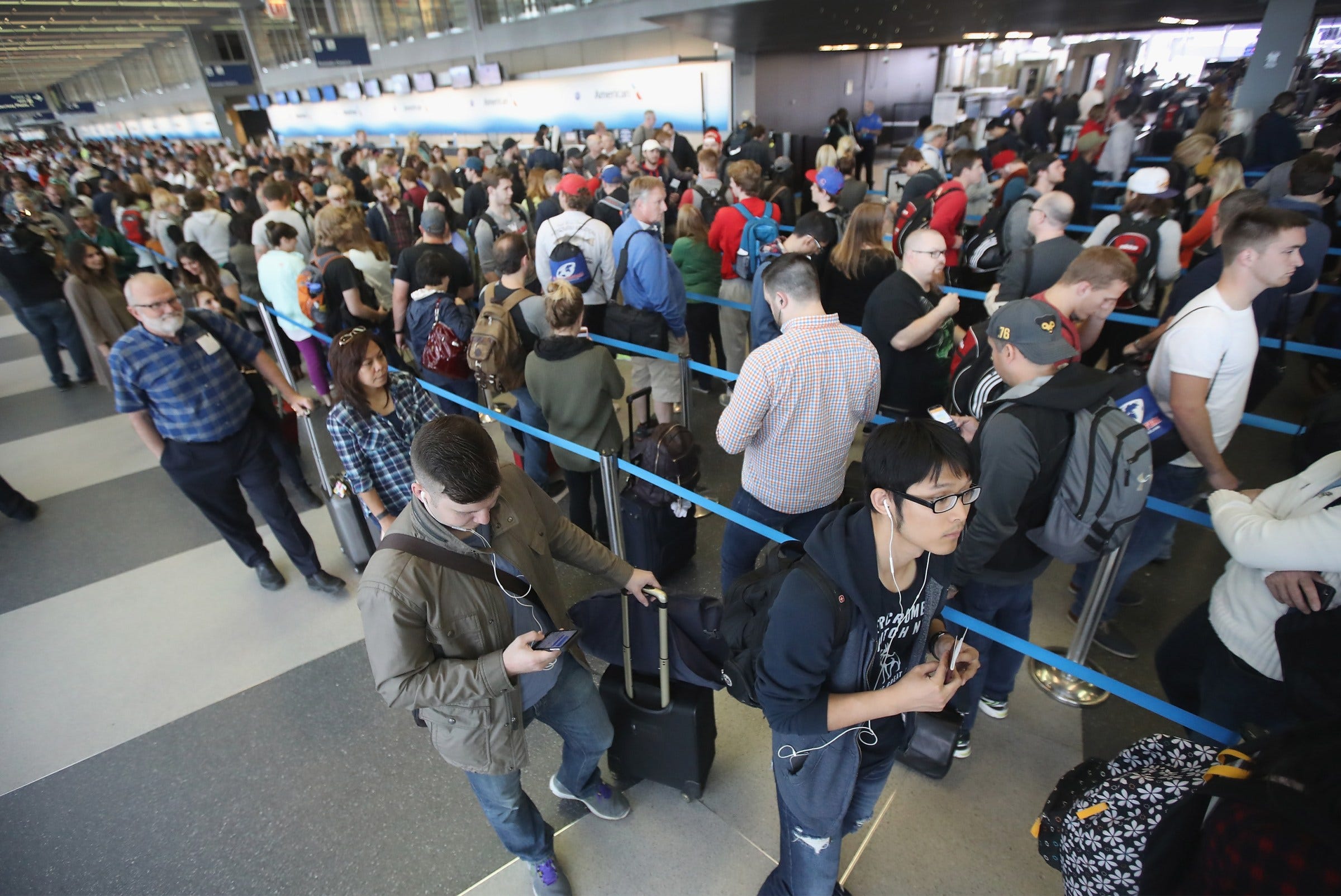
Why is there such prevalent surveillance in numerous European nations? For instance,
In Sweden, the use of license plate scanners has become standard in nearly all parking facilities, bridge tolls, and road tolls. Even if you don’t install an app or join a membership in any associated system, the scanners are still utilized to monitor entry and exit. In some situations, they even automatically access your home address to process bills without engaging with the driver. Even alternative payment methods, such as SMS, still rely on the scanner upon exit.
The only political party to address this issue was the pirate party 15 years ago, but it never gained significant traction in public discourse. Similar to paying with credit cards instead of cash, many view it as a convenience or just a part of modern life.
For further discussion, check out the comments here and here. What are your thoughts?
