Utah’s Homeless Campus: A Solution or a Misguided Approach?
Traveling west along Interstate 80, you descend from the majestic Rockies into Salt Lake City. As you navigate through the traffic, glimpses of the Mormon Church’s capital appear before you venture into the surrounding suburbs. Here, the landscape flattens, creating a vast expanse of salt flats, desert, and a few gleaming casino towns—518 miles (835 km) later, you arrive in Reno.
At the outset of this extended and lonely journey, Utah is making plans to create what is being referred to as a “homeless campus,” a term likely chosen over the less palatable “homeless gulag.” This initiative is intended to serve as a prototype for the Trump administration’s response to the pressing homelessness crisis affecting America.
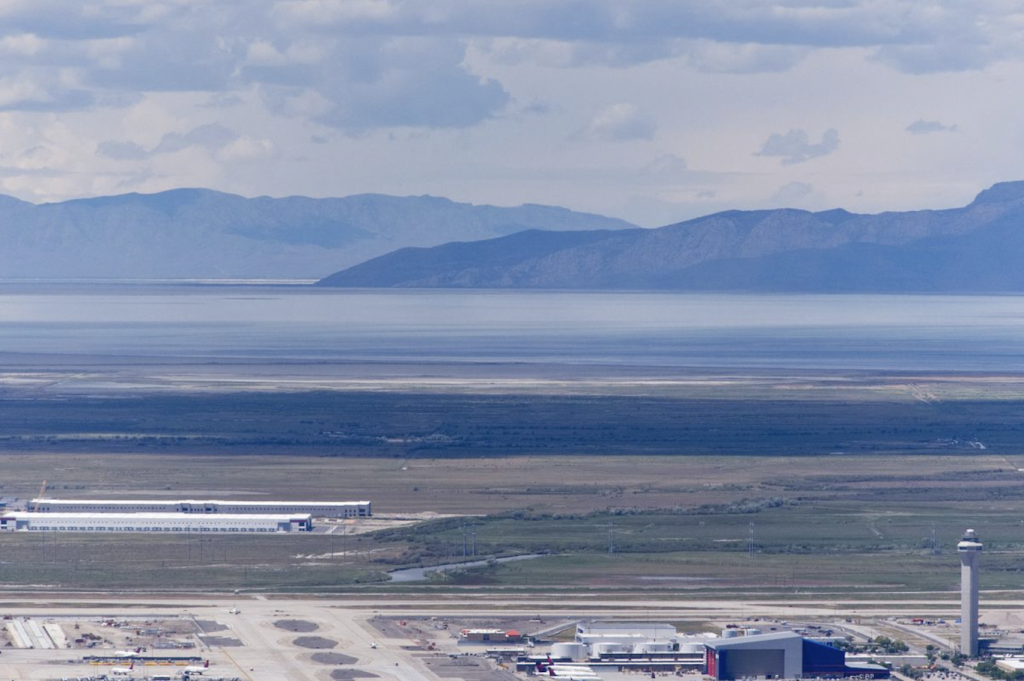
The Proposed Location for Utah’s Homeless Campus
Before delving into Utah’s vision, let’s briefly summarize the Trump administration’s approach to homelessness. Back in July, we discussed Trump’s executive order, and a concise overview is as follows:
- The executive order characterizes the homelessness crisis as mainly stemming from mental illness and drug addiction.
- Building on this premise, the plan advocates for civil commitment, or forced mental health and substance abuse treatment.
- Crucially, it overlooks significant contributors to homelessness, such as skyrocketing rents, stagnant wages, and a frail social safety net, while taking actions that exacerbate these issues.
How Does Utah’s Campus Align with This Vision?
The Utah Homeless Services Board recently expressed its intent to “coordinate with the White House” to become a leading model for the rest of the country in implementing a comprehensive, treatment-focused approach aimed at being dignified and effective. This vision translates to a vast 1,300-bed facility located on the outskirts of Salt Lake City, a site notably lacking public transportation. Slated for a 2027 launch, the center will feature over 300 beds for court-ordered civil commitments and additional accommodations for treatment “as an alternative to incarceration,” alongside sections dedicated to what the plan calls “work-conditioned housing.”
A Broader Perspective on the Issue
It’s important to note that Utah’s approach is not solely a product of the Trump administration’s ideology. The political landscape across the United States shows a concerning bipartisan consensus around the idea of displacing the vulnerable and gearing up for punitive measures. While Democrats historically have sidestepped the issue of homelessness, recent events, including a Supreme Court ruling permitting municipalities to ban camping in the absence of shelter space, have led to policies in blue states that often mirror Trump’s stance.
For instance, San Diego is facing legal challenges for forcing homeless individuals into unsafe tent camps under the threat of arrest, and San Francisco is developing plans akin to those promoted by Trump. Earlier this year, New Orleans detained over 100 homeless individuals in a warehouse out of public sight for the Super Bowl.
Utah’s plan, however, goes a step further by combining elements of a forced shelter, psychiatric hospital, and sobriety center.
The Need for Alternative Solutions
Given that the U.S. is increasingly reluctant—nay, determined—to inflict further harm on its citizens by addressing issues like low wages, high rents, and inadequate housing supply, facilities like the Utah campus may be viewed as necessary. In theory, it can provide critical assistance for those who refuse or are unable to leave the streets due to mental illness or substance addiction. Support facilities may offer much-needed relief; however, relying solely on such options without accompanying housing aid, rent control, or wage reforms poses serious risks.
Many individuals caught in this system are merely victims of failing economic policies. As Bill Tibbitts, deputy executive director of Crossroads Urban Center, states: “A senior citizen whose rent has skyrocketed beyond their means is unlikely to seek help in a quasi-correctional setting for housing solutions.” The rising population of homeless children raises another pressing question: will they also be labeled as mentally ill or addicted?
Concerns About the “Campus” Structure
Planners indicate that the “campus” will accommodate hundreds under court-ordered civil commitments, as well as establish an “accountability center” for individuals struggling with addiction. Randy Shumway, chairman of the state Homeless Services Board, clarified to the New York Times that this accountability center will not allow individuals to come and go freely, asserting that the campus aims to lead homeless individuals “towards human thriving.” While this is one potential outcome, there exists the risk that the facility could devolve into an exploitive nightmare.
Key Red Flags
- The Price Tag: Utah’s proposed $30.7 billion budget allocates $25 million for the homeless campus, but the projected total cost could exceed $75 million for construction and over $34 million annually for operations. The hope is for financial backing from the Trump administration and private investors.
- Private Investment: One must consider how investors intend to profit from this venture. The scenario could involve government price-gouging for healthcare services, among other possibilities. A shift in the homeless planning board from nonprofits to business leaders indicates a trend focused on profit over humanitarian care.
- Involuntary Treatment: Advocates label the facility a “secure residential placement facility,” where individuals might be mandated to stay. Unfortunately, research shows that coerced treatment is often ineffective, as evidenced by a recent study indicating coercive measures lead to prolonged hospital stays.
- Promises of Quality Care: The promise of quality healthcare is undermined by ongoing Medicaid cuts and the already lengthy wait times for essential services. The system is ill-equipped to provide the necessary care, rendering this plan inadequate.
Despite these challenges, backers of the Utah campus insist that this is the only viable solution, asserting that previous efforts have been inadequate. However, the reality is that very few comprehensive and effective strategies have been tested—what’s needed is to prevent more individuals from losing their homes. Currently, for every person who secures housing, two or three more are forced onto the streets.
Ultimately, rather than addressing systemic issues, discussions increasingly focus on personal blame, attributing homelessness to factors like mental health and substance use. Consequently, funding that could alleviate homelessness is diverted toward confinement instead of support.
In Utah, chronic underfunding has hollowed out affordable housing initiatives and essential services. As Evan Done, advocacy director of Utah Recovers, notes, the state lacks roughly 1,000 shelter beds to meet existing demand. Instead of fortifying these programs, state officials propose reallocating around $17 million in federal homelessness grants from community organizations to fund this campus.
Conclusion: The Need for Thoughtful Solutions
Shifting away from effective yet underfunded solutions reflects a troubling trend across the nation. Utah’s departure from “Housing First” policies is alarming, emphasizing accountability while disregarding the fundamental right to housing. While Trump’s executive order seeks to impose a “treatment first” model, the lack of provisions for job programs or housing assistance raises significant concerns. Evan Done aptly summarizes the situation: “What the state is attempting to do here is shift the blame from systemic failures to individual shortcomings, ignoring the lack of adequate services and support systems for those grappling with homelessness.” Addressing homelessness requires a holistic approach focused on prevention and support, rather than confinement and coercion.