Virginia’s Latest Energy Plan Announced
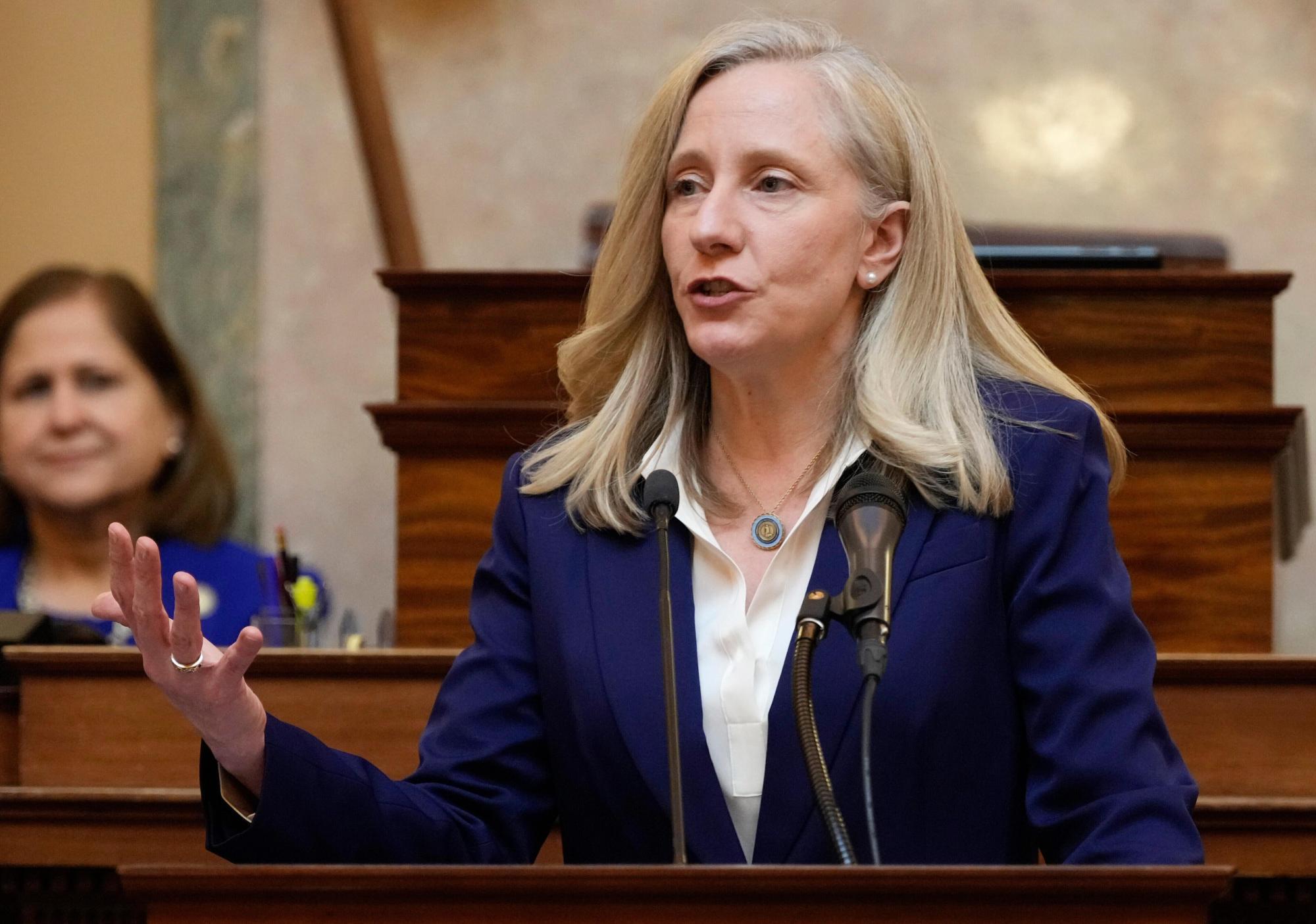
RICHMOND — Governor Abigail Spanberger unveiled Virginia’s latest energy plan on Thursday, outlining ambitious goals for the state’s energy future over the next decade. This plan aims to meet the state’s clean energy objectives while minimizing costs for consumers.
Key Components of the Plan:
- Multiple Pathways: Spanberger emphasized various scenarios that can help Virginia achieve net-zero emissions, adapting to market changes. Josephus Allmond, the state’s chief energy officer, remarked on the importance of these adaptable models.
- Strategies Proposed:
- Increased energy efficiency
- Enhanced solar energy utilization
- Expanded energy storage capacity
- Growth in grid capacity
- Advancements in nuclear and offshore wind energy
This approach contrasts sharply with former Governor Glenn Youngkin’s energy strategy, which sought to reassess the Virginia Clean Economy Act (VCEA) and eliminate clean-car standards. Under VCEA, energy providers like Dominion Energy aim for 100% renewable electricity by 2045.
Youngkin also withdrew Virginia from the Regional Greenhouse Gas Initiative (RGGI), but Spanberger reinstated the state’s participation earlier this year.
Modeling Outcomes:
The plan outlines several scenarios, one of which suggests that maintaining VCEA and RGGI intact—with moderate energy demand growth—would necessitate tripling the state’s load capacity by 2050. Alternatively, a withdrawal from these commitments could lead to a dramatic increase in emissions, with projections showing levels exceeding those from 2005 and requiring the construction of multiple large-scale pipelines.
Spanberger highlighted that abandoning clean energy regulations would likely result in around $145 billion in health-related costs for Virginians.
Addressing Data Centers:
The plan presents models incorporating technologies like customer-cited solar and measures for data centers to reduce electricity use during peak demand. However, it refrains from imposing limits on data center growth, which could incur significant costs.
Blair St. Ledger-Olson from the Virginia League of Conservation Voters criticized the previous administration for hindrances to clean energy progress and urged for greater accountability from data center developers.
Opposition from Republicans:
Republican leaders argue that Spanberger’s plan underscores the need to abandon VCEA and RGGI. House Minority Leader Terry Kilgore claimed that adhering to their metrics could lead to savings of around $100 billion, asserting that social costs shouldn’t burden power bills.
For further details, refer to the full plan here.


