Southern Utah University (SUU) has been chosen to lead a new NASA aerospace workforce hub, receiving a $10.5 million investment to enhance skilled technical workforce training in Utah. This initiative aims to connect thousands of students with careers in aerospace-related fields like welding, machining, and advanced manufacturing.
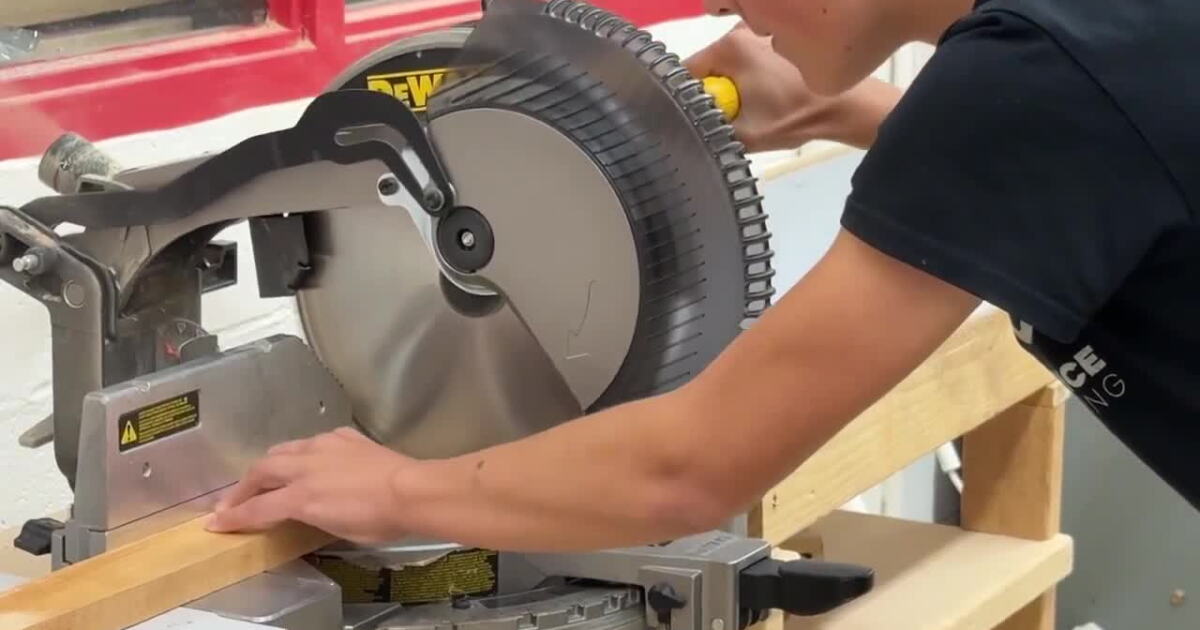
High schools, such as Manti High School, are already teaching relevant trade skills. Students like Cole Osborn are excited about potential careers in welding and electrical work, seeing a clear link between their education and future opportunities in the aerospace industry.
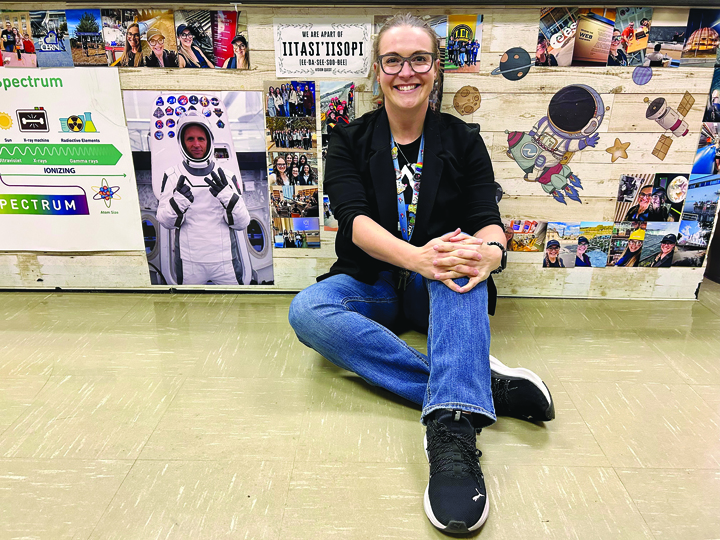
Melinda Pfundstein, SUU’s executive director of Community and Workforce Development, emphasizes that this initiative seeks to broaden students’ understanding of careers in aerospace, encouraging them to think beyond the traditional roles of astronauts to consider positions that contribute directly to space missions, such as fabricating parts and components.
The statewide hub, called Utah NAS_Hub, will involve collaborations with various educational institutions and industry partners, creating a comprehensive pipeline to train and place skilled workers in the aerospace sector. Teachers at Manti High, like Dean Olson and Michael Kilmer, express excitement about the renewed focus on manufacturing and trades, reflecting a growing acknowledgment of their importance in today’s economy.
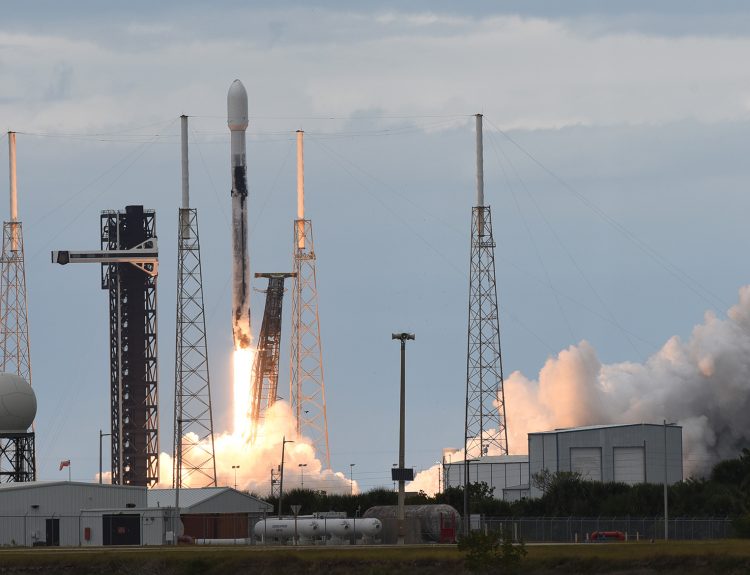
Overall, this initiative provides a unique opportunity for rural students to envision career paths in aerospace, highlighting that their skills can lead to significant roles in launching spacecraft and supporting space exploration.