Analysis of Recent Geopolitical Developments Under Trump
As we enter 2026, the geopolitical landscape has shifted dramatically, with former President Trump implementing strategies reminiscent of his early presidential actions. A particularly bold move involves his controversial seizure of Venezuelan President Maduro and his wife Celia Flores, setting the stage for an audacious attempt to monopolize Venezuelan oil. This article delves into these developments, exploring the implications of controlling oil sales, capturing vessels, and the potential fallout from these actions.
Controlling Venezuelan Oil
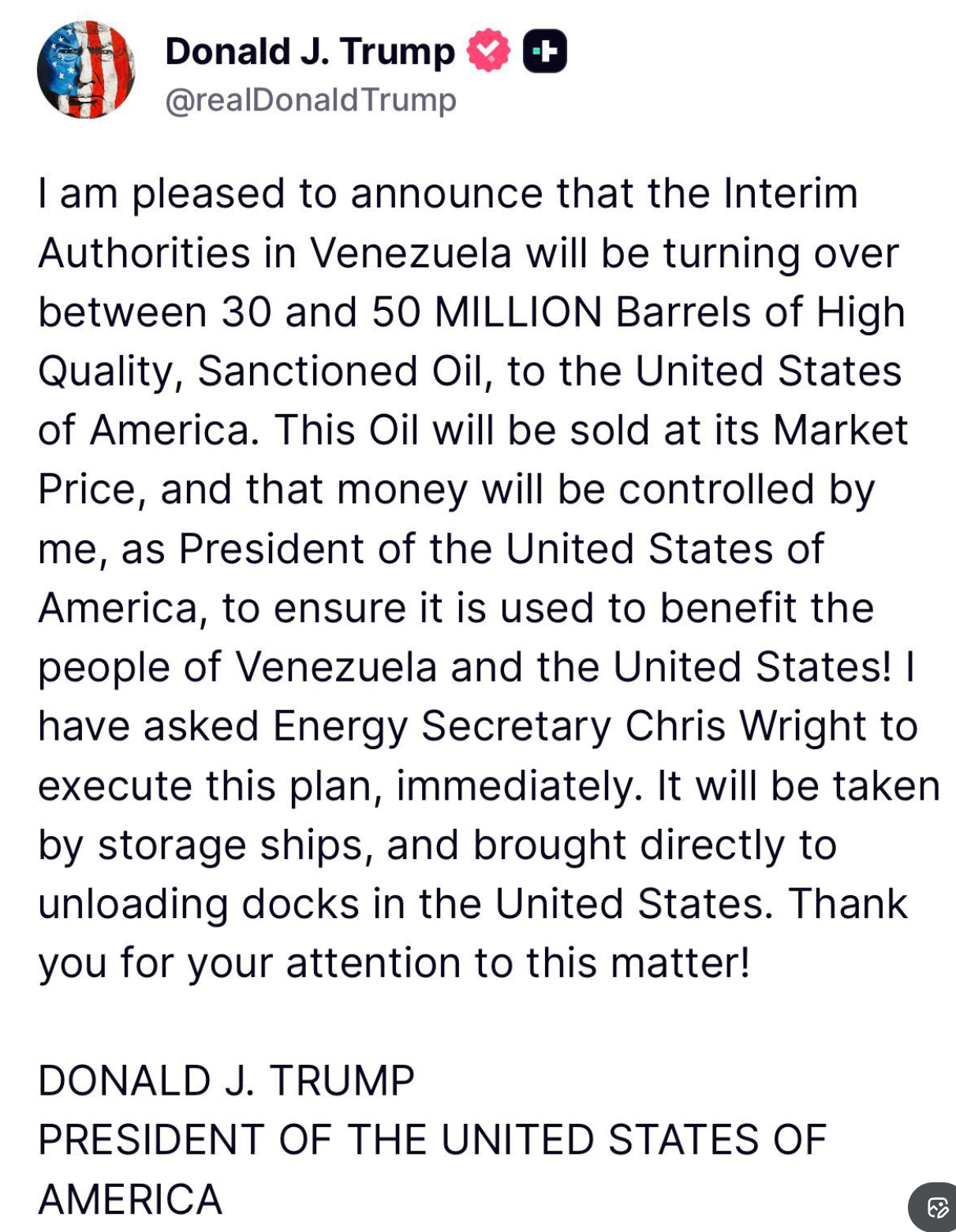
The Trump administration has declared plans to indefinitely control Venezuela’s oil revenues, aiming to manipulate the country’s actions in favor of American interests. Energy Secretary Wright announced that the U.S. will first market stored Venezuelan oil and subsequently manage future production, depositing profits into U.S.-controlled accounts. Trump has further stipulated that Venezuela will only purchase “American-made” goods using the proceeds from this oil deal.
Official Statements
Press Secretary Karoline Leavitt confirmed that the administration is closely coordinating with Venezuela’s interim authorities, emphasizing that their decisions will align with U.S. directives. However, reports suggest that Venezuela is not compliant with these demands. The state-run oil company, Petróleos de Venezuela, has indicated it is negotiating oil sales under commercial terms, akin to agreements with international firms like Chevron.
Effects on International Relations
Among the significant demands from the Trump administration is the expulsion of representatives from nations such as China, Russia, Iran, and Cuba, alongside a severance of economic ties with these countries before Venezuela can increase oil production. This approach may provoke further resistance from Venezuela.
The Legal and Practical Challenges
The situation raises questions about possession and legal authority regarding Venezuelan oil. Chevron, for instance, has publicly declared its concern for the safety of its employees in Venezuela and the ramifications of violating agreements with the Venezuelan government. Additionally, the successful export of oil hinges on cooperation from dock workers and other staff within Venezuela.
The Capture of Tankers
In a further escalation, the U.S. has captured two tankers, including the reflagged Bella-1, now known as the Marinera, and the M/T Sophia, which was reportedly en route to China. Press Secretary Leavitt stated that the Russian crew members of the Marinera will face prosecution. Furthermore, Senator Lindsey Graham announced that Trump is poised to endorse the “maximum pressure” sanctions against countries purchasing Russian oil.
Domestic Violence and Controversies
On the domestic front, Trump is also defending the actions of ICE regarding the tragic death of Minneapolis poet Renee Good, who was shot and denied medical aid. This incident has sparked significant local outrage and criticism of law enforcement practices.
Congressional Backlash
Many Democrats in Congress have swiftly condemned Trump’s claim of dominion over Venezuelan oil proceeds, arguing that he lacks constitutional authority to do so. Senator Chris Van Hollen stressed that the president cannot simply seize Venezuela’s oil for personal gain.
International Law and Responses
Internationally, the capture of the Marinera tanker raises significant legal questions, including potential violations of maritime law as asserted by Russia, which claims that the U.S. breached the UN Convention on the Law of the Sea. The U.S. has announced plans to prosecute the crew for violations of federal laws regarding the tanker.
Implications for Future Sanctions
Graham’s bipartisan sanctions initiative is aimed at severely affecting Russia’s economy, particularly concerning its oil exports. Trump’s position regarding potential secondary sanctions against nations like China and India is risky and may have extensive repercussions for international relations.
Global Energy Dynamics and Reactions
Amid these developments, the European Union continues to import Russian LNG despite pledges to curtail such practices. The dynamics between the U.S. and Europe regarding energy sourcing remain complicated, especially with the EU’s reliance on Russian gas.
As the geopolitical chess game unfolds, former President Trump’s maneuvers signal a contentious year ahead. The potential impact of these actions on both domestic and international stages warrants close scrutiny. The global community watches with bated breath, assessing how far Trump’s administration will push boundaries in pursuit of its agenda.
Conclusion
The situation in Venezuela and the broader geopolitical implications of Trump’s decisions illustrate a landscape fraught with tension. As international law, domestic policies, and global energy dynamics converge, the consequences of these bold actions will resonate throughout the region and beyond. The world awaits to see how these developments will play out in the coming months.


