Tequila, once relegated to being just a party shot complemented by lime and salt, is now experiencing a renaissance. As the fastest-growing category of spirits globally, it is witnessing the emergence of high-quality, premium products that appeal to sophisticated palates. Many of these tequilas boast complex aromas and flavors that rival fine Scotch whisky and Cognac, inviting enthusiasts to sip and savor rather than simply shoot.
To highlight some of the finest examples, we sought the expertise of agave spirits connoisseur Zalorén González, who has curated a list of exceptional tequilas designed for true appreciation.
ArteNOM | 1414 Reposado
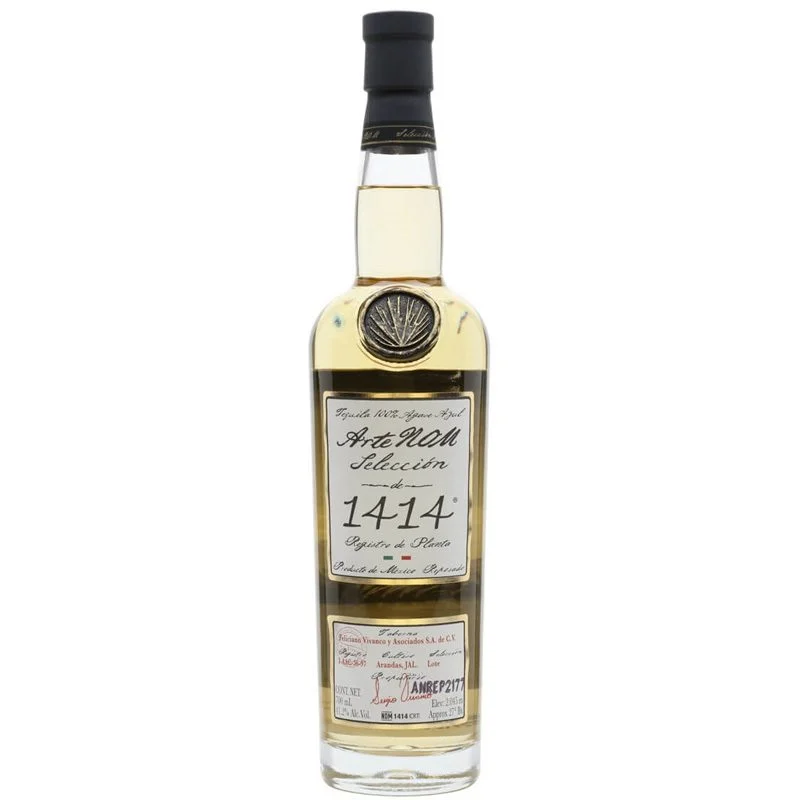
ArteNOM is a meticulous creation, crafted by the Vivanco family in Arandas, Jalisco, who have been agave farmers since the 1920s. This reposado tequila is unique due to its fermentation process using wild yeast in open-topped vats, resulting in a distinctive flavor profile. The number on the label signifies the individuals involved in its creation.
Matured in ex-bourbon American oak barrels, this tequila showcases a complex array of flavors, including butterscotch, caramel, vanilla, and cinnamon spice, accompanied by floral honey, oak, and a piquant pepper finish. A subtle hint of bread dough and yeast lends further complexity.
Fortaleza | Still Strength
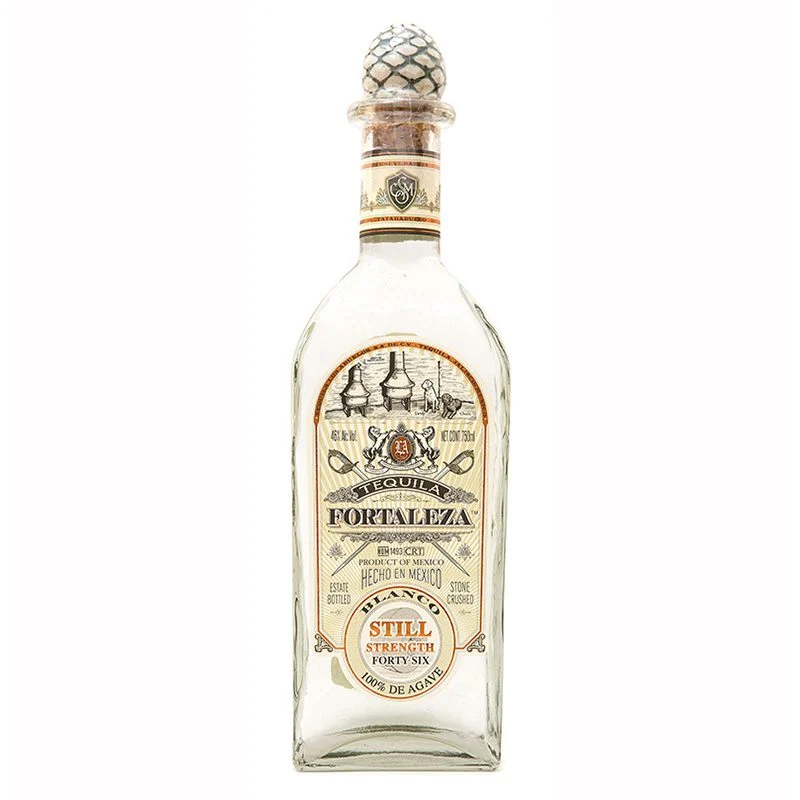
Founded by Enrico Sauza, former owner of the renowned Sauza tequila brand, Fortaleza aims to revive traditional tequila-making methods. This includes cooking the agave piña in small brick ovens and using a tahona—a stone wheel—to extract juice, all while distilling in copper pot stills.
This blanco tequila retains its freshly distilled essence, offering an abundance of ripe agave flavor. It reveals tropical fruit, white pepper, and dried grass, presenting a truly authentic experience. Fortaleza Still Strength is a highly sought-after brand, making it a must-find for tequila aficionados.
Pancho Datos | Reposado
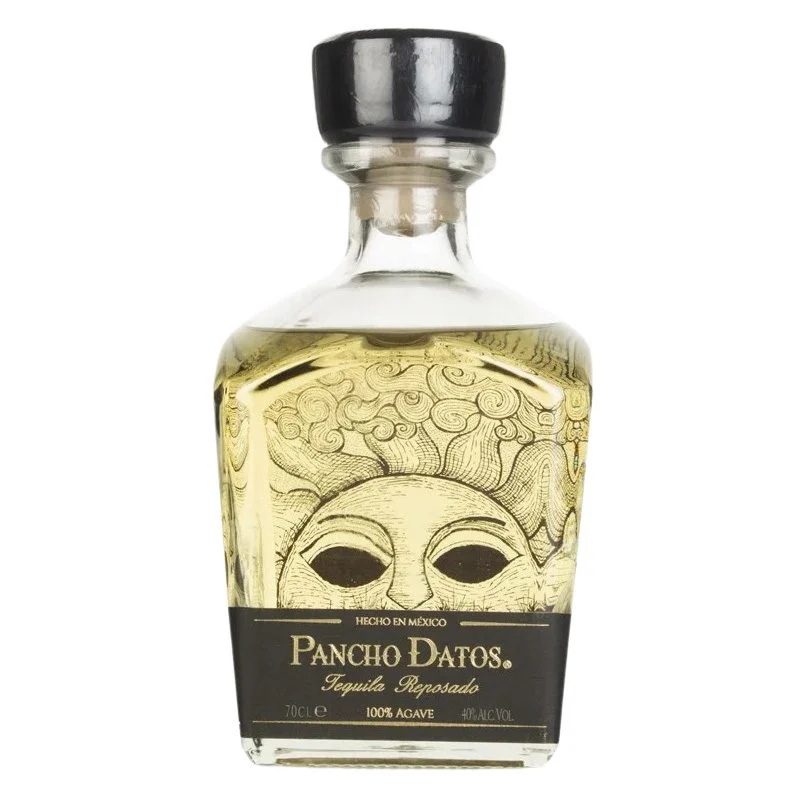
Crafted from 100% Blue Weber agave, Pancho Datos Reposado is intended for savoring. Founded by Luis Carlos Grijalva, this family business honors the legacy of his grandfather, the poet Ricardo Grijalva de Leon, who wrote beloved poems about a character named Pancho, intertwined with the Mexican Revolution.
This tequila has been aged for 10 months in American white oak barrels sourced from the bourbon industry in Kentucky. Its earthy and smooth profile exudes a gentle sweetness accentuated by notes of vanilla, caramel, and white chocolate, complemented by a dash of peppery spice. This is a drink designed for relaxation and enjoyment.
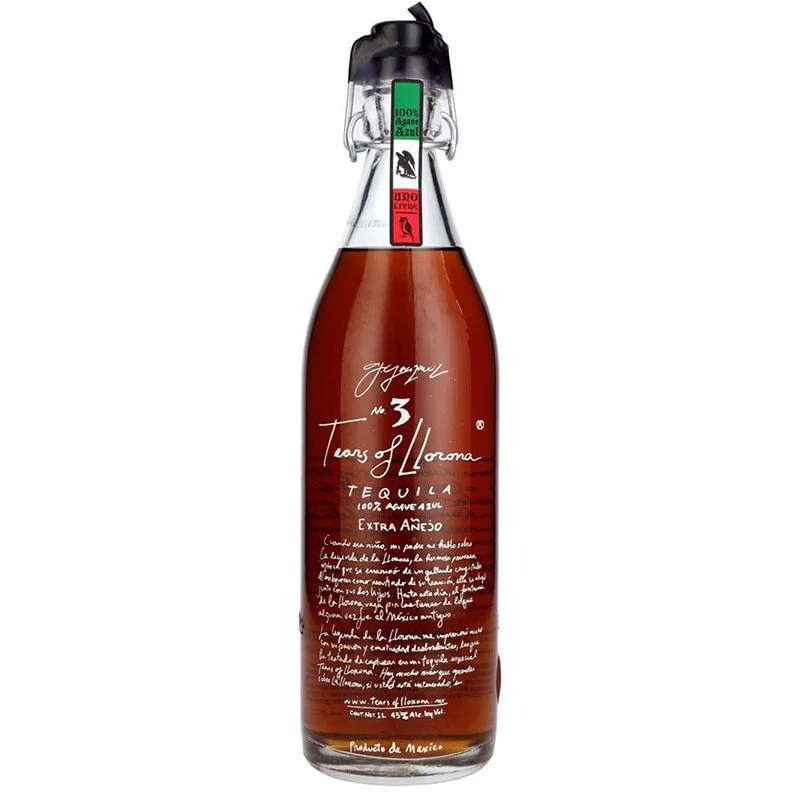
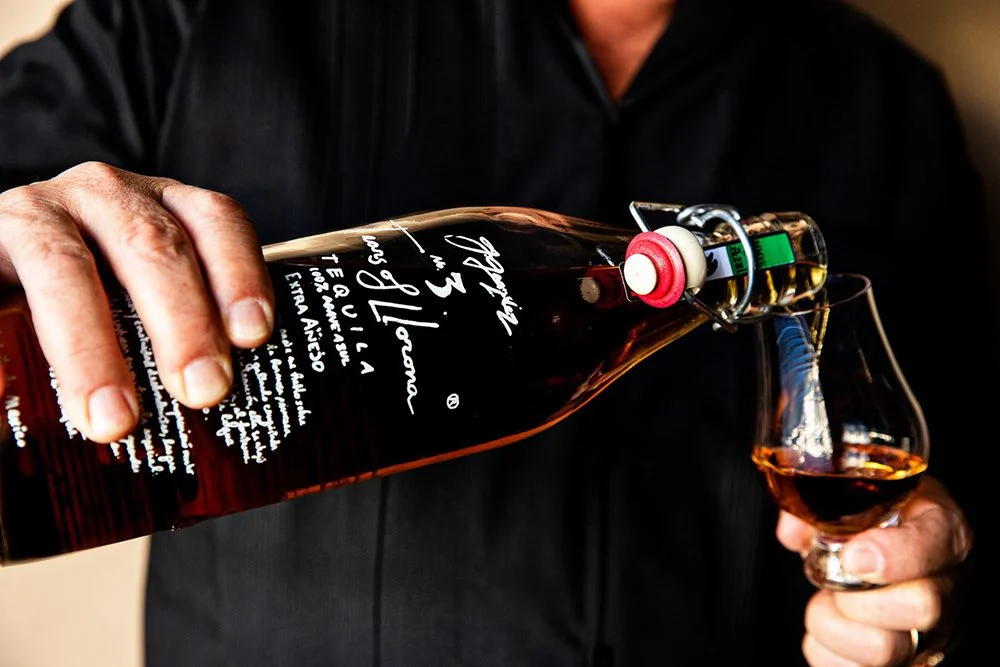
Created by Germán González, Tears of Llorona Extra Añejo was one of the first tequilas crafted specifically for sipping, akin to fine whisky or Cognac. This exquisite spirit is made from 100% Blue Weber agave cultivated on the volcanic slopes of the Jalisco highlands and aged for five years in three different types of barrels: Scotch whisky, brandy, and sherry.
This rich and multilayered tequila boasts an agave-forward character elegantly complemented by the influences of the various oak barrels. Expect flavors of dark chocolate, dried fruits, and caramel intertwined with subtle woody spices. It’s no surprise that this tequila regularly garners prestigious global awards.
Buy now at The Whisky Exchange
Volcan | Blanco Tahona
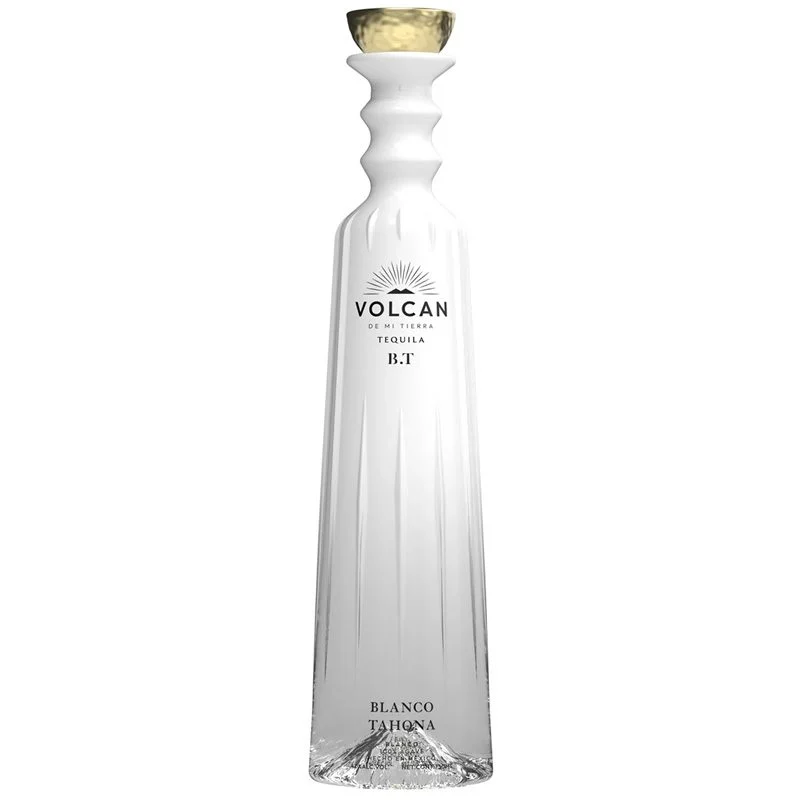
Volcan De Mi Tierra employs time-honored techniques in its tequila production, such as cooking the agave in clay ovens and crushing it using a volcanic stone tahona. Featuring open-top fermentation, this distillery pays homage to a local volcano.
Blanco Tahona stands out in the super-premium category, offering a vibrant, unaged experience. Its packaging is as striking as the tequila itself, and the drink presents a delightful balance of earthy and dusty spices with delicious sweetness, alongside herbal and mineral notes.
—
What is tequila?
Tequila is crafted from blue agave, particularly the heart of this succulent plant, known as the piña. The production process involves roasting the piña to convert its compounds into fermentable sugars, followed by fermentation and distillation. Like Champagne and Cognac, tequila possesses a designated geographical recognition (DOT—Denomination of Origin for Tequila).
Strict regulations dictate that tequila must be produced in Mexico’s Bajio region, specifically in Jalisco and its neighboring states—Nayarit, Guanajuato, Michoacán, and Tamaulipas. Only products created in these areas can bear the name tequila.
Tequila comes in various styles, including blanco (unaged or aged for up to two months), reposado (rested in oak for two months to one year), añejo (aged one to three years), and extra añejo (aged for three years or more).
Historically, the indigenous peoples of Mexico consumed a drink called pulque, made from fermented sap of the agave heart during celebrations. While pulque’s production process differs from that of tequila, it laid the groundwork for agave spirits in the region.
Interestingly, the Bajio region was once governed by the Kingdom of Galicia instead of Spain. When the locals petitioned the Pope for permission to produce ‘vino mezcal’ (meant as distilled spirit, not wine), they emphasized its necessity for survival.
By the late 1700s, regulations mandated that vino mezcal only be produced by indigenous families, prompting intermarriage with these communities to maintain control over production and sales. This shift centered around the town of Tequila, which eventually lent its name to this iconic spirit.