In today’s automotive landscape, the decline in sports car sales is becoming increasingly evident, driven by stricter regulations, rising costs, and a growing preference for SUVs. While some models still capture attention, many manufacturers are pivoting towards electric vehicles (EVs), leaving the traditional sports car behind. Nevertheless, there are still remarkable petrol-powered sports cars that capture the essence of driving joy yet may not see a new generational successor. Some have made a significant impact on the industry, shaping the future of sports cars, while others have entered the market briefly, leaving their mark.
Before they bid farewell, here are five sports cars we will genuinely miss when they disappear—if they aren’t gone already…
Porsche 718 Cayman
Many enthusiasts regard the Porsche 718 Cayman as the quintessential sports car. Positioned beneath the iconic 911, this mid-engined model offers a combination of performance and accessibility. Although it comes with less power and slightly less precision, its balanced chassis and engaging powertrains elevate it well above expectations.
Launched shortly after the second-generation Boxster, the Cayman quickly proved its worth as one of the most exhilarating sports cars available. It embodies Porsche’s finest elements in a compact, well-crafted package. The later iterations, such as the 718 Cayman GTS 4.0 and GT4, refined its original formula, giving it the edge many enthusiasts desired. However, Porsche has always been cautious not to overshadow the rear-engine 911 with this brilliant coupe.
Despite its excellence, Porsche envisions a future without petrol-powered Caymans, although plans for an electric version are in the works.
Alpine A110
France brought its own automotive magic with the Alpine A110, a groundbreaking sports car that stands apart from the typical offerings from Germany or the UK. Since its resurgence in the mid-2010s, Alpine has demonstrated that its new model was not merely a nostalgic revival; it was a fresh take on sports car design.
Engineered to be meticulously lightweight, the A110 utilizes extensive aluminium construction, offering ample space for two passengers and a surprising amount of luggage. While the cabin remains minimalistic, it features elegantly crafted Sabelt bucket seats, and it’s really the driving experience that captures the soul of this car.
With its surprisingly compliant suspension setup, the A110 navigates uneven roads as if they don’t exist, showcasing its low weight to minimize disruption. The engine delivers a delightful performance, complemented by a dual-clutch transmission that, while not as refined as Porsche’s PDK, pairs well with the eager engine. Although Alpine plans to unveil a new A110, it will also shift to an electric format, losing its core identity of lightweight engineering.
Audi TT
The Audi TT, while more of a design icon than a pure sports car, faces the end of its era as Audi transitions to electric vehicles. Over its three generations, the TT began with a striking design that made waves at the turn of the century, setting a high bar for subsequent iterations. Although the later models, particularly the third generation, lacked the original’s revolutionary impact, they still delivered an enjoyable driving experience.
Built on VW’s flexible MQB platform, the third-generation TT managed to strike a balance of weight savings and simplicity that resulted in engaging performance. Additionally, its sophisticated cabin design lived up to the TT name. However, with Audi focusing its resources on developing new electric models, the TT has been retired, and a replacement is not currently on the horizon.
While there could be a future for the TT name, we may see it evolve into something quite different, likely veering away from the two-door format we know and love.
Lotus Emira
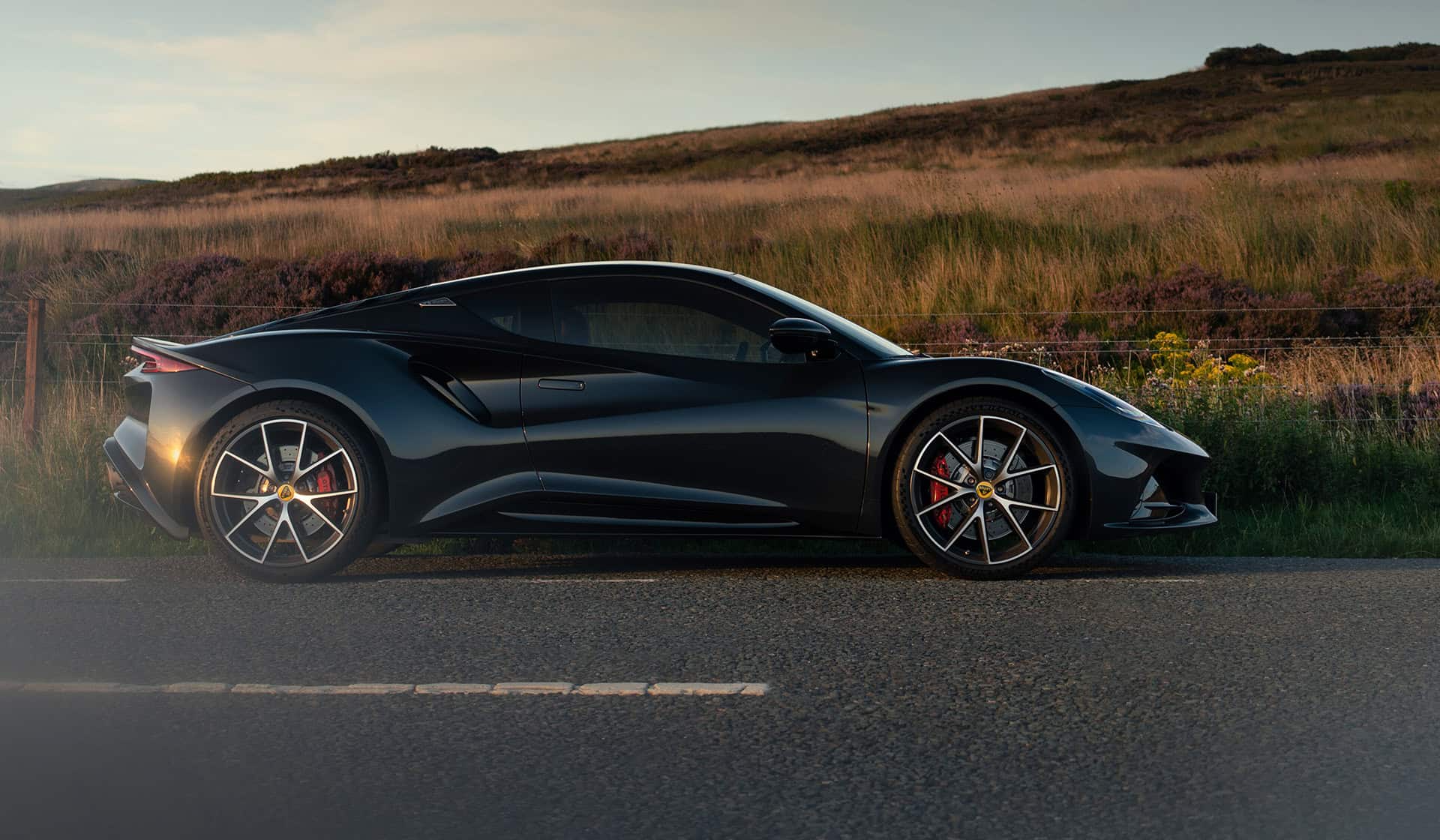
Lotus has long been synonymous with the essence of sports cars, and the Emira is no exception. This model, which debuted in 2020, has encountered a challenging journey. Redeveloped from the ground up, the Emira represents the company’s ambition to redefine its legacy.
The complexity of accommodating two distinct engine options and multiple transmission choices contributed to its somewhat tumultuous production history. The initial offering featured a supercharged V6 with a six-speed manual, while plans included an eight-speed automatic and a turbocharged four-cylinder with dual-clutch capabilities. However, logistical issues have hampered production, causing delays.
Though Lotus has not completely halted Emira production, its future remains uncertain, particularly as plans to electrify its lineup emerge. Whether the Emira will return in an electric format is yet to be seen.
BMW Z4
Last but not least is the iconic BMW Z4, a model that has been a mainstay since the introduction of the Z3 in the mid-90s. Despite strong sales through the years, the latest Z4 model faced declining demand, leading to a collaborative development with Toyota and assembly by third-party manufacturer Magna Steyr in Austria.
While this does not diminish the quality of the last Z4, it lacks some of the variety that characterized earlier, more celebrated versions like the M Coupe. Currently, the Z4 lineup offers one four-cylinder and one six-cylinder variant, each with an eight-speed automatic transmission and similar styling features.
As a parting gift, BMW introduced a ‘Handschalter package’ for the flagship M40i model, swapping the automatic transmission for a six-speed manual gearbox. This, alongside refined suspension and chassis tweaks, elevates the driving experience. It allows BMW enthusiasts to stay connected to the brand while the company redirects its efforts toward electric and SUV models designed for a new era.