The global automotive landscape is undergoing a significant transformation, with China emerging as a key player, particularly in the electric vehicle (EV) sector. While the buzz surrounding this phenomenon may seem excessive, there is truth to the assertion that established carmakers should pay attention. It’s wise to approach the excitement with some skepticism, yet the capabilities of several new Chinese brands cannot be dismissed. With their impressive innovations, a selection of these electric vehicles is poised to make a substantial impact on the market, signaling a shift in the industry.
Currently, many of the most remarkable Chinese EVs are yet to arrive in Europe, as manufacturers retain their flagship models for domestic consumers. However, this will soon change. Below, we explore five standout Chinese electric cars you may not yet know about, along with an honourable mention that has already captured significant attention.
Xiaomi SU7 Ultra
When tech giant Xiaomi announced its foray into the automotive industry, the response was tepid, given the failed attempts of other influential brands like Apple and Dyson. Nevertheless, Xiaomi pressed on, and its debut model, the SU7, made a notable splash upon release.
Developed in collaboration with battery powerhouse CATL, this four-door electric sedan quickly attracted attention. Drawing inspiration from Tesla’s approach—fast, minimalist, and software-driven—it also prioritized refinement, handling, and construction quality. Xiaomi aimed the SU7 not just at tech enthusiasts but also at those who genuinely appreciate the driving experience.
Following that, the SU7 Ultra emerged—a high-performance variant shattering the Porsche Taycan’s Nürburgring lap record. With an astounding 1,527 horsepower, a top speed of 217 mph, and a 0-62 mph time of under two seconds, this car is blazingly quick. It also offers a comfortable ride and exemplifies robust engineering. With plans for a European launch in the next two years, industry veterans should be taking serious notes.
Nio ET9
While Xiaomi burst onto the market rapidly, Nio adopted a more meticulous approach that has proven equally remarkable. Nio was among the first Chinese brands to blend consumer electronics precision with luxury automotive design, laying the groundwork for a new class of premium electric vehicles.
The company’s vehicles are sleek, minimalist, and tech-savvy, focusing on sophistication and restraint. Although Nio has seen modest sales since its European debut, its ET9 model, designed exclusively for the Chinese market thus far, stands out. This fastback rivals the Mercedes S-Class and is loaded with technology at a far lower price point.
The ET9 features fully active suspension, rear-wheel steering, and Nio’s unique battery-swapping system, allowing for rapid recharging in mere minutes. Moreover, Nio leads in LiDAR-assisted autonomous driving technology, an area where Western manufacturers are still playing catch-up. The ET9 embodies why Chinese EVs are shifting perceptions from being a punchline to a serious competitor.
Li Auto Mega
Can a van be innovative and aspirational? In China, the answer is a resounding yes, as demonstrated by the Li Auto Mega. This vehicle redefines the traditional people carrier, positioning itself as a luxurious “private jet on wheels.” It’s enormous, futuristic, and impressively fast, accelerating from 0 to 60 mph in just about four seconds.
Inside, adaptability reigns supreme. This multi-purpose vehicle can function as a premium chauffeured shuttle or the ultimate family car, boasting entertainment screens and ample legroom. Its minimalist design is complemented by brilliant features: expansive digital displays and a glass-filled cabin infused with natural light, alongside seats that provide warmth, cooling, massage, and a relaxing zero-gravity mode.
Despite its large size, the Mega boasts exceptional aerodynamics, making it surprisingly efficient. This bold concept of luxury travel in the EV era blends elements of space travel and a penthouse suite, illustrating how Chinese brands are reshaping categories long overlooked by Western automakers.
Avatr 11
Emerging as one of the most intriguing new brands, Avatr is backed by the Changan conglomerate and features design leadership from an ex-BMW designer. Positioned in the premium segment, Avatr excels in bold aesthetic choices, showcasing striking lines and audacious proportions.
The Avatr 11 (pronounced “one-one”) is a large luxury fastback aimed at competing with the Mercedes S-Class and Lucid Air. Its daring design eliminates the rear window, complemented by a panoramic windscreen that extends over the roof, all while the spacious interior evokes a futuristic ambiance.
Inside, the Avatr 11 is equally distinctive, featuring a minimalist dashboard embedded in sweeping forms, with ambient lighting that feels both dramatic and sophisticated. While it may not boast the extreme performance of competitors like Xiaomi or BYD, in terms of design, it stands unrivaled, showcasing China’s potential to assert its own stylistic identity.
Denza D9
Denza serves as the luxurious arm of BYD, a brand that has quietly risen to become the world’s largest EV manufacturer. Originating as a battery manufacturer over four decades ago, BYD’s extensive technical expertise undergirds everything it produces. Similar to how Lexus enhances Toyota’s offerings, Denza aims to infuse luxury into BYD’s engineering prowess.
The D9 exemplifies this vision as a full-size MPV equipped with innovative features, including rear-wheel steering, adaptive damping, and a torque-vectoring system that directs power to individual wheels for precise low-speed control.
With an interior designed for opulence, Denza pushes the boundaries of comfort, integrating electric adjustments for nearly every surface—from heated armrests to power-operated window blinds. This meticulous attention to detail illustrates China’s advancing capabilities in craftsmanship, with interior quality evolving from a previous weakness into one of its greatest strengths.
Xpeng P7
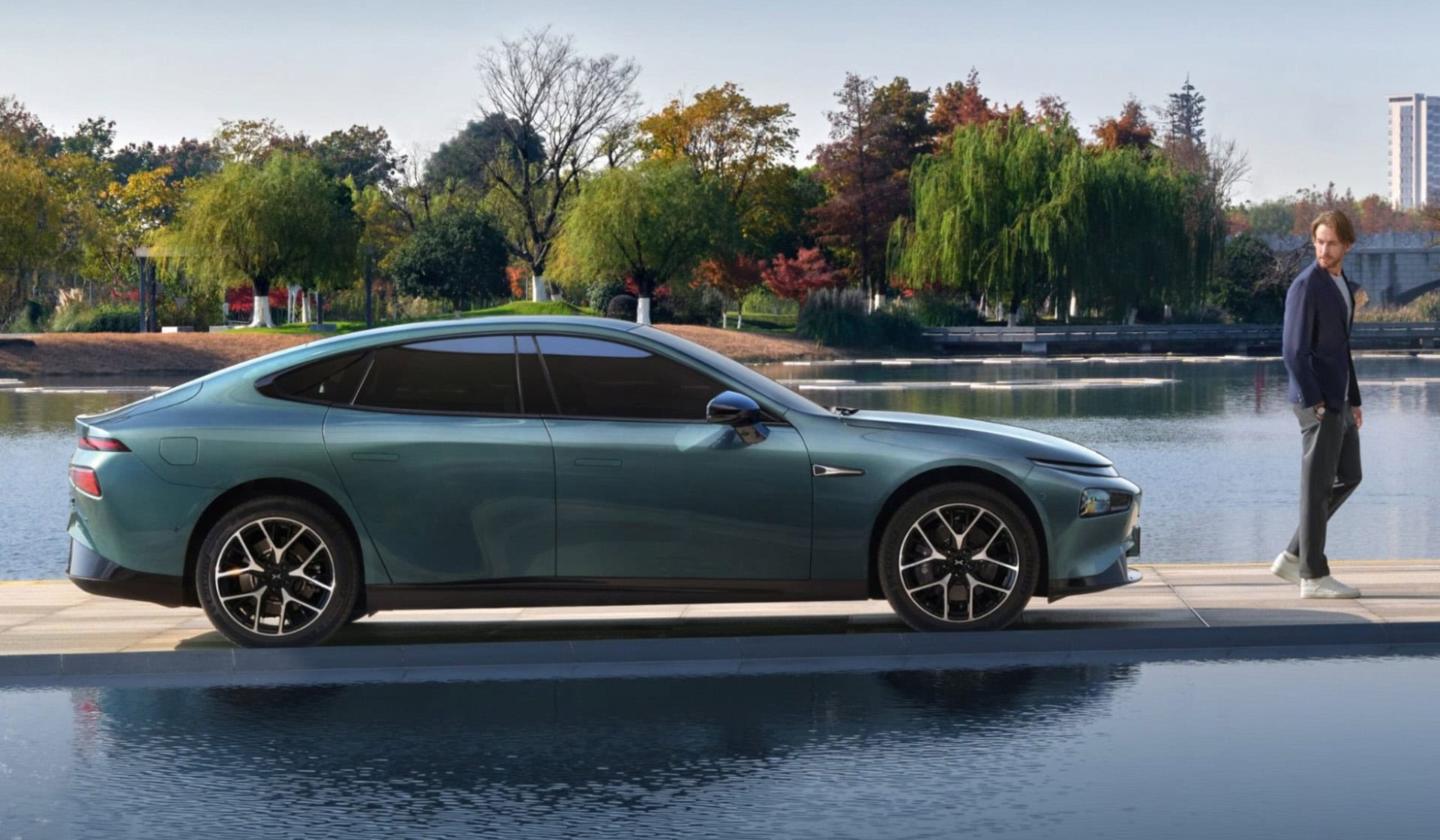
While many Chinese EVs pursue extreme speed and excessive technology, the Xpeng P7 takes a more balanced approach. Comparable in size to the Porsche Taycan, this model emphasizes driver connection and a more refined driving experience—qualities that were often overlooked in earlier Chinese vehicles.
Engineers with European experience oversaw the P7’s chassis tuning, which is evident in its sharp steering, composed suspension, and genuinely sophisticated ride quality. The design is refreshingly understated, showcasing a sleek silhouette reminiscent of classic grand tourers like the Rover Vitesse or Ferrari Daytona.
Inside, the P7 maintains a clean, tech-driven aesthetic that doesn’t sacrifice warmth; Xpeng successfully imparts a sense of character into the EV experience—a feat that even some established brands are still striving to achieve.
Honourable Mention: Xiaomi YU7
If the SU7 demonstrated Xiaomi’s potential as a car manufacturer, the YU7 signifies its ambition to create a formidable automotive empire. This SUV variant of the successful SU7 encapsulates all the original model’s strengths while offering a more stylish, family-oriented design.
The YU7 has become an immediate hit in China, with waiting lists extending for years. Although its design may reflect familiar themes, even borrowing elements from the Ferrari Purosangue and McLaren, customers seem unfazed. It combines speed, luxury, and modern taste seamlessly.
As Xiaomi moves forward with plans for European expansion, expect the YU7 to emerge as one of its flagship offerings. The arrival of these innovative vehicles is no longer a question of ‘if,’ but ‘when’—and with the rapid evolution of Chinese manufacturers, that timeframe appears to be sooner than anticipated.