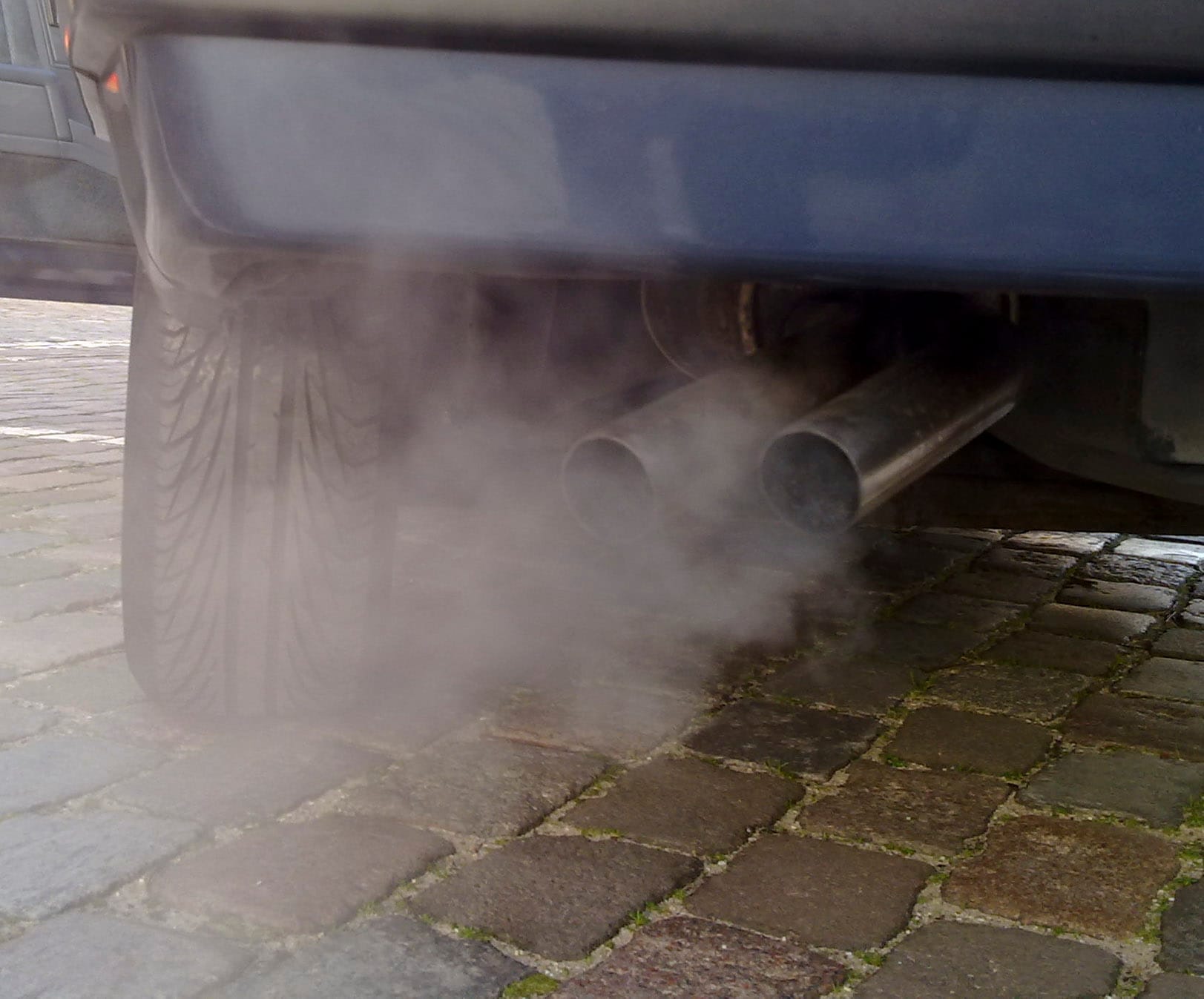
France and Germany are negotiating a potential compromise regarding the future of Europe’s automotive industry by linking EU vehicle emission rules with a dispute over preferences for European-made products in subsidies and public procurement.
The talks address Germany’s desire for more flexible emission standards for combustion-engine vehicles and France’s push for stronger “Made in Europe” requirements. Although a broader agreement seems feasible, significant differences exist over the definition of “European content” and the treatment of products from countries with EU free-trade agreements.
In December 2025, the EU proposed significant changes to the original plan, now requiring only a 90% reduction in tailpipe CO₂ emissions by 2035, with the remaining 10% able to be offset through low-carbon steel and e-fuels. Germany has advocated for a technology-neutral strategy to allow combustion engines using low-carbon fuels, while France prioritizes support for products manufactured within the EU.
The debate on what “European” means is central, with France favoring a strict definition focused on production within the EU and Germany suggesting a broader “Made with Europe” approach that includes close trading partners. Spain is seeking a compromise.
The complexity arises from modern automotive supply chains that extend beyond the EU, including significant ties with the UK and Turkey, amid fears regarding over-reliance on Chinese suppliers. The EU has initiated a €1.8 billion Battery Booster strategy to strengthen its battery value chain in light of a growing demand for electric vehicles.
Ultimately, while a Franco-German agreement could facilitate negotiations, the final decisions will involve the European Parliament and other member states, impacting investment strategies across the automotive sector for years to come.

